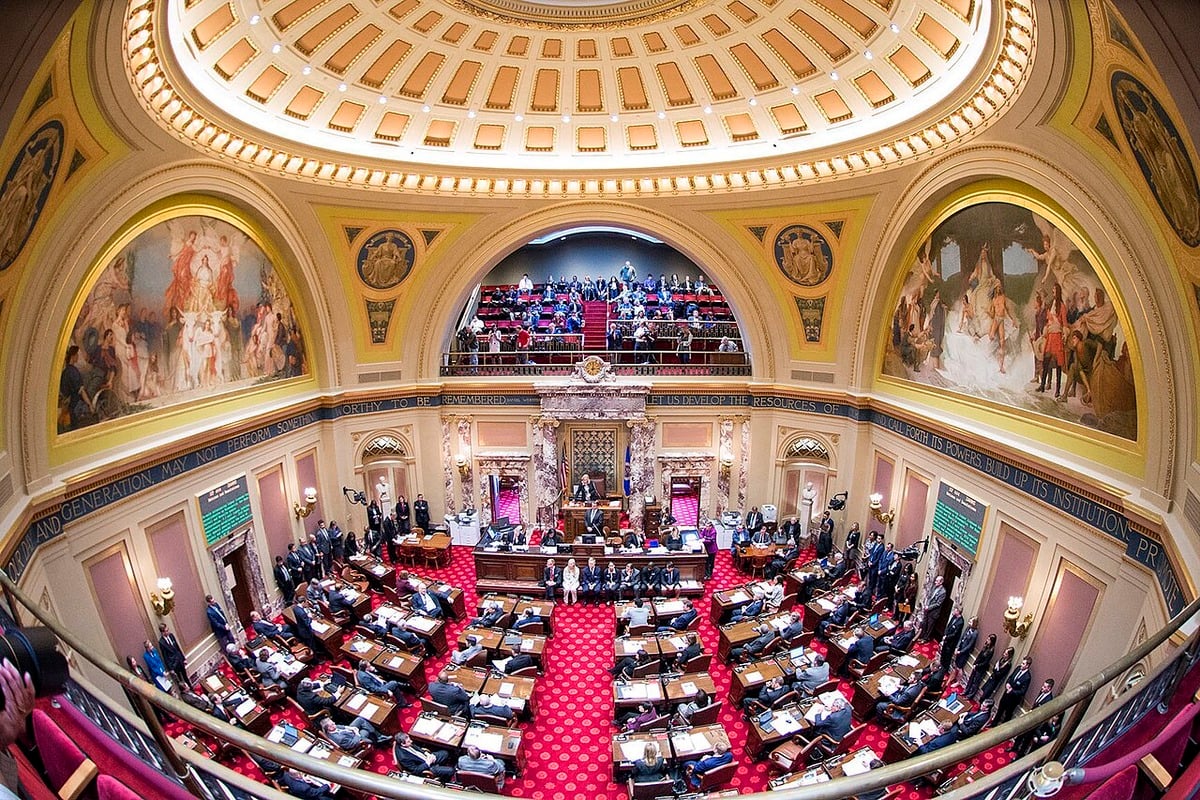
Erin Murphy, the Senate Majority Leader in Minnesota, has publicly acknowledged the leadership of Governor Tim Walz during a series of crises that have impacted the state. In her recent statement, Murphy praised Walz for effectively guiding Minnesota through challenges including the COVID-19 pandemic, civil unrest, and the turbulent political environment fostered by the Trump administration.
“His leadership has steered the state through some of the most difficult challenges in our history,” Murphy stated, as reported by the Senate Democratic-Farmer-Labor Party (DFL) of Minnesota. This recognition comes at a time when the state grapples with ongoing issues while also striving for recovery and progress.
Legislative Achievements and Support Initiatives
Murphy highlighted the collaborative efforts between the Governor and the state Senate since 2023, which have led to significant legislative strides. Key initiatives include substantial investments in Minnesota’s education, healthcare, and community infrastructure. Notably, the introduction of a comprehensive paid leave program has been emphasized as a landmark achievement. Murphy referred to it as “the strongest paid leave program in America,” designed to support “more than 10,000 new parents, people recovering from illness or caring for a loved one.”
This paid leave program, launched this week, highlights the administration’s commitment to improving the quality of life for Minnesota residents. According to Murphy, these legislative efforts reflect a broader vision for a more equitable and supportive society.
Political Tensions and Mobilization Efforts
In her statement, Murphy did not shy away from addressing the increasing political tensions both within Minnesota and on the national stage. She criticized the Trump administration for what she termed its targeting of the state, which she claimed has pushed Minnesota toward an existential threat. Murphy asserted, “Minnesotans aren’t having it,” serving as a robust rebuttal against federal pressures and the Republican Party in Minnesota.
Murphy characterized some state Republicans as either aligning with Trumpism or failing to adequately oppose its detrimental effects. Her statement reflects a broader strategy aimed at mobilizing voters, positioning the DFL as a staunch defender against what she described as “a corrupt oligarchy.” She expressed confidence that the electorate can discern and elevate leaders committed to serving public interests and challenging harmful forces.
This impassioned rhetoric underscores an ongoing political battle within Minnesota, framing the DFL as a protector of the welfare of its citizens. Murphy’s remarks resonate with a sense of urgency and determination, reinforcing the party’s commitment to fostering a resilient and inclusive state.