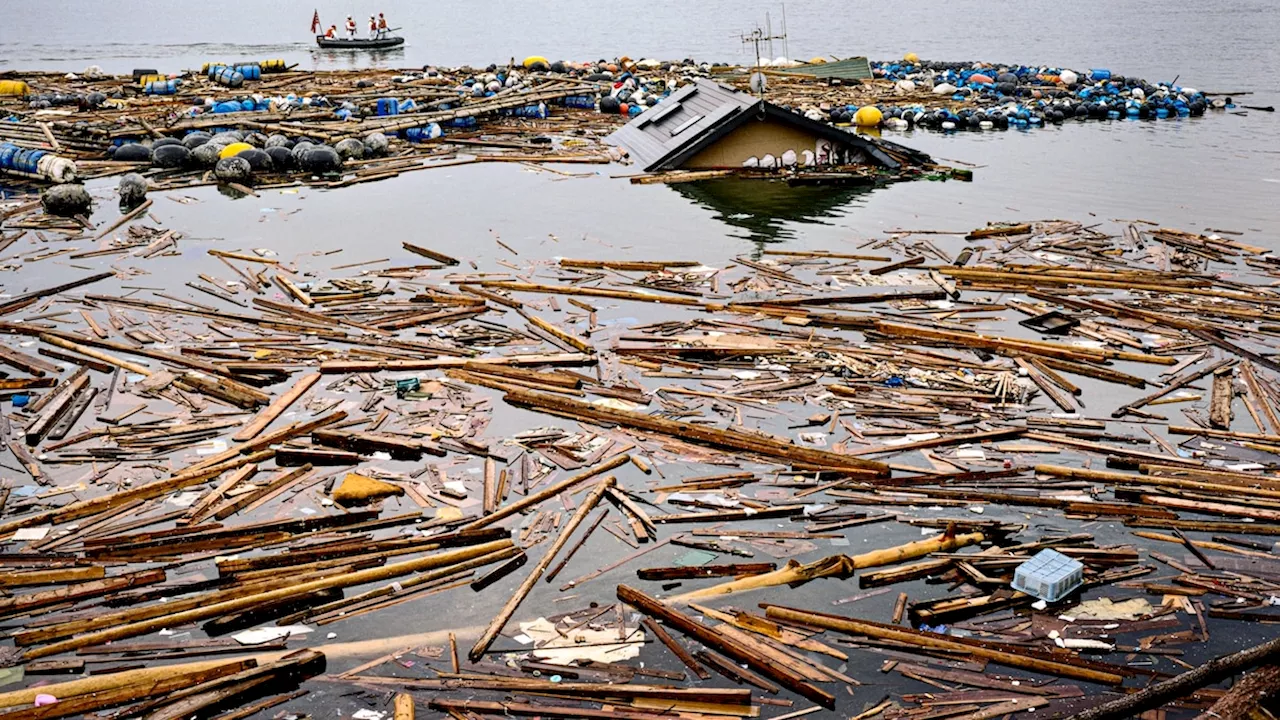
UPDATE: Reconstruction efforts are underway in Antakya, Turkey, following the catastrophic earthquake that struck on February 6, 2023, killing approximately 50,000 people across the country. Visionary architects and planners are seizing this opportunity to reimagine the city, which suffered extensive damage, with 80% of buildings destroyed.
In a harrowing account, Nuri Imren, a local pastry maker, recalls the moment his family was trapped during the 7.8 magnitude earthquake. “We were in too much shock,” he said, reflecting on the chaos as they fled their high-rise apartment, which ultimately was demolished. Tragically, Imren lost his girlfriend and uncle in the disaster.
As the city begins to rise from the rubble, plans overseen by Foster + Partners aim to transform Antakya into a more resilient urban center. The ambitious master plan includes lower buildings, expanded green spaces, and community-focused designs that encourage interaction among residents. The goal is to create a safer, more engaging environment for a city that has endured profound loss.
The reconstruction is not just limited to Antakya. Around the world, there is a growing movement among architects and urban planners to rethink how communities rebuild after disasters. From the BJarke Ingels Group‘s innovative designs for New York’s East River Park, which includes flood defenses disguised as green spaces, to community-centered rebuilding efforts in California’s Paradise, the focus is on resilience and connection.
In Antakya, the new city center will feature broad avenues and recreational zones along the Asi River, enhancing access to the waterfront and mitigating future earthquake risks. Cem Yılmaz, an Istanbul-based urban planner, emphasizes the importance of retaining community ties in rebuilding efforts. His team has worked to map neighborhoods to ensure that residents can return to familiar locations.
As the reconstruction progresses, workers are racing to complete the new city center that will house displaced survivors. The first shops are anticipated to open in February 2024, with residents moving into new homes shortly afterward. The emotional toll on the community remains high, but there is a collective determination to heal and rebuild.
The transformation of Antakya is being closely monitored as a potential model for other cities facing similar challenges. With the frequency of natural disasters increasing worldwide, the lessons learned here could be crucial for future resilience efforts.
As global communities grapple with the impacts of climate change and urbanization, the innovative approaches seen in Antakya serve as a beacon of hope. “So many things are doable,” Yılmaz insists, underscoring the potential for recovery and renewal.
The world watches as Antakya embarks on this monumental journey of reconstruction, turning tragedy into opportunity while honoring the memory of those lost. The city aims to emerge stronger, more vibrant, and more connected than ever before.