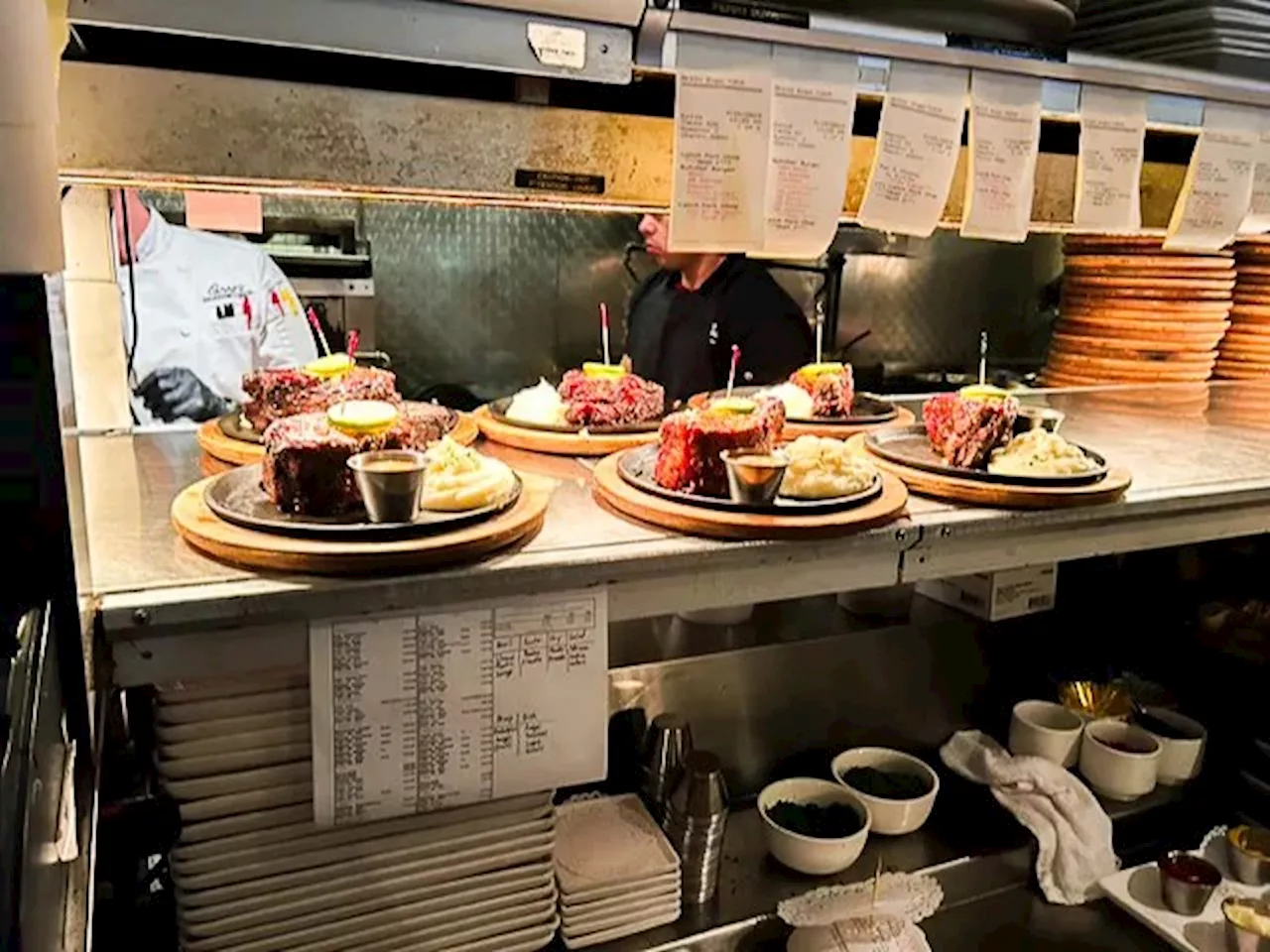
UPDATE: A Dallas steakhouse, Perry’s Steakhouse, has been ordered to pay a staggering $21,022,039 following a ruling in an illegal tip pooling case involving 750 servers. The lawsuit, confirmed by U.S. District Judge Robert Pitman, revealed that the restaurant improperly distributed tips to non-tipped morning staff, violating labor laws.
The judge’s decision, announced just hours ago, marks a significant blow to the restaurant, which has faced allegations of financial misconduct in the past. The plaintiffs claimed Perry’s took portions of their hard-earned tips to compensate employees who were not eligible to receive tips, such as prep staff. This practice is strictly prohibited under the Fair Labor Standards Act (FLSA).
As the legal battle intensifies, Perry’s has publicly disputed the findings and vowed to continue its defense. Chief Operating Officer Rick Henderson stated, “We respect and value our employees and strongly disagree with the recent filings.” He emphasized that the restaurant has taken numerous steps to ensure lawful compensation practices.
The case has drawn significant attention across Texas, raising critical questions about tip pooling practices in the restaurant industry. According to legal experts, this ruling could set a precedent, urging other restaurants to reevaluate their tip-sharing policies. Servers who suspect unlawful practices at their establishments are encouraged to contact employment lawyers for guidance.
This lawsuit is not an isolated incident; Perry’s has previously faced investigations related to FLSA violations, putting them under scrutiny for their compliance with labor laws. With this latest ruling, the stakes are high, and the implications for restaurant owners could be profound.
As Perry’s prepares for the next phase of this legal process, the restaurant industry is bracing for potential changes in how tip pools are managed. The outcome of this case not only affects Perry’s but could also influence policies across Texas and beyond.
WHAT’S NEXT: The judge has yet to rule on the exact monetary damages, leaving the outcome still somewhat uncertain. The restaurant’s response and any potential appeals will be closely watched as they unfold.
This development serves as a wake-up call for restaurant owners, emphasizing the need for compliance with labor laws to protect employees’ rights. As the story develops, many are eager to see how Perry’s will navigate the legal landscape and what this means for the future of tipping practices in the hospitality industry.