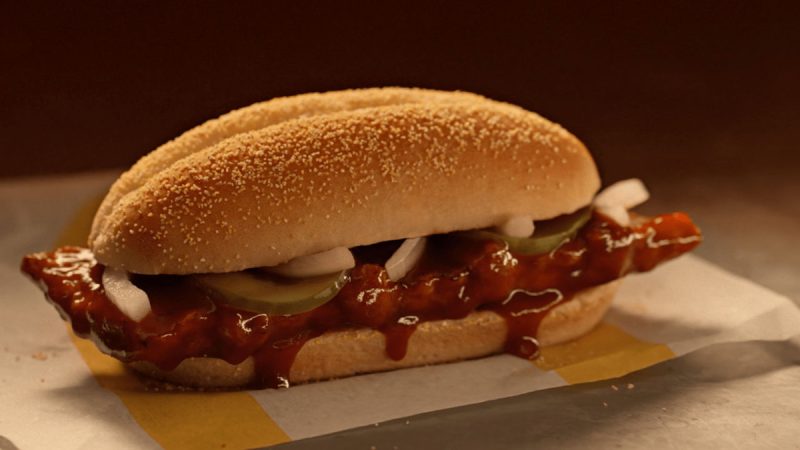
McDonald’s Corporation has issued a statement addressing claims made in a class-action lawsuit concerning the quality of meat used in its iconic McRib sandwich. The lawsuit, filed last month, alleges that the fast-food giant employs “lower-grade pork products” in its seasonal offering.
In the wake of these accusations, McDonald’s has firmly stated that “many of the claims are inaccurate.” The company asserts that it sources its pork from reputable suppliers, maintaining quality standards that align with consumer expectations. McDonald’s spokesperson emphasized that the meat used in the McRib is carefully selected to ensure taste and safety.
The class-action lawsuit, lodged in the U.S. District Court, has drawn attention due to its potential implications for consumer trust in major food brands. Plaintiffs argue that misleading marketing practices have led customers to believe they are consuming higher-quality ingredients when, in fact, they are receiving subpar products.
Details of the Lawsuit
The lawsuit raises significant questions about transparency in food sourcing and labeling. It claims that McDonald’s marketing efforts create a perception of superior quality that does not reflect the actual ingredients used. The plaintiffs are seeking damages and calling for changes to McDonald’s advertising practices.
Critics of the fast-food industry have long highlighted concerns regarding food quality, particularly in mass-produced items. The outcome of this lawsuit could influence how companies communicate about their food sources and ingredient quality.
In its defense, McDonald’s has reiterated its commitment to food safety and quality assurance. The company insists on rigorous standards throughout its supply chain and aims to provide customers with reassurance regarding the meals they purchase.
Response from Consumers and Industry Experts
Consumer reactions to the lawsuit have been mixed, with some expressing disappointment over the allegations against McDonald’s. Many loyal customers have defended the brand, citing personal experiences and the popular demand for the McRib, which has garnered a dedicated following since its debut.
Industry experts note that fast-food chains face increasing scrutiny regarding their ingredient sourcing. This lawsuit may prompt other companies to review their practices to avoid similar legal challenges. The case exemplifies a broader trend of consumers demanding higher transparency in food production and marketing strategies.
As the legal proceedings unfold, McDonald’s will likely continue to address these claims publicly, emphasizing its sourcing practices and the quality of its menu items. The outcome of the case may not only shape the future of the McRib but could also have lasting effects on the fast-food industry as a whole.