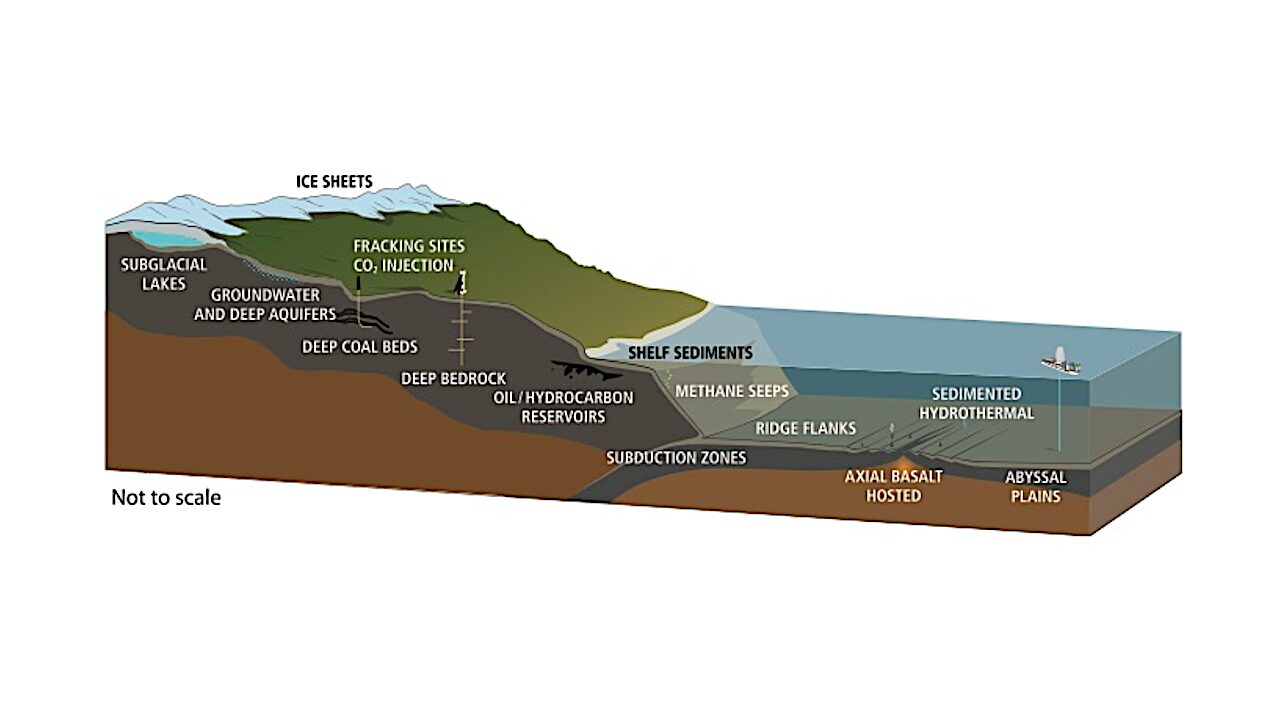
Subsurface microbiology is becoming increasingly crucial in addressing significant societal challenges, particularly in the realms of climate change mitigation and waste storage solutions. As researchers transition from merely identifying microbial communities to understanding their functional roles and the processes that govern subsurface life, the urgency for enhanced exploration becomes evident. Despite its importance, funding for subsurface sampling and research has been limited, raising concerns about the future of this field.
The vital role of subsurface microorganisms in ecological processes cannot be overstated. These tiny organisms contribute to nutrient cycling, pollutant degradation, and the stabilization of underground habitats, all of which are essential for developing sustainable solutions to pressing environmental issues. The growing emphasis on subsurface habitats for both climate change mitigation and waste storage solutions underscores the need for a robust understanding of the microbial communities residing within them.
Challenges in Subsurface Microbiology
Currently, opportunities for subsurface sampling are constrained by limited funding and diminishing resources. This situation presents a significant challenge for scientists and engineers working in the extractive and waste disposal industries, as well as for those interested in the broader field of geomicrobiology. To sustain and advance this essential research, it is imperative to engage early-career microbiologists in drilling projects, ensuring fresh perspectives and innovative ideas contribute to the field’s growth.
The historical context of subsurface science reveals a rich tapestry of exploration, but as the focus shifts toward practical applications, the need for interdisciplinary collaboration becomes increasingly clear. By incorporating microbiologists into project planning phases, researchers can develop more comprehensive and effective drilling initiatives that align with both scientific inquiry and societal needs.
Path Forward for Subsurface Research
To address these challenges, several strategies can be adopted. Expanding access to subsurface sampling through partnerships with the industry is crucial. Such collaborations can provide the necessary resources and funding to support microbiology-led drilling projects. Additionally, fostering interdisciplinary drilling initiatives will facilitate a more holistic approach to understanding subsurface environments.
The potential benefits of these actions extend beyond the scientific community. By advancing our understanding of subsurface microbiology, we can better equip ourselves to tackle some of the most pressing issues facing society today. As the urgency of climate change and waste management escalates, the exploration of subsurface habitats becomes not just an academic pursuit but a societal imperative.
In conclusion, the future of subsurface microbiology lies in collaboration, innovation, and sustained investment. By prioritizing these elements, stakeholders can ensure that this vital field continues to contribute to effective solutions for climate change and waste storage challenges, ultimately benefiting society at large.