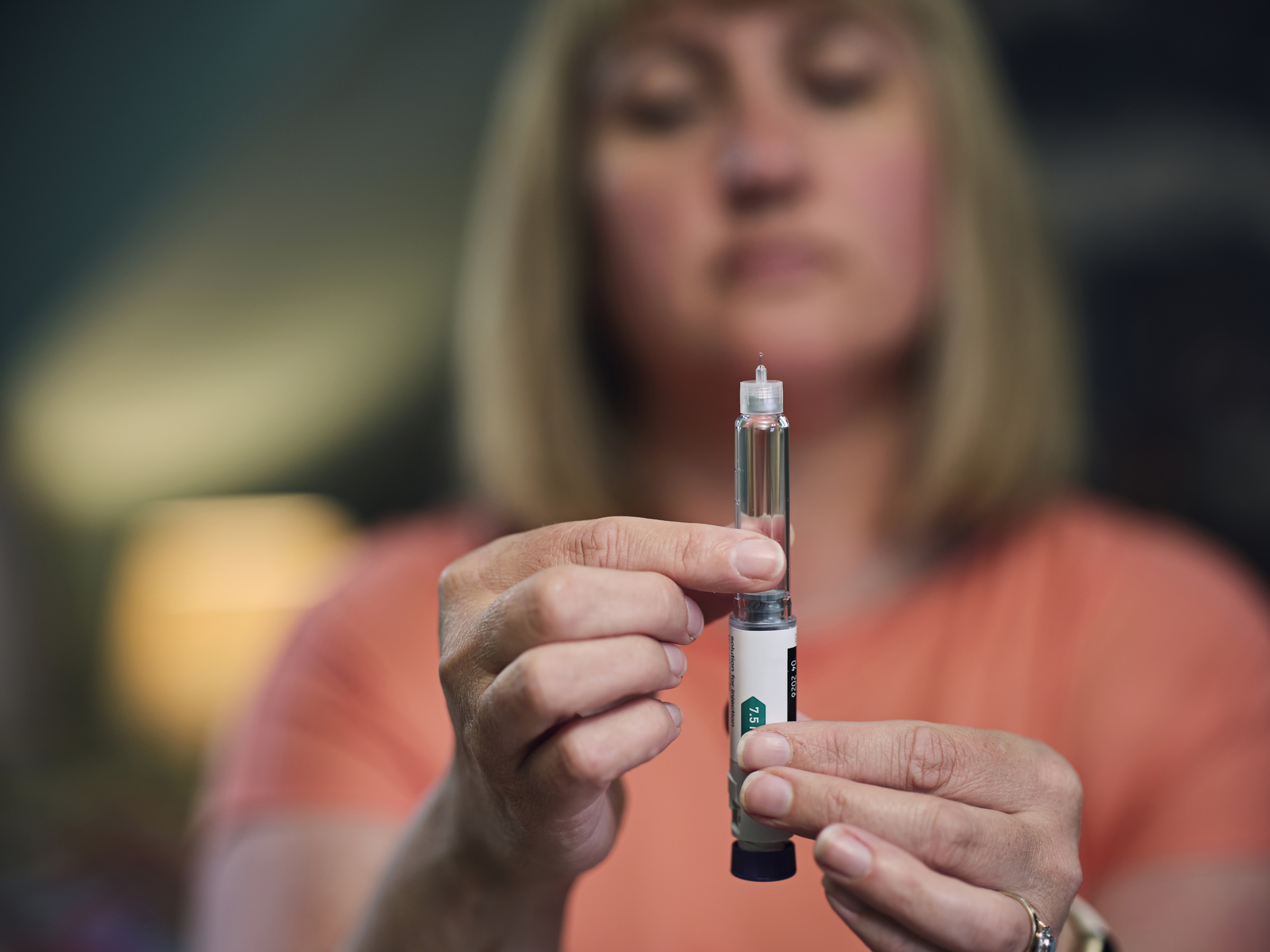
The increasing reliance on GLP-1 agonist drugs such as Ozempic and Wegovy for weight loss is raising concerns among healthcare professionals and patients alike. Many individuals who successfully shed significant pounds while using these medications find themselves struggling to discontinue their use. Reports indicate that once patients stop taking these injectables, their hunger returns with heightened intensity, often leading to weight regain.
Tanya Hall, a user of Wegovy, shared her experience with the BBC, stating, “For the first 38 years of my life, I was overweight — now I’m six stone (38 kg) [83 pounds] lighter. Therefore, there’s part of me that feels like there’s an addiction to keep it going because it makes me feel the way that I feel, it makes me feel in control.” This sentiment reflects a broader trend, as research shows that patients who cease using GLP-1 medications often regain a substantial portion of the weight they lost.
Long-Term Dependency on Weight Loss Medications
The implications of this trend suggest that many users may need to approach their obesity as a chronic condition, requiring sustained medication use. Celebrity figures, including Oprah Winfrey, have publicly acknowledged this reality. In a recent interview with People Magazine, Winfrey stated, “It’s going to be a lifetime thing. I’ve proven to myself I need it.” She underscored the parallels between GLP-1 drugs and other long-term medications, such as those for high blood pressure.
According to research conducted by Novo Nordisk, patients who stop using these medications tend to regain about two-thirds of their lost weight. Hussain Al-Zubaidi, a physician, noted that he has observed patients recovering 60 to 80 percent of the weight they initially lost. This statistic highlights the challenges faced by those trying to maintain weight loss after discontinuing GLP-1 treatments.
Strategies for Sustainable Weight Management
Despite these challenges, there is a glimmer of hope for patients seeking to manage their weight without relying solely on medications. Al-Zubaidi suggests that individuals should develop an “exit strategy,” focusing on sustainable lifestyle changes that can support weight maintenance after the discontinuation of these drugs.
Ellen Ogley, who lost 48.5 pounds while using Eli Lilly’s GLP-1 drug Mounjaro, serves as a positive example. During her time on the medication, she established healthier eating habits and incorporated regular exercise into her routine. Even after stopping the drug, she has managed to maintain her weight loss. “I want people to know that life after Mounjaro can be sustainable as well,” Ogley remarked.
The experiences of these individuals underscore the complexities surrounding GLP-1 medications and weight management. As the conversation about obesity treatment evolves, it remains crucial for patients and healthcare providers to work collaboratively in developing effective strategies for long-term success. This may include combining medication with lifestyle modifications to foster not just short-term weight loss, but enduring health improvements.