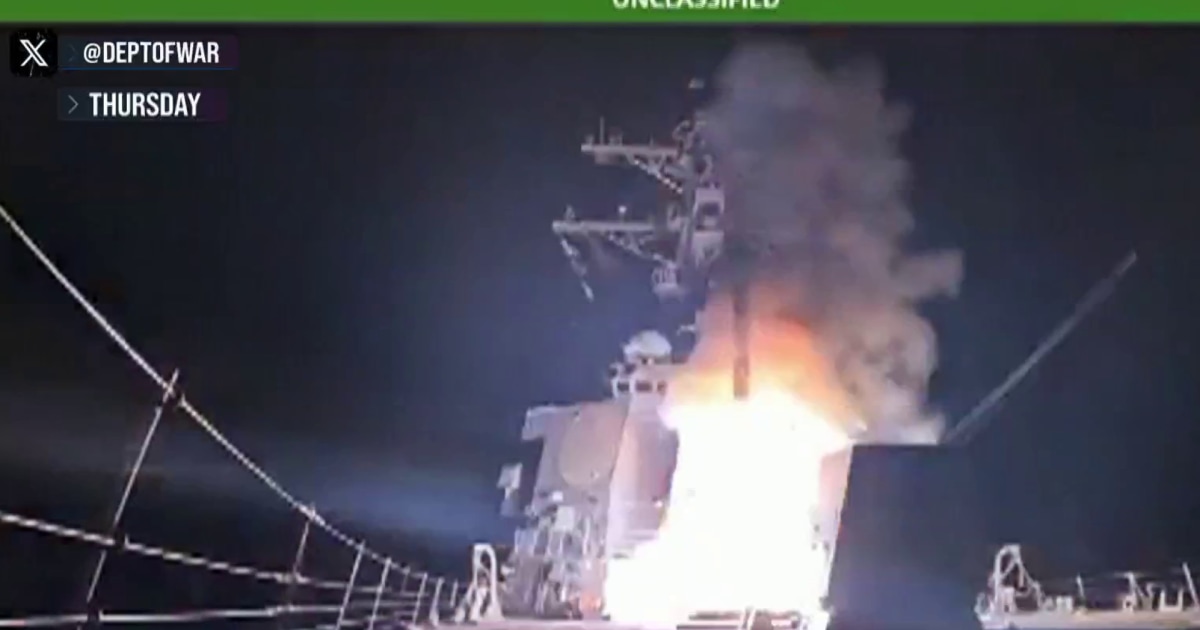
The Federal Aviation Administration (FAA) has lifted restrictions on Caribbean airspace, allowing US airlines to resume flights to numerous airports in the region. This decision comes after a significant US military operation targeting Venezuelan leader Nicolás Maduro on January 3, 2024, which prompted the FAA to issue an emergency Notice to Airmen (NOTAM). Thousands of passengers have been stranded due to cancelled flights, but airlines are now preparing to restore services.
Airspace Reopening
The FAA announced that the restrictions would expire at 12:00 am Eastern Time on January 4, 2024. US Secretary of Transportation Sean Duffy confirmed that airlines were notified and should update their schedules accordingly. The emergency NOTAM took effect at 06:00 am on January 3, 2024, as approximately 150 US military aircraft participated in the operation. Concerns over safety due to recent near-miss incidents had necessitated the airspace shutdown, following a previous collision between an American Eagle flight and a US Army helicopter near Reagan National Airport.
Duffy stated on his X account, “The original restrictions around the Caribbean airspace are expiring at 12:00 am ET and flights can resume. Airlines are informed, and will update their schedules quickly. Please continue to work with your airline if your flight was affected by the restrictions.”
Airlines Prepare to Resume Operations
Following the FAA’s sudden order, airlines quickly began cancelling flights to the Caribbean, leaving many travelers in uncertain situations. US carriers, particularly JetBlue Airways and Delta Air Lines, were among the most affected. JetBlue cancelled over 200 flights on January 3, while Delta scrapped more than 100 services.
JetBlue announced plans to “resume normal operations” on January 4, 2024, and indicated that additional flights would be added to specific routes as conditions allowed. The airline’s operations at 15 Caribbean airports were disrupted, while American Airlines had 19 destinations impacted. Delta expects to return to its normal schedule, although it may implement some adjustments as resources are repositioned. United Airlines also anticipates operating a regular schedule, with increased frequencies where necessary.
Impact on Travelers
The timing of the airspace closure coincided with a busy travel weekend, leaving many passengers stranded at airports across the Caribbean. The region is typically a popular destination during the winter months, particularly for travelers escaping colder climates.
The most severely impacted airport was San Juan Luis Muñoz Marin International Airport (SJU), which saw around 400 flight cancellations on January 3, according to data from FlightAware. Other airports that experienced significant disruptions include Cyril E. King Airport (STT) in the US Virgin Islands and Queen Beatrix International Airport (AUA) in Aruba, each reporting approximately 100 cancellations.
In the United States, Miami International Airport (MIA), the busiest hub for Caribbean flights, experienced over 100 cancellations, along with more than 400 flight delays. Travelers who had planned to visit the Caribbean faced frustration and uncertainty, trapped in foreign airports without clear timelines for their return.
As airlines work to restore operations, affected passengers are encouraged to stay in contact with their airlines for updates on their travel plans. The reopening of the Caribbean airspace marks a critical turning point for the aviation industry, which has faced unprecedented disruptions in recent months.