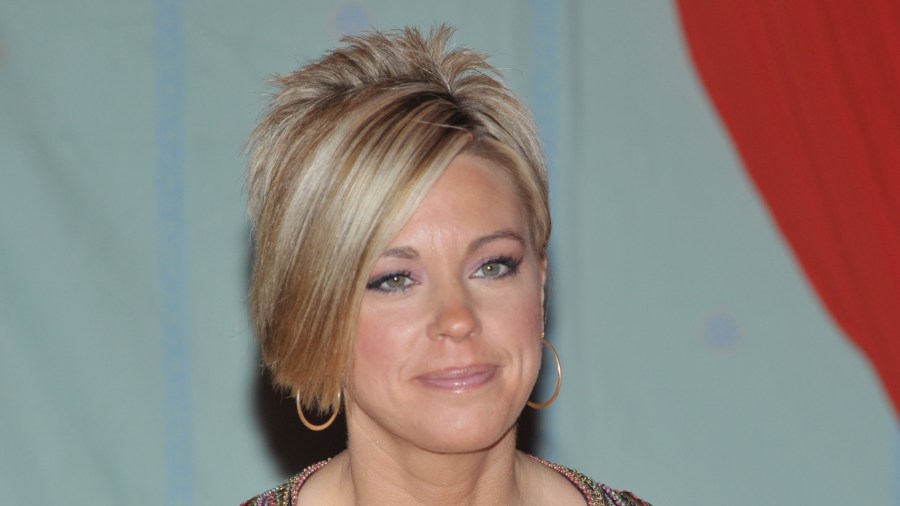
A recent trend on social media has led to a significant shift in how younger generations perceive certain names, particularly the name “Karen.” Members of Generation Z have identified “Jessica” as the new name associated with negative stereotypes, effectively replacing the previous popular choice, “Karen.” This change appears to stem from discussions on platforms such as TikTok, where users share experiences related to entitlement and privilege.
The term “Karen” has been widely used in recent years to describe a specific type of entitled behavior, often exhibited by middle-aged women, particularly in customer service scenarios. However, as cultural conversations evolve, Gen Z has sought a fresh label to capture similar sentiments. In this context, “Jessica” has emerged as the latest name to symbolize entitlement.
Social Media Drives the Change
This transformation reflects a broader trend where social media significantly influences language and cultural norms. According to a recent survey conducted in July 2023, a substantial portion of Gen Z participants expressed their preference for the name “Jessica” over “Karen” in discussions about entitled behavior. The survey, which included responses from over 1,000 individuals aged 18 to 25, indicated that around 60% of respondents supported the new label.
The shift has not gone unnoticed by older generations. Many from Generation X and Millennials have reacted with surprise and, in some cases, disappointment. Some have taken to social media to voice their frustrations, feeling that “Jessica” is unfairly targeted. “It’s disheartening to see my name associated with negativity,” shared one user, who identified as a Jessica, reflecting the sentiments of others who share the name.
Cultural Implications and Discussions
The renaming phenomenon raises questions about the fluid nature of language and its impact on identity. As cultural stereotypes continue to evolve, so too do the names associated with them. This trend highlights how generational differences shape societal perceptions and behaviors.
Experts in linguistics suggest that such changes in nomenclature are not uncommon. Dr. Emily Carter, a linguistics professor at the University of London, noted, “Names can carry powerful connotations and evolve based on societal attitudes. The choice of ‘Jessica’ over ‘Karen’ illustrates how younger generations are reshaping language to reflect their values and experiences.”
This shift is also indicative of a broader cultural shift towards inclusivity and sensitivity. As Gen Z embraces diversity and promotes social equity, they may be more inclined to reassess labels that carry historical baggage. The name “Karen” has faced significant backlash, leading to discussions about the impact of naming conventions on social dynamics.
As the conversation continues, it remains to be seen how this trend will evolve. Will “Jessica” become the standard for describing entitled behavior, or will another name emerge as societal attitudes change once more? For now, it appears that Gen Z has firmly established its own cultural narrative, one that reflects their unique perspective on social issues.