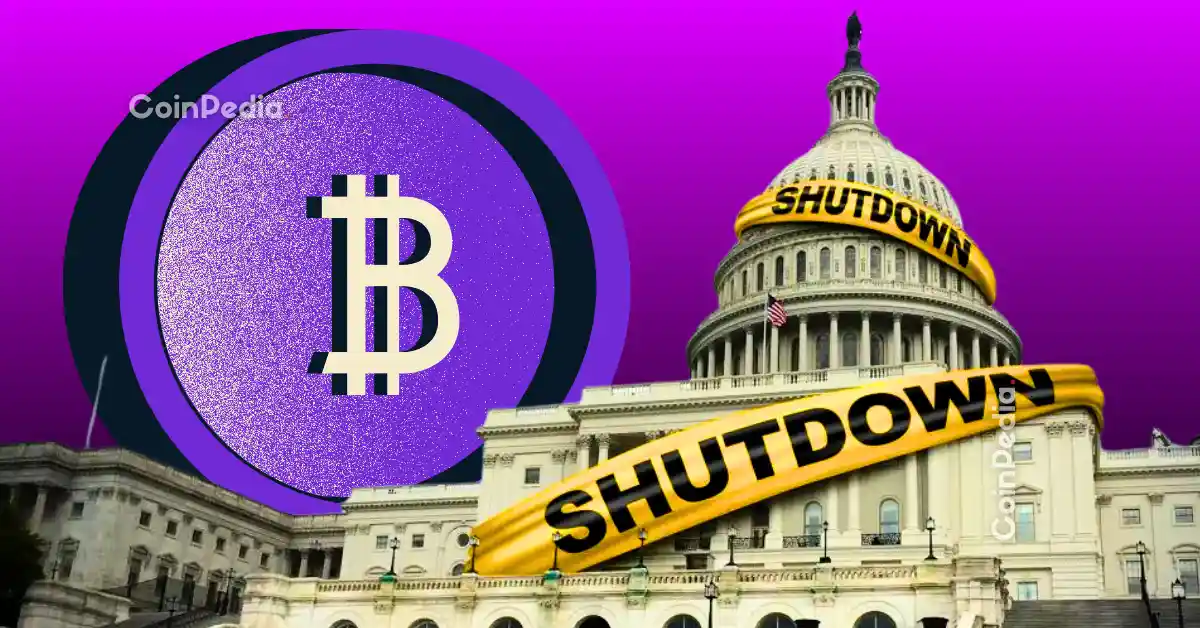
Concerns regarding a potential U.S. government shutdown have significantly diminished, with prediction markets now estimating a 26% chance of a shutdown occurring in January 2026. This reduction in uncertainty has led to a stabilization of financial markets, particularly benefiting the cryptocurrency sector, which previously faced substantial losses amid shutdown fears.
The easing of shutdown worries can largely be attributed to the passage of the One Big Beautiful Bill Act in 2025. This legislation has effectively pre-funded approximately 85% to 95% of federal spending needs through September 2026, thereby diminishing the dependency of various government programs on short-term funding measures. As a result, even if negotiations over additional funding encounter delays, the risk of a widespread government shutdown has decreased significantly.
In recent weeks, the odds of a U.S. government shutdown had surged to nearly 38%, prompting increased caution among traders and market participants. The latest data from Kalshi indicates that the likelihood of a shutdown has now fallen to 26%, signaling growing optimism that Congress may successfully negotiate a spending deal or pass a continuing resolution to avert a shutdown.
Impact on Financial Markets
The implications of a potential shutdown extend beyond government operations, directly affecting the cryptocurrency market. During the height of shutdown fears, the total market capitalization of cryptocurrencies plummeted from $3.15 trillion to $2.95 trillion, resulting in a loss of nearly $200 billion. The uncertainty surrounding the shutdown not only influenced market sentiment but also led to significant selling pressure on assets like Bitcoin.
During this turbulent period, Bitcoin’s value dropped by nearly 6%, falling from around $93,000 to below $87,500. Additionally, U.S. spot Bitcoin exchange-traded funds (ETFs) experienced over $600 million in outflows within a two-week timeframe, compounding the downward pressure on the market.
Despite the current sense of stability, the situation remains fluid. Lawmakers must approve additional spending measures or pass another stopgap funding resolution by January 30, 2026, to maintain government operations without disruption. Failure to do so could reignite shutdown fears and further impact both financial markets and economic conditions.
As 2026 begins, the dynamics surrounding U.S. government funding are being watched closely by investors and lawmakers alike. The recent decline in shutdown fears, coupled with the significant pre-funding established by the One Big Beautiful Bill Act, offers a temporary reprieve for markets, yet the necessity for ongoing governance and financial oversight remains paramount.