As the new year begins, many homeowners are contemplating renovations, including their gardens. Grace Williams, a new homeowner in Morton Grove, is pondering how best to approach her garden’s renovation. Faced with overgrown plants that do not align with her aesthetic preferences, she seeks guidance on balancing her vision with the healthy plants that currently occupy her space.
Making Bold Decisions in Garden Renovation
For many gardeners, the challenge lies in removing healthy plants that have outlived their purpose. This reluctance can hinder the long-term success of a garden. Williams emphasizes the importance of being decisive, suggesting that homeowners should not hesitate to remove plants that no longer fit their vision. “Editing your garden is a normal part of the process,” she explains, urging others to approach their gardens with the same flexibility as they would in redecorating their homes.
Williams recalls her own experience in a previous home, where she removed all the plants from her front garden, much to the surprise of a neighbor who questioned her decision to discard perfectly healthy plants. “They were pedestrian and overgrown,” she states. “I wanted to change the look, and it was an easy choice for me.”
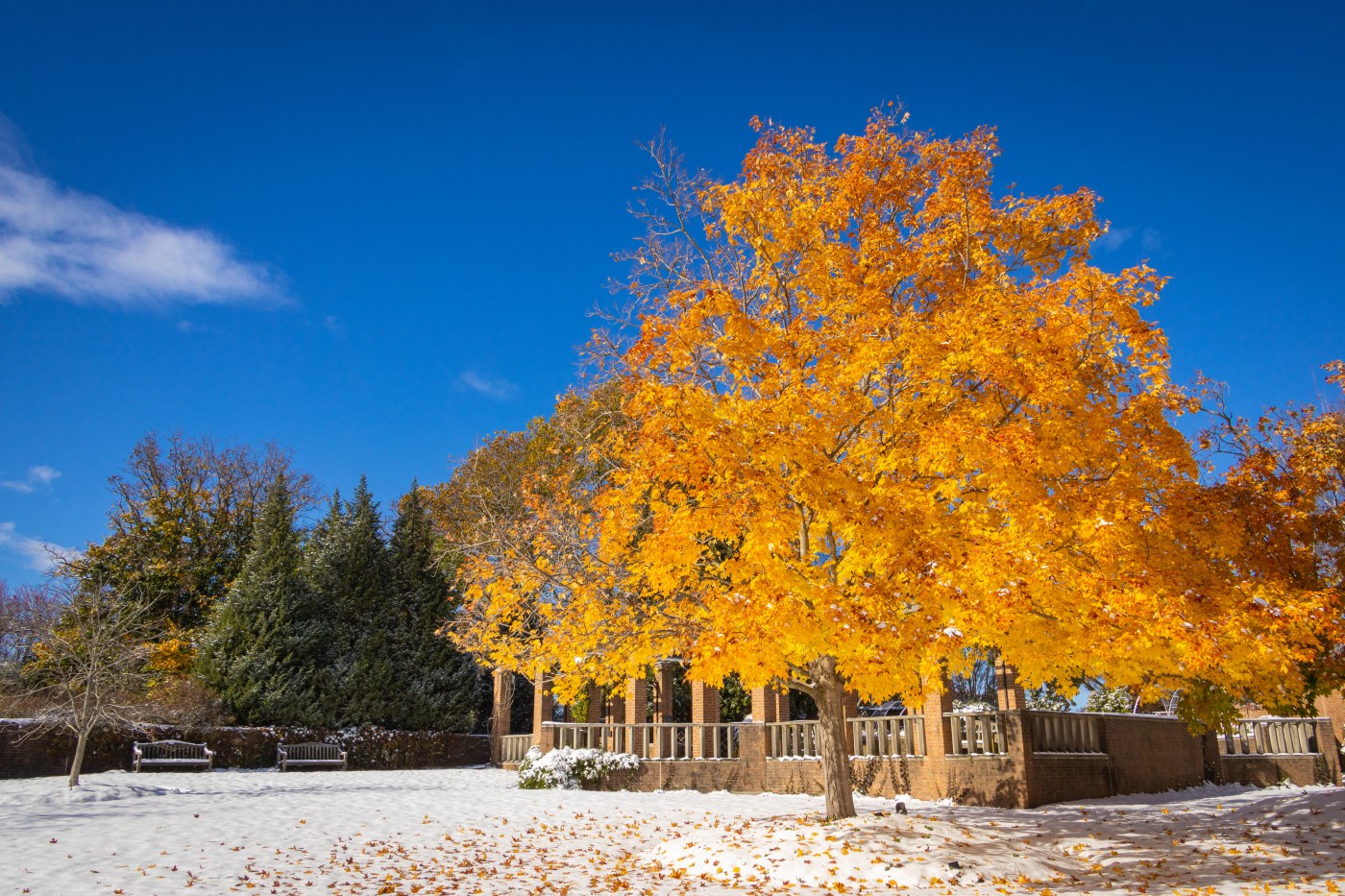
Such decisions can lead to significant transformations. Over a period of three years, Williams removed eight large Norway maples, considered invasive in her region, replacing them with sugar maples and ginkgo trees. Though the initial loss of foliage was stark, the garden now thrives, providing a beautiful border that screens her neighbor’s yard and supports local wildlife.
Strategies for Renovating Your Garden
When editing a garden, aggressive pruning can rejuvenate overgrown deciduous shrubs, particularly in the dormant season. Many homeowners struggle with large, overgrown yews, which frequently occupy the foundations of houses. While these can respond well to heavy pruning, recovery can take several years. As such, Williams advises that in many cases, it may be more prudent to remove old yews and replace them with new varieties.
Time constraints also play a role in gardening decisions. Williams prefers a garden that is friendly to birds and insects, requiring minimal maintenance. “Watching fireflies in the summer is relaxing,” she notes, sharing her philosophy of allowing natural ecosystems to thrive without chemical interventions. She has only applied insecticides once in her 35 years of gardening, which speaks to her commitment to sustainability.
Reflecting on her gardening journey, Williams encourages others to consider their long-term goals. “Make bold decisions now,” she emphasizes, suggesting that hiring a consultant from a reputable source, such as the Chicago Botanic Garden, could provide valuable insights into rejuvenation pruning and overall garden management. She recommends reaching out to the Plant Information Service at [email protected] for further guidance.
With January being an ideal time for planning and action, Williams’ insights provide a roadmap for homeowners ready to transform their gardens. By embracing change and being willing to remove what no longer serves their vision, gardeners can create spaces that not only reflect their personal tastes but also flourish for years to come.