Explosions rocked Caracas, Venezuela, early on Saturday, as the government accused the United States of attacking both civilian and military installations. At around 02:00 local time, residents reported hearing multiple explosions and low-flying aircraft. The Venezuelan administration stated that these incidents occurred across several states, escalating an already tense situation.
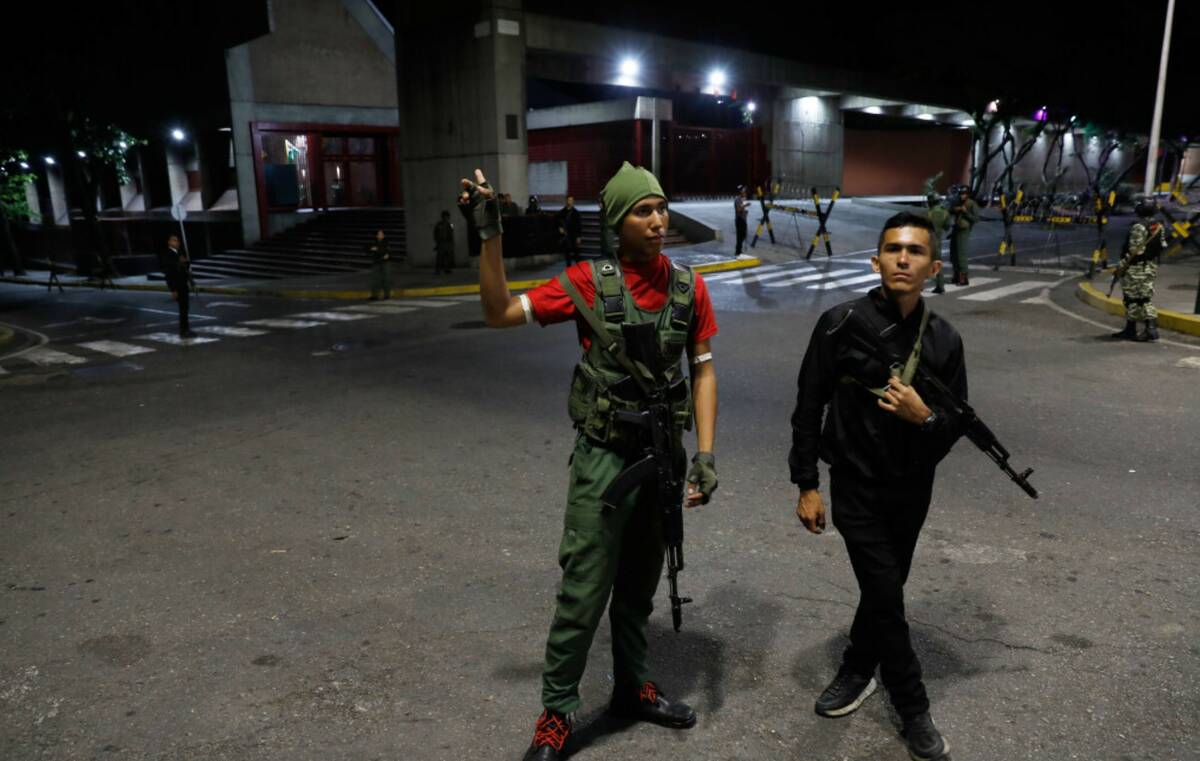
The Pentagon declined to comment directly, referring inquiries to the White House, which has not yet responded. In a related development, the Federal Aviation Authority announced a ban on U.S. commercial flights in Venezuelan airspace, citing “ongoing military activity” prior to the explosions. Smoke was observed emanating from a military base hangar in Caracas, and at least one installation experienced power outages. Witnesses described the scene as chaotic, with many residents rushing into the streets in alarm.
Carmen Hidalgo, a 21-year-old office worker, described her experience: “The whole ground shook. This is horrible. We heard explosions and planes. We felt like the air was hitting us.” The Venezuelan government urged citizens to mobilize in response to what it characterized as an “imperialist attack,” calling for demonstrations across the country.
Government Response and Military Preparations
Venezuelan President Nicolás Maduro declared a state of external disturbance and ordered the implementation of national defense plans. The government emphasized the need for unity among social and political forces in the face of perceived aggression. This escalation follows a series of U.S. military operations targeting alleged drug-smuggling boats in the Caribbean Sea, with the Venezuelan administration indicating a willingness to negotiate anti-drug trafficking agreements.
Maduro has previously accused the U.S. of seeking to instigate a government change in Venezuela, claiming that the pressure campaign is aimed at gaining access to the country’s vast oil reserves. In a recent pre-recorded interview, he reiterated these claims, framing U.S. actions as part of a broader strategy against the Venezuelan state. The U.S. has charged Maduro with narco-terrorism, intensifying the ongoing conflict between the two nations.
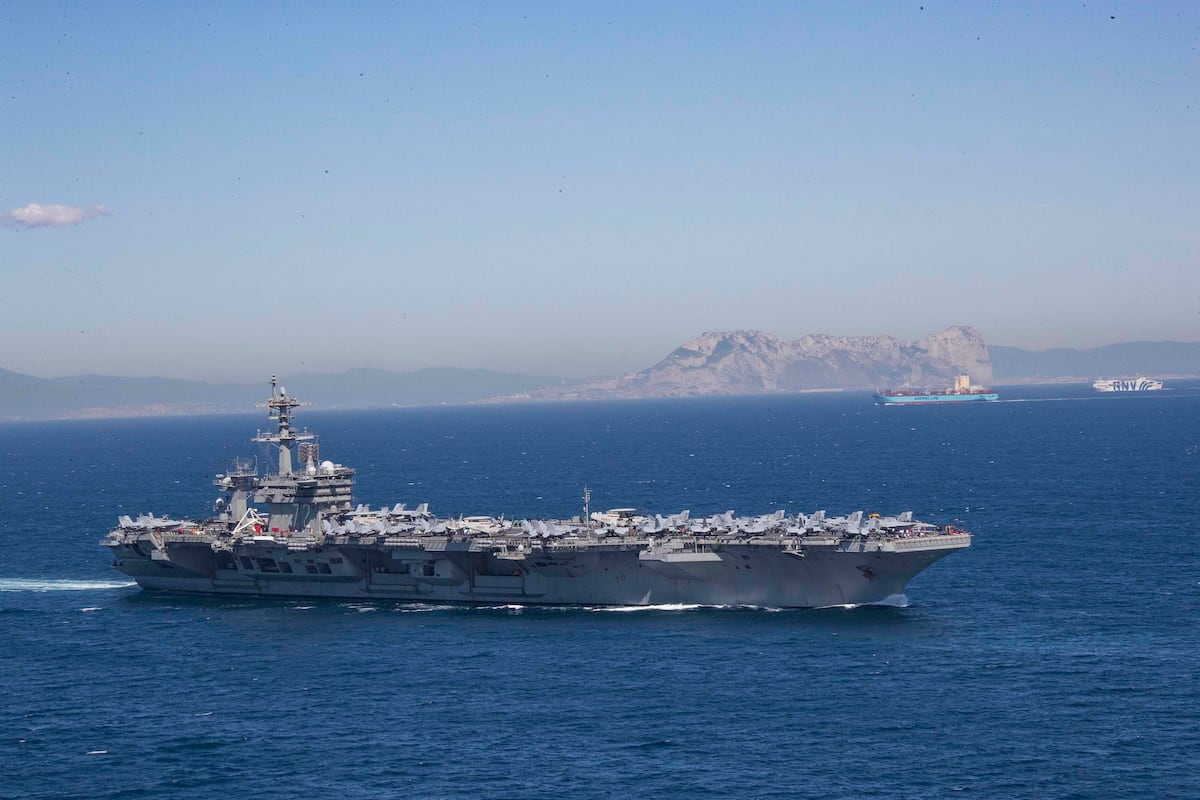
U.S. military operations have ramped up since early September, with reports indicating 35 confirmed boat strikes and at least 115 fatalities linked to these actions. The recent developments follow significant U.S. military presence in the region, including the deployment of advanced naval assets designed to counteract drug trafficking. U.S. President Donald Trump has justified these military operations as a necessary response to combat drug flows into the United States, stating that the U.S. is engaged in an “armed conflict” with drug cartels.
International Implications and Future Outlook
The ongoing tensions between Venezuela and the United States reflect a complex geopolitical landscape, where military actions coincide with economic pressures. The U.S. has employed sanctions and naval blockades aimed at restricting Venezuela’s oil exports, further straining the nation’s economy. These actions have raised concerns about potential humanitarian impacts and the broader implications for regional stability.
As the situation develops, the international community watches closely. The accusations of aggression and subsequent calls for mobilization by the Venezuelan government signal a precarious moment in U.S.-Venezuela relations. Observers will be keen to see how both governments navigate this escalating confrontation and what measures might be taken to address the underlying issues of drug trafficking and political sovereignty.