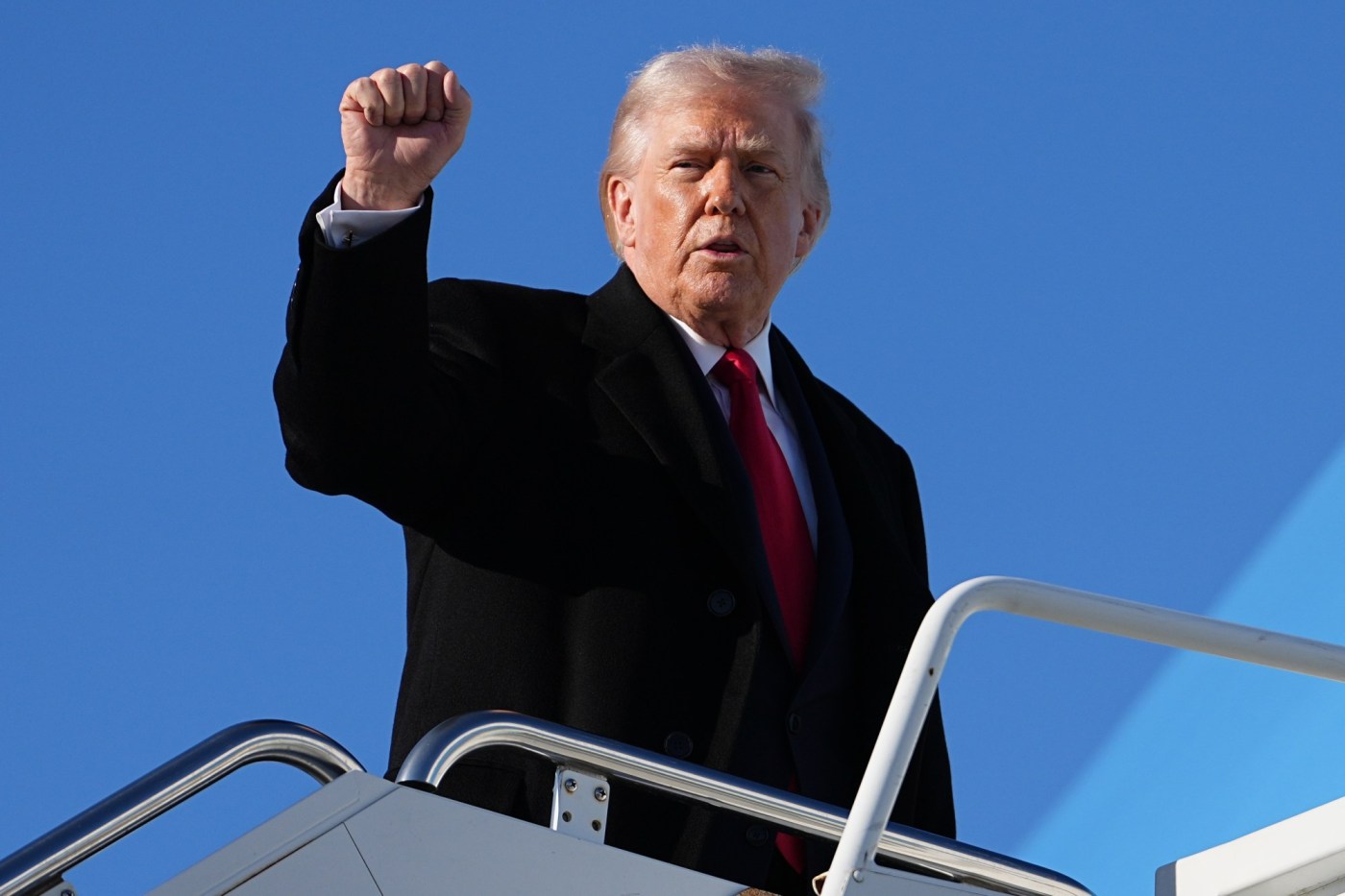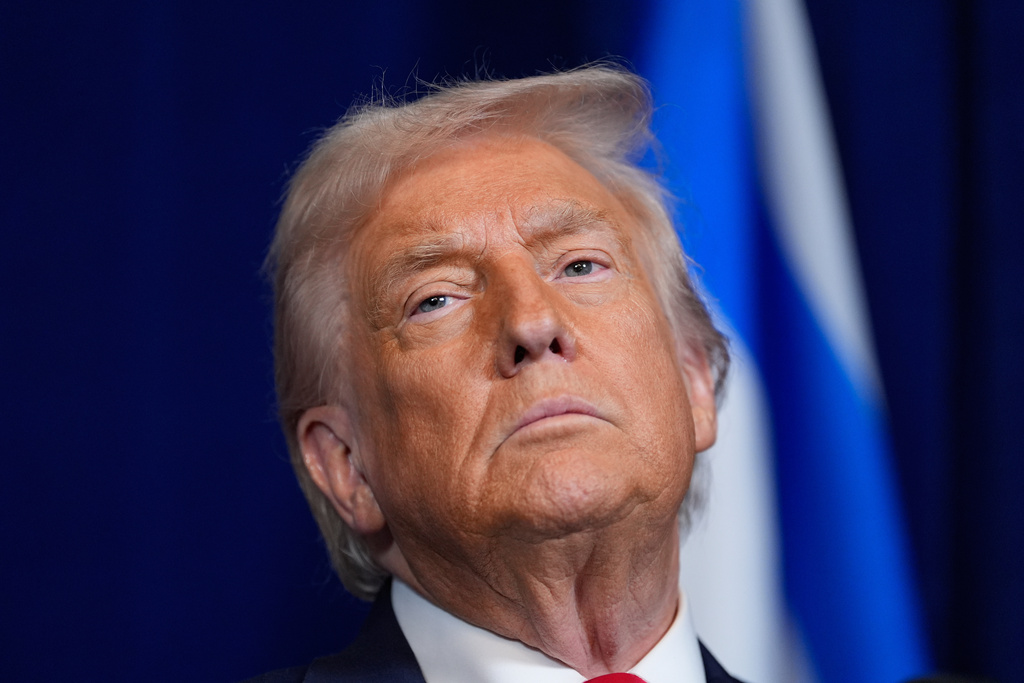
Several conservatives have publicly disagreed with President Donald Trump regarding his recent threats tied to the ongoing protests in Iran. On Friday, Trump stated on Truth Social, “If Iran shots and violently kills peaceful protesters, which is their custom, the United States of America will come to their rescue. We are locked and loaded and ready to go.” His comments have sparked significant criticism from within his party.
U.S. Representative Marjorie Taylor Greene, a Republican from Georgia who is set to resign on January 5, 2024, expressed her disapproval on social media platform X. She asserted that Trump’s approach of “threatening war and sending in troops to Iran is everything we voted against” during the 2024 presidential election. Similarly, Thomas Massie, a Republican congressman from Kentucky and a known critic of Trump, emphasized on X that the U.S. should focus on domestic issues instead of involving military resources in another country’s internal conflicts.
As tensions rise, Iran’s Foreign Ministry responded to Trump’s threats by warning that the U.S. would bear “full responsibility for the consequences” if it intervenes in the Iranian demonstrations. This warning heightens the existing tensions between the two nations, particularly following a significant drop in Iran’s currency, which plunged to 1.42 million rials against the U.S. dollar on Sunday. The economic crisis has fueled protests, with demonstrators calling for government accountability.
The unrest has resulted in at least seven fatalities, according to reports. Demonstrators have been vocal in expressing anti-government sentiments, leading to increased violence in the streets. Trump’s comments prompted reactions from various figures, including Steve Bannon, a longtime advocate of the “America First” movement. Bannon likened Trump’s rhetoric to the strategies of his 2016 electoral opponent, stating on his War Room podcast that the President’s words were reminiscent of the “playbook” used by former officials like Samantha Power and Hillary Clinton.
In contrast, exiled Iranian prince Reza Pahlavi thanked Trump for his support of the Iranian protesters. Pahlavi remarked, “President Trump, thank you for your strong leadership and support of my compatriots. This warning you have issued to the criminal leaders of the Islamic Republic gives my people greater strength and hope.” His statement highlights the complex dynamics surrounding international support for Iranian demonstrators.
Greene further criticized the spending of taxpayer money on foreign military actions, arguing that focus should remain on addressing economic issues at home. Meanwhile, Massie pointed out that Trump’s threats reflect broader concerns related to the dollar, oil, and Israel rather than a genuine commitment to freedom of speech in Iran.
As protests continue into their sixth day, Iranian authorities are reportedly seeking dialogue with demonstrators, pledging to discuss their economic grievances. However, there is widespread concern that public distrust in the government could hinder efforts to resolve the ongoing unrest.
The situation remains fluid as both the U.S. and Iranian officials navigate the escalating crisis, with implications that could extend beyond their borders.