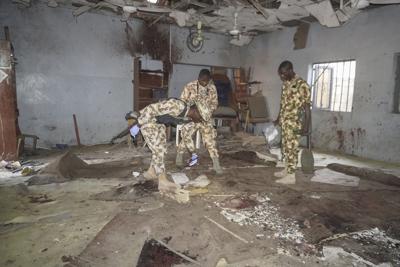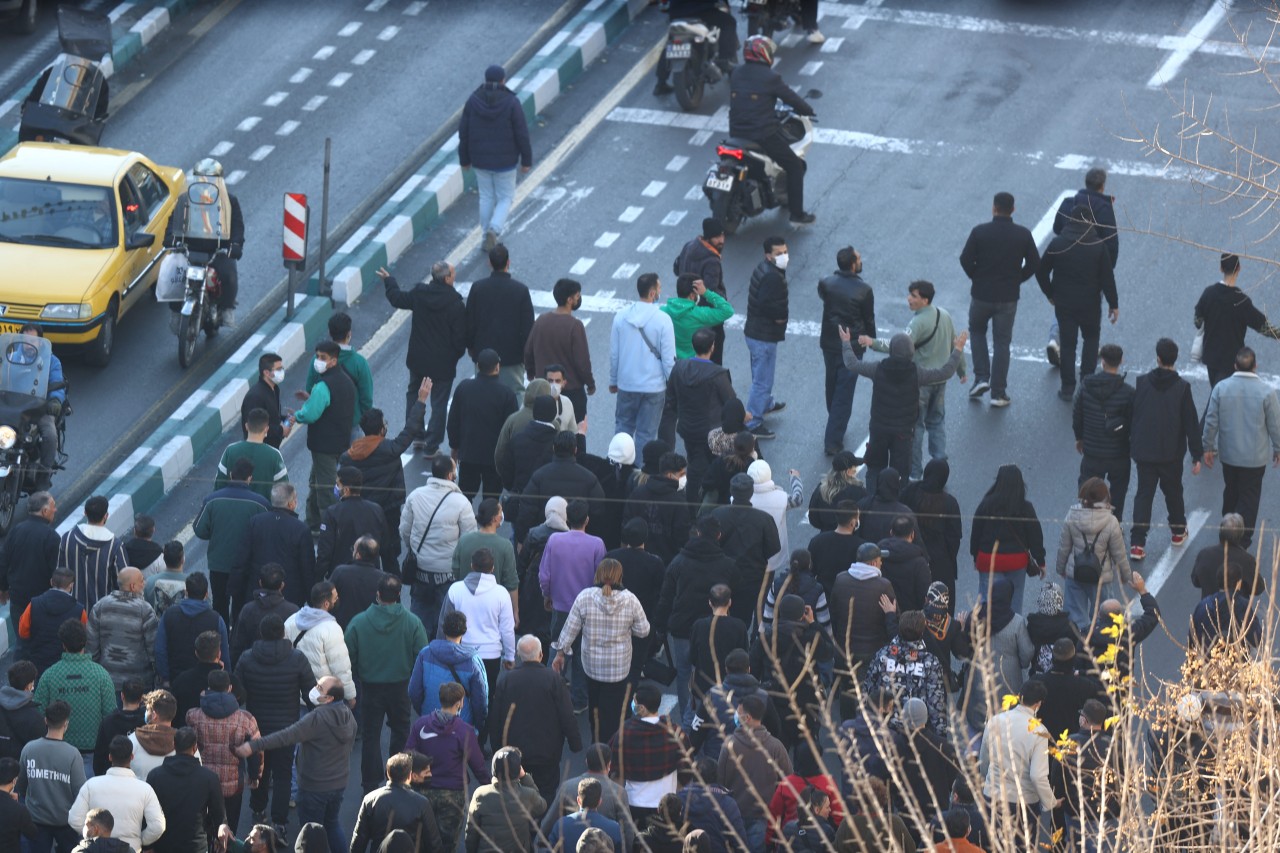
Protests in Iran have intensified, resulting in multiple casualties amid escalating violence on the fifth day of unrest. Demonstrations, which began in response to governmental policies, have now turned deadly as confrontations between security forces and protesters become increasingly aggressive. Reports indicate that at least ten individuals have lost their lives, with hundreds more injured during clashes in cities including Tehran.
The unrest erupted following a series of economic grievances and widespread dissatisfaction with state policies. The protests reflect a growing discontent among the Iranian populace, particularly among the youth, who are demanding greater freedoms and reforms. As the situation deteriorates, hard-liners within the government have signaled their intent to impose a stricter crackdown on demonstrators, warning that they will take decisive action if the protests spiral out of control.
Government Response and International Concerns
In response to the escalating violence, Iranian authorities have deployed additional security forces to key locations across the country. The government has stated that it will not tolerate what it describes as “riots” and has vowed to restore order. This approach is consistent with past responses to civil unrest, which have often involved heavy-handed tactics.
The international community has reacted with alarm to the rising death toll and the government’s potential for increased repression. Human rights organizations have called for restraint, urging Iranian authorities to respect the rights of individuals to peacefully assemble and express their grievances. Amnesty International condemned the use of force against protesters, emphasizing that such actions violate fundamental human rights.
Impact on Society and Future Outlook
The ongoing unrest has significant implications for Iranian society. Many citizens fear that continued violence will deepen divisions within the country and hinder efforts for reform. Reports from various sources indicate that social media platforms have been restricted, further complicating the ability of citizens to organize and communicate.
As protests show no signs of abating, the situation in Iran remains fluid. With hard-liners promising a harsher crackdown, many activists and ordinary citizens are left grappling with the uncertainty of what lies ahead. The potential for further escalation raises concerns about the stability of the region and the future trajectory of Iranian governance.
The unfolding events in Iran are likely to attract increased attention from global leaders and policymakers, as the situation continues to develop. With the international community closely monitoring the situation, the hope remains that a dialogue can emerge, leading to meaningful reforms and a peaceful resolution to the unrest.