BREAKING: The 2025 Willmar Area Christmas Bird Count has recorded a significant milestone with the sighting of common ravens, marking the first time this species has been included in the local count. Veteran birder and co-organizer Joel Schmidt confirmed the sighting of two common ravens during the count held on December 20, 2025. This year’s count also faced an alarming decline in the numbers of Canada geese, with only one observed compared to over 1,100 last year.
This year’s results are particularly notable as they reflect both a new addition and a concerning absence in the local bird population. The count, now in its 64th year locally and the 126th nationally, is organized by the National Audubon Society and has become a cherished tradition among local birders.
Temperatures during the count were relatively mild, ranging from 18 to 25 degrees Fahrenheit. However, recent cold snaps limited open water on local lakes and rivers, likely impacting the goose population. With only one Canada goose counted, this marks a sharp decline from 4,597 two years ago and over 6,000 in peak years.
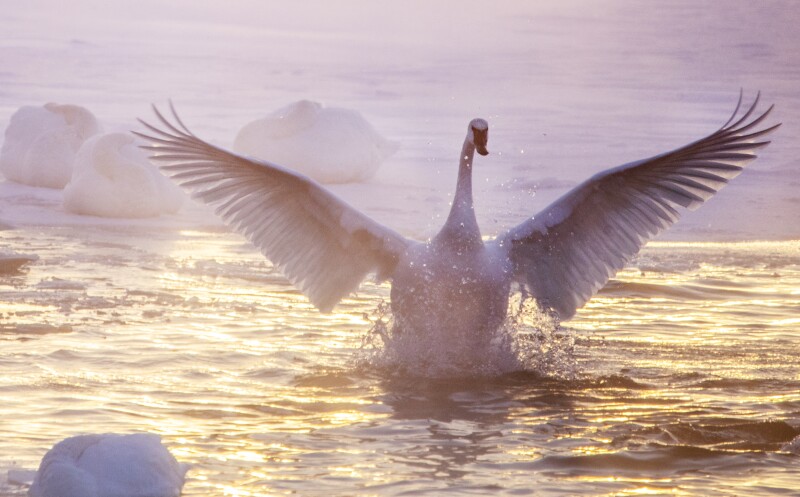
Participants recorded an impressive total of 51 different species and 3,291 individual birds, exceeding the average of 36 species. Among the highlights, cedar waxwings topped the count at 739, followed closely by black-eyed juncos at 456. Additionally, 131 trumpeter swans, 42 mallards, and various other species were documented.
While the new sighting of common ravens is exciting, the absence of Canada geese raises concerns among bird enthusiasts. Schmidt noted, “The limited open water likely explains the scarcity of geese this year.”
The count’s success was bolstered by the efforts of 26 volunteers, who logged 13.75 miles walking and 557.5 driving miles to observe the birds. The community aspect remains strong, with participants gathering for dinner to discuss the day’s findings.
This year’s count was tinged with sadness as longtime participant Dave Lais, aged 87, passed away just two days prior to the event. Lais’s dedication to birding and the outdoors significantly impacted the community, having served as the manager of Sibley State Park for 29 years and hosting count participants for morning coffee at his home. His legacy includes advocacy for local conservation efforts and recognition from the Minnesota Parks and Trails Council.
As the results are compiled and analyzed, birders and conservationists alike are urged to pay attention to these developments. The implications of such changes in bird populations could signal broader environmental shifts.
What’s Next: Birders will continue to monitor local populations, with hopes for recovery in the numbers of Canada geese in future counts. The next bird count is anticipated to bring more surprises and insights into the evolving landscape of avian life in the region.
Stay tuned for further updates on this story and its impact on local wildlife conservation efforts.