Los Angeles is set to see a notable expansion of its cultural landscape on January 1, 2026, as beloved characters and significant works enter the public domain. Iconic figures like Betty Boop and Blondie will join the ranks of Mickey Mouse and Winnie the Pooh, enabling creators to use these characters freely without the need for permission or payment. This transition follows the completion of the maximum 95-year copyright term in the United States, a change that marks a significant moment for advocates of public domain expansion.
The upcoming influx of creative content may not boast the immediate star power of previous years, but it still represents a substantial opportunity for artists and creators. According to Jennifer Jenkins, a law professor and director of Duke University’s Center for the Study of the Public Domain, this year’s batch showcases cultural artifacts that reflect the historical context of the 1930s, particularly the fragility between the two World Wars and the depths of the Great Depression. Jenkins celebrates New Year’s Day as Public Domain Day, emphasizing the cultural richness of this year’s additions.
Cartoons and Comics: The Legacy of Betty Boop and Blondie
Among the notable entries are four classic cartoons featuring Betty Boop, who made her debut in the 1930 short “Dizzy Dishes.” Originally portrayed as a dog, Betty quickly evolved into the Jazz Age flapper recognized today. With her signature look—big eyes, distinctive hairstyle, and playful demeanor—Betty has become a cultural icon. Jenkins notes the potential for new interpretations of Betty’s early character, humorously suggesting a storyline where she is bitten by a radioactive dog, enhancing her backstory.
The character of Blondie, which debuted in 1930 as part of Chic Young’s comic strip, also enters the public domain. Blondie Boopadoop’s adventures alongside her boyfriend, Dagwood Bumstead, have captivated audiences for decades and continue to be published in newspapers today.
Additionally, nine new Mickey Mouse cartoons will also be available, expanding upon the legacy of the character first introduced in “Steamboat Willie.” This year, Mickey will be joined by his dog Pluto, who was originally known as Rover in his early appearances.
Literary Legends and Cinematic Classics
The literary world will welcome several iconic detectives to the public domain as well. Nancy Drew, the teenage sleuth, first appeared in 1930 with “The Secret of the Old Clock.” This series has become a staple for young readers. Sam Spade, the hard-boiled detective from Dashiell Hammett’s “The Maltese Falcon,” and Miss Marple, Agatha Christie’s elderly sleuth, will also be available for reinterpretation.
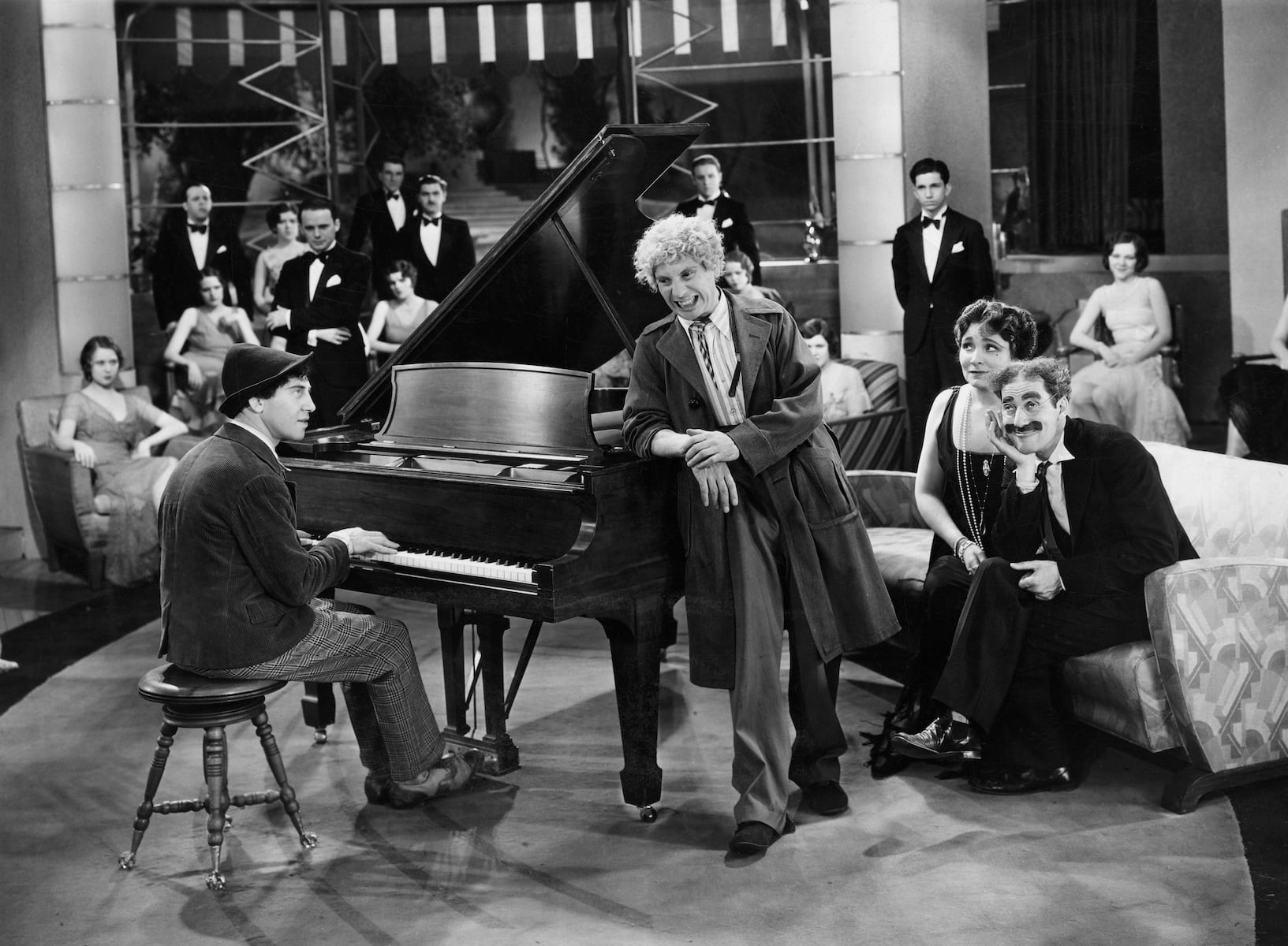
In the realm of cinema, the Marx Brothers’ classic “Animal Crackers” joins the public domain, offering audiences a glimpse into their comedic genius from the early 1930s. Other notable films include “The Blue Angel,” which solidified Marlene Dietrich’s status in film history, and two Academy Award-winning movies, “All Quiet on the Western Front” and “Cimarron.”
As the decade progresses, the public domain is expected to see an increasing number of Golden Age films, with 2027 poised to be particularly significant with the original versions of “Dracula” and “Frankenstein” entering public use.
The music landscape is also set to shift, as several timeless tunes from the Great American Songbook will become available. Classics such as “Embraceable You” and “I’ve Got a Crush on You,” penned by George Gershwin and his brother Ira, will now be free for interpretation.
Overall, the transition of these characters, books, and films into the public domain on January 1, 2026, marks an exciting new chapter for artists, writers, and filmmakers. The legacy of these cultural icons will continue to inspire creativity and innovation in countless new works.