Concerns about the future of Arctic research were voiced by scientists from Alaska during the recent American Geophysical Union conference in New Orleans, which took place from December 15 to 19, 2023. Researchers from the University of Alaska Fairbanks highlighted the impact of significant federal funding cuts on critical research programs vital to understanding environmental changes in the Arctic.
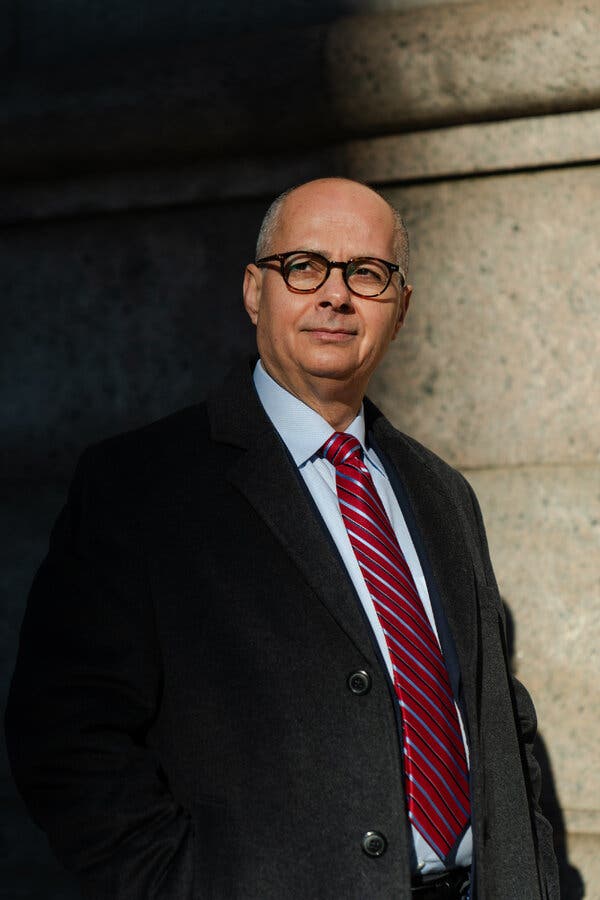
During a panel discussion hosted by the University of Alaska Fairbanks and the research entity UIC Science, Hinzman, a prominent figure in Arctic research, emphasized the challenges facing scientists today. “We’re going through a pretty traumatic time right now,” he stated. “There are tremendous cuts to really important programs that enable scientific research.” He noted that the implications of these cuts extend beyond academia, affecting society as a whole.
The panel featured John Walsh, a fellow scientist at UAF, who elaborated on the consequences of terminated federal observational programs. He explained that the loss of environmental observation capabilities has far-reaching effects on various aspects of life, including food storage and sustainable resource management. “Our society, our culture, our nation needs to stop the bleeding,” Walsh urged, calling for a collective effort to preserve and rebuild the scientific infrastructure that has been lost.
Hinzman and Walsh’s research indicates that funding reductions have led to the elimination of crucial tools, such as weather balloons that gather atmospheric data. This loss directly impacted storm forecasting capabilities, which had already been strained by staffing shortages at the National Weather Service. They reported a noticeable decline in forecasting accuracy as of September 2025, compared to the previous year. “With Arctic coastlines becoming increasingly vulnerable to storms… the economic and societal benefits of forecast-based warnings are becoming increasingly apparent,” the researchers noted.
Despite these setbacks, Hinzman expressed optimism about the future of polar research. “I do believe that the golden era of polar research is behind us, but it’s also in front of us,” he asserted. He emphasized the necessity for society to recognize and support the importance of continued research in the Arctic.
The conference also examined the impact of geopolitical tensions on international scientific collaborations. Hinzman remarked on the challenges faced by young researchers, stating, “It’s a terrible brain drain for us, but I would much rather see that these young researchers find jobs and stay in science.”
According to Bob McCoy, director of UAF’s Geophysical Institute, collaborations with Canadian partners have become strained, though opportunities may arise through defense programs. He also noted that joint research efforts with Russian scientists have significantly diminished since the onset of the war in Ukraine. In the past, Alaska scientists had collaborated with Russian experts on topics such as permafrost and earthquakes. Just prior to the conflict, discussions had taken place regarding methane gas explosions in permafrost, but those efforts have since come to a halt.
On a more positive note, panelists highlighted increasing research collaborations with Greenland and Denmark. These partnerships are seen as vital in addressing the unique challenges faced by the Arctic region.
The importance of engaging Indigenous communities in Arctic research was another focus of the discussions. Researchers at the University of Alaska Fairbanks are increasingly partnering with Alaska’s tribal communities to incorporate local knowledge into scientific investigations. Laura Conner, interim vice chancellor for research at UAF, emphasized the value of combining traditional knowledge with scientific inquiry. “When you bring those two bodies of knowledge together, they’re much stronger,” she explained.
Serina Wesen, outreach engagement manager at UIC Science, noted that residents of Utqiagvik experience daily environmental changes that affect their livelihoods and cultural practices. “This is affecting people’s livelihoods and ways of life, even down to gathering food,” she said. UIC Science has been working to connect with local elders to engage youth in understanding these changes and exploring how science can assist in addressing them.
Wesen concluded with a hopeful perspective on the future: “I think that there’s a way to kind of bring everything together in order to have good hopes and change for the future.”
As discussions continue around the challenges and opportunities in Arctic research, the voices of Alaska’s scientists highlight the urgent need for renewed investment and collaboration to safeguard the future of this critical field.