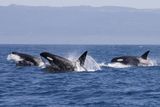
Killer whales off the coast of Hokkaido, Japan, have been identified as belonging to at least two distinct lineages, according to new genetic research published in *Marine Mammal Science*. This study sheds light on the ecological and evolutionary dynamics of orcas in this region, revealing the complexity of their social structures and behaviors.
Research conducted by scientists from Kyoto University and collaborating institutions focused on the mitochondrial genomes of 25 killer whales sampled around Hokkaido. The findings confirmed the presence of two main ecotypes: resident orcas, which primarily feed on fish, and transient orcas, known for hunting marine mammals. This genetic distinction suggests a deeper evolutionary history that may date back to the last Ice Age.
Insights into Orca Populations
Killer whales are classified into different populations known as ecotypes, each representing unique adaptations in hunting, diet, and social interaction. In the North Pacific, three primary ecotypes are recognized: residents, transients, and offshore orcas. While both resident and transient populations can inhabit the same waters, they exhibit minimal interaction due to differing vocalizations, hunting strategies, and parenting approaches.
Previous studies had indicated the presence of both resident and transient orcas in the waters around Hokkaido. However, the genetic data supporting these claims was limited. The new analysis provided clearer insights, showing that all resident orcas shared the same mitochondrial haplotype, while transient whales displayed considerable genetic diversity. Among the 19 transient individuals studied, researchers identified eight distinct haplotypes, including seven previously undocumented variations.
Implications for Conservation Efforts
The genetic diversity observed in transient orcas may be a remnant of the Last Glacial Maximum, when advancing ice sheets altered marine habitats. The waters surrounding Hokkaido could have served as a refugium, allowing transient populations to survive while others diminished or migrated, thereby preserving genetic lineages over millennia.
Understanding these genetic distinctions has significant implications for conservation strategies. In areas with well-studied orca populations, management practices are often tailored to the specific needs of each ecotype. However, such targeted approaches have been challenging around Hokkaido due to a lack of comprehensive ecological and genetic data.
According to Momoka Suzuki, the study’s first and corresponding author, “Clarifying the ecological characteristics of killer whales is crucial for achieving coexistence with them, as they are deeply entwined with human activities such as tourism and fisheries in Hokkaido.”
As researchers continue to integrate genetic data with behavioral observations, the picture of Hokkaido’s orcas becomes clearer. This research not only highlights the complexities of these marine mammals but also emphasizes the broader impacts of climate change and ecological shifts on their populations.
The findings serve as a reminder of the intricate relationships between species and their environments, showcasing how historical events shape current biodiversity. As conservation efforts evolve, understanding the unique traits of orca populations will be essential for ensuring their survival in a rapidly changing world.