AMC’s adaptation of Interview With the Vampire has garnered significant acclaim for its acting and production quality, yet it has sparked debate over its fidelity to Anne Rice‘s original novels. As the series approaches its third season, set to premiere in 2026, critics are acknowledging both the strengths and the notable departures from the source material that characterize this interpretation.
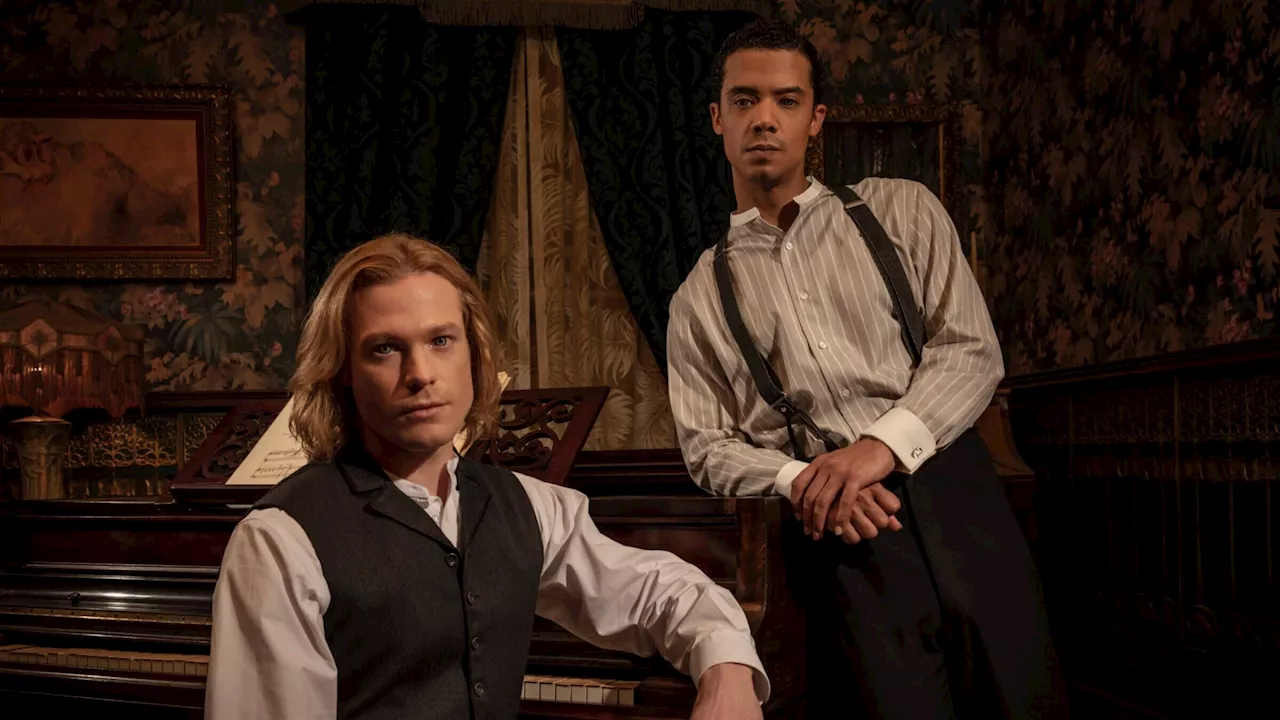
The series, which debuted in 2022, features standout performances by Sam Reid as Lestat de Lioncourt and Jacob Anderson as Louis de Pointe du Lac. Their portrayals have been praised for their depth, bringing to life the complex dynamics of a vampire relationship that is both toxic and deeply human. While the television format allows for a rich storytelling experience, some fans of Rice’s work feel that the adaptation has veered too far from the essence of the novels.
One of the most significant changes is the reimagining of Louis as a queer Black man set in early 20th century New Orleans, a departure from his original characterization as a white French slave owner in the 18th century. This transformation has generally been well-received, as it offers a fresh perspective on the narrative. Anderson’s performance captures the character’s internal struggles, yet the adaptation shifts the focus from Louis’s existential crisis to a narrative centered more on his identity and sexuality.
In the original novels, Louis grapples with profound questions of faith and morality, wrestling with the meaning of his existence. His character’s internal conflict is portrayed as a deep existential dread, stemming from events such as the death of his devout brother, Paul. This philosophical underpinning is largely absent in the series, which emphasizes a more personal struggle rather than a broader contemplation of life and purpose.
The portrayal of Lestat has also shifted considerably. In the novels, he is a complex character—playful yet morally ambiguous—who acts as both a seducer and a tormentor to Louis. Yet in AMC’s series, Lestat is depicted more as a caricature of a charismatic abuser, which alters the intricate power dynamics of their relationship. This shift simplifies the emotional complexity that Rice established between the two characters, reducing it to a more overt expression of male sexuality.
As the series enters its third season, which will delve into the events of Rice’s second book, the dynamics between characters are expected to evolve further. The showrunner, Rolin Jones, has indicated that this new season will shift perspectives from Louis to Lestat. A notable change is the transformation of Lestat’s mother, Gabrielle, to Gabriella, a decision that has raised eyebrows among fans. Jones described this alteration as a means to introduce “feminine vampiric blood” into the narrative, potentially undermining the complexities of Gabrielle’s character as established in the books.
In Rice’s novels, Gabrielle is depicted as a character who defies traditional gender norms, adopting a masculine appearance shortly after her transformation into a vampire. This aspect is essential to understanding her relationship with Lestat and the broader themes of identity within the series. Jones’s comments regarding the character’s femininity suggest a potential oversimplification of Gabrielle’s identity, which could have broader implications for the character’s role in the narrative.
While adaptations often necessitate some deviation from the source material, the essential challenge lies in preserving the core elements that define the original story. Critics argue that AMC’s Interview With the Vampire has, in some ways, created a narrative that resembles fan fiction more than a true adaptation of Rice’s work. The focus on erotic elements and the simplification of character motivations dilute the original story’s depth, raising concerns about the series’ direction in upcoming episodes.
Despite these critiques, the series has undoubtedly achieved recognition as one of the most compelling shows on television. With its high production values and strong performances, it has captivated audiences even as it navigates the complexities of adaptation. As fans await the third season, there is hope that the creative team will handle the evolving narratives with the nuance and sensitivity that Anne Rice‘s work deserves.