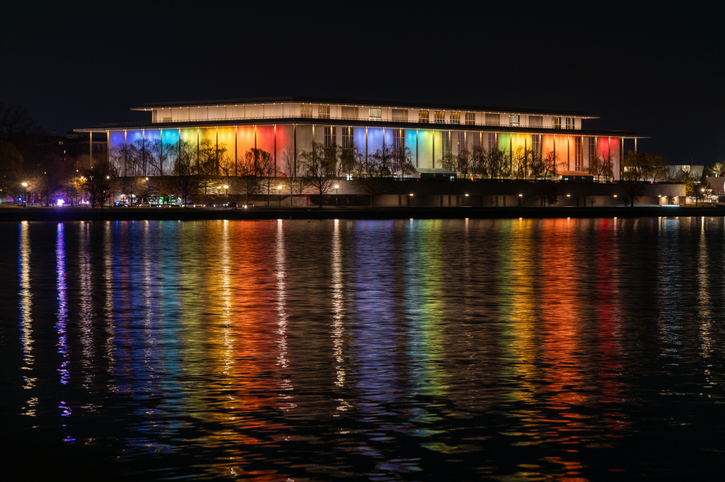
In a surprising twist in the ongoing cultural dispute surrounding the Kennedy Center, a writer from the animated series South Park has purchased several domain names linked to a Trump-associated version of the iconic arts institution. This move appears to counter former President Donald Trump’s efforts to reshape the Kennedy Center, which include proposals for renaming and promoting Trump-branded enhancements.
According to Variety, the writer acquired multiple web domains referencing the “Trump Kennedy Center,” preemptively addressing what many anticipate could evolve into an extensive branding campaign. This action follows Trump’s recent social media posts expressing his desire to leave a lasting impression on the cultural landmark, notably a Truth Social post boasting about “marble armrests” that he claimed were “unlike anything ever done or seen before.”
Satirical Response Highlights Irony
Among the purchased domains, trumpkennedycenter.org directs visitors to a satirical landing page that humorously critiques Trump’s branding ambitions. The page features playful messaging that mocks the president’s attempts to transform what is traditionally a symbol of prestige into a source of public amusement. This clever twist serves to underscore the irony of the situation, as it reflects the ongoing cultural dialogue regarding the intersection of politics and the arts.
While the domain acquisitions themselves are legal and relatively inexpensive, they reveal the rapid escalation of political branding conflicts into the digital realm. Supporters of Trump are focused on symbolic gestures, such as renaming and aesthetic changes, while critics have raised concerns about whether these moves genuinely indicate a commitment to arts funding or governance.
Culture Wars in the Digital Age
The involvement of a South Park writer adds a layer of irony, given the show’s history of incisively critiquing American politics and cultural excess. The series has not shied away from openly satirizing the current administration. Although the domain purchase seems to be a private initiative rather than an organized campaign, it highlights how the dispute over the Kennedy Center has become a target for satire.
This episode illustrates a broader trend in which culture-war skirmishes increasingly unfold online, where control of names and web domains can be as significant as official decisions. Currently, several lawsuits are underway challenging the legality of altering the landmark’s name. For now, the Trump-associated Kennedy Center exists more prominently in web addresses and social media conversations than in formal policy.
It remains uncertain whether the newly acquired domains will be actively used, redirected, or merely held for future purposes. What is evident is that the battle over a performing arts institution now encompasses a digital land grab, with satirical commentary emerging even before any formal branding initiatives are realized.