URGENT UPDATE: Dracut residents are grappling with significant issues as the town’s 140 unaccepted streets continue to cause frustration and confusion. At the Board of Selectmen meeting on December 12, 2023, Ed Patenaude, the director of the Dracut Department of Public Works, revealed the challenges faced by taxpayers when he must inform them, “there’s nothing I can do” about their unaccepted streets.
Residents are discovering, often too late, that their roads are not officially recognized, leading to a lack of municipal services. Patenaude explained that many streets remain unaccepted due to procedural errors during development, such as premature bond returns to contractors before completion of all required work. This has left many residents, including one who described his street as “an embarrassment to the town,” feeling frustrated and neglected.
The financial implications are significant as the town’s compliance with the MBTA Communities Act could impact state reimbursements for road repairs under Chapter 90. This program provides essential funding for local public way improvements, and delays or noncompliance could hinder necessary repairs.
The last comprehensive street inventory was published in 2019, with a new update scheduled for 2026. This inventory will inform a five-year road repair plan addressing the 147 miles of unaccepted streets in Dracut. Patenaude indicated that the Department aims to get five to seven streets accepted each year, a daunting task given the extent of the issue.
Residents’ frustrations are palpable. Many are paying taxes while feeling deprived of basic services on their unaccepted streets. “I pay my taxes,” they express to Patenaude, demanding accountability and action. The Department of Public Works is responding by gathering data and assessing the conditions of each road, ranking them from Level 1 to Level 5 based on their state of repair.
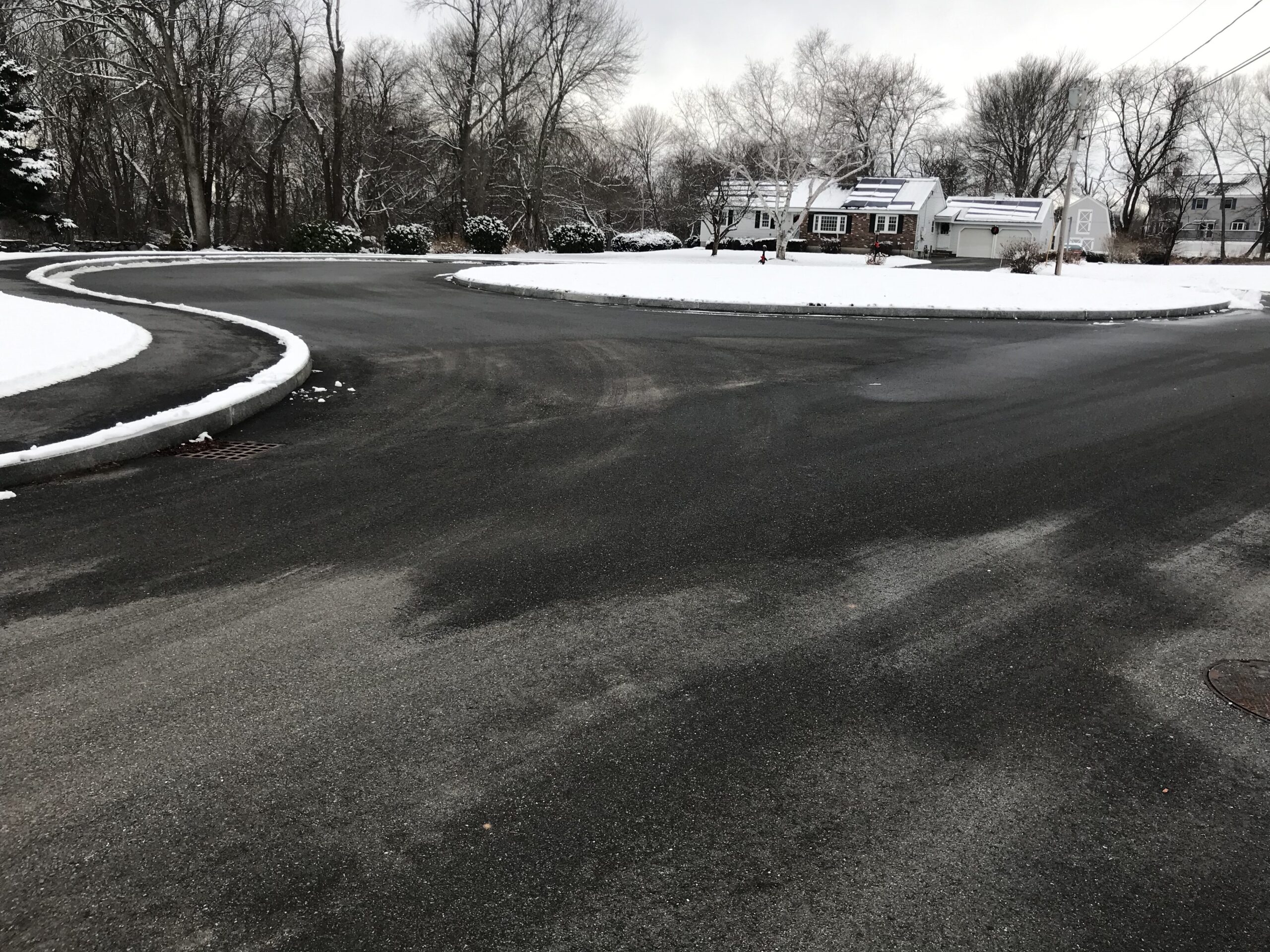
SELECTMAN TONY ARCHINSKI highlighted Tally Ho Drive as a critical example of an unaccepted street badly in need of reconstruction. Recent resurfacing efforts were funded by the federal American Rescue Plan Act, without which no further work would have been feasible.
With the recent news that 10 more streets have finally been accepted, Dracut stands to benefit from increased funding from the state. However, some unaccepted streets are so narrow and aged that bringing them up to current standards may present a significant challenge for the DPW.
As the situation develops, residents are urged to stay informed about changes and updates regarding the status of their streets. The pressing need for infrastructure improvements is evident, and the town’s leadership is committed to addressing these long-standing issues head-on.
Patenaude’s assurances of ongoing collaboration with state authorities may offer hope, but the urgency for resolution remains high. Residents and officials alike watch closely as Dracut navigates these critical challenges in the face of mounting public concern.