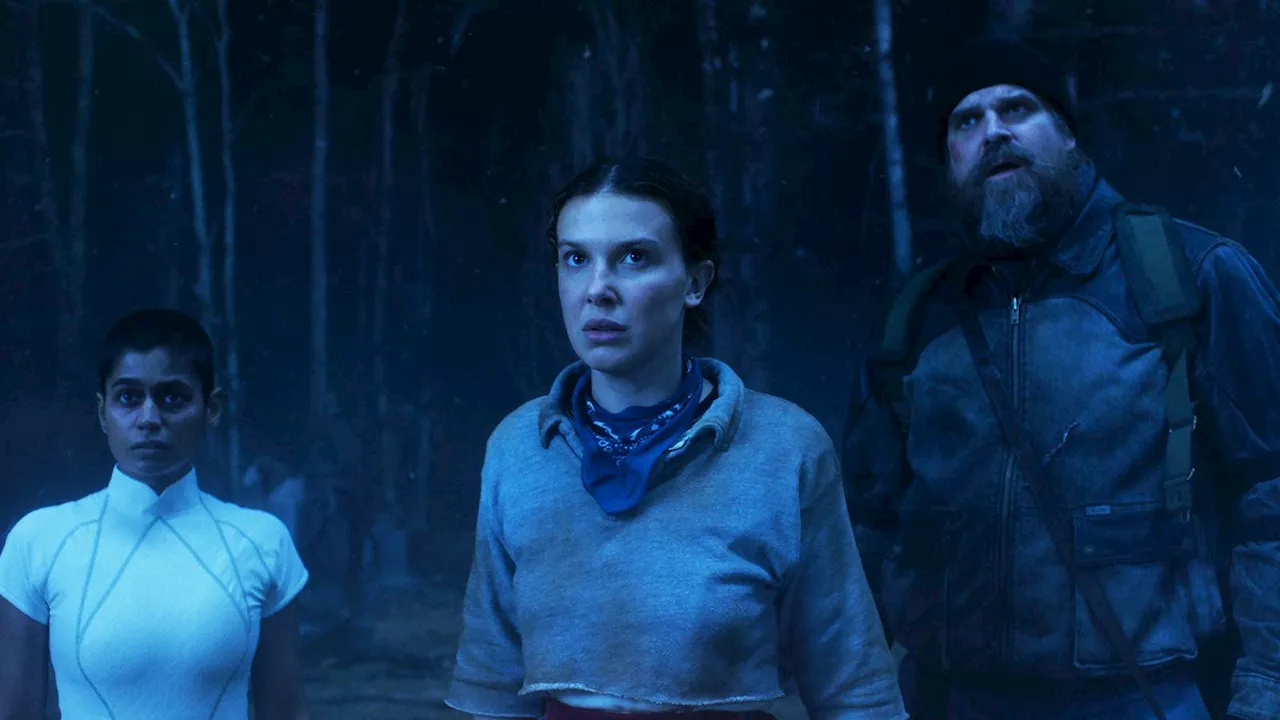
The fifth season of Stranger Things has taken a bold step by revealing that the Upside Down, a key element of the series since its inception, is not merely an alternate dimension but a wormhole to a mysterious realm named “The Abyss.” This revelation, particularly highlighted in the episode titled “The Bridge,” alters the understanding of the series’ narrative and the true nature of its villains.
Dustin, one of the show’s central characters, uncovers that the Upside Down is a bridge to The Abyss, where significant events have unfolded. It was here that Henry Creel transformed into the malevolent being known as Vecna after being banished by Eleven. This twist complicates the narrative, suggesting that the real antagonist is not just Vecna, but the darker impulses of humanity and the scientists who manipulate children for power.
The season reveals that Eleven inadvertently created the Upside Down while searching for Vecna under the orders of Dr. Brenner. This act initiated a series of tragic events, including Vecna’s ability to infiltrate Hawkins, as well as his tormenting of Will Byers during the first season. Will’s psychic connection to the Upside Down mirrors Eleven’s abilities, setting the stage for a confrontation that emphasizes the bond between the characters.
One of the pivotal moments occurs when Eleven discovers her “sister,” Kali, who reveals that Dr. Kay is conducting experiments similar to those of Brenner, using her blood to create superpowered beings. This disturbing parallel highlights the ongoing cycle of manipulation and exploitation at the heart of the series. As the characters confront these realities, they prepare to challenge the cycle of darkness that has plagued Hawkins.
The potential for a significant sacrifice looms over the series, as Kali suggests that the only way to eradicate Vecna’s threat is to destroy the Upside Down entirely, even if it means remaining within it. This idea raises questions about the responsibilities placed on Eleven, who has endured immense pressure from the adults meant to protect her.
In a recent discussion with Variety, series co-creator Matt Duffer explained that the concept of the Upside Down being a wormhole was part of their vision from the beginning. Inspired by the Teenage Mutant Ninja Turtles, the Duffer brothers developed a mythology document to clarify the nature of the Upside Down, emphasizing the importance of maintaining mystery within the storyline.
As the final season unfolds, Stranger Things continues to explore its central themes, revealing that some of the most significant evils stem from human choices rather than supernatural forces. The journey of the characters reflects a broader commentary on the darker aspects of humanity and the complex dynamics of power, sacrifice, and growth.
With the series finale approaching, fans are left anticipating how the story will resolve the intricate threads woven throughout its five seasons. The evolution of the Upside Down and the motivations of its inhabitants promise to deliver a gripping conclusion to this beloved series.