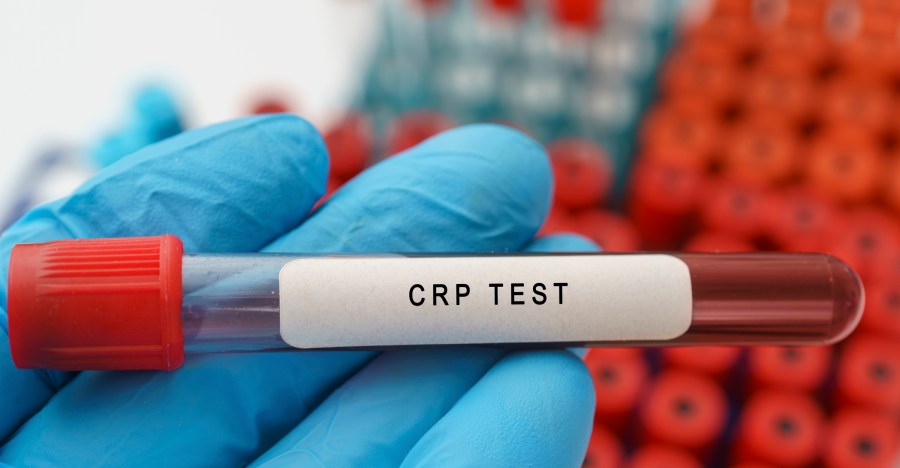
Heart disease remains the leading cause of death in the United States, underscoring the importance of effective risk assessment. Recent findings indicate that C-reactive protein (CRP), a marker of inflammation, has emerged as a more significant indicator of heart disease risk compared to traditional assessments based on cholesterol levels. This shift in understanding could reshape how healthcare providers evaluate and manage cardiovascular health.
Research dating back to the 1950s established a clear link between diet, cholesterol, and heart disease. For decades, cholesterol levels measured through routine blood tests have been a primary focus in assessing heart disease risk. However, accumulating evidence suggests that CRP may provide a more accurate reflection of an individual’s heart disease risk profile.
New Insights into Heart Disease Risk Assessment
Recent studies highlight the role of inflammation in cardiovascular health, leading scientists to prioritize CRP levels alongside cholesterol measurements. CRP is produced by the liver in response to inflammation, and elevated levels can indicate underlying health issues, including heart disease. Researchers have found that high CRP levels correlate with an increased risk of heart attacks and strokes, making it a valuable tool for risk assessment.
A pivotal study published in a leading medical journal demonstrated that individuals with elevated CRP levels were at a significantly higher risk of cardiovascular events, regardless of their cholesterol levels. This revelation compels healthcare professionals to consider CRP testing as a standard practice in heart disease risk evaluation.
Moreover, healthcare guidelines are beginning to reflect this shift. The American Heart Association has started to recommend CRP testing for individuals at intermediate risk of heart disease. This change aims to enhance preventive measures and tailor treatment strategies, potentially saving lives.
Implications for Patient Care
The implications of prioritizing CRP over cholesterol are profound. For patients, this shift could lead to more individualized care plans. Those with high CRP levels but normal cholesterol may receive targeted interventions to address inflammation, thereby reducing their risk of heart disease.
Additionally, this new focus could influence public health initiatives aimed at reducing cardiovascular disease. By promoting awareness of CRP and its implications, health organizations can encourage lifestyle changes that lower inflammation, such as improved diet, increased physical activity, and smoking cessation.
As the medical community continues to explore the relationship between inflammation and heart health, it is crucial for patients to engage in informed discussions with their healthcare providers about their individual risk factors. Understanding the significance of CRP could empower individuals to take proactive steps in managing their cardiovascular health.
In conclusion, the emergence of C-reactive protein as a leading heart disease risk marker marks a significant advancement in cardiovascular medicine. By integrating CRP testing into routine assessments, healthcare professionals can enhance their ability to identify at-risk individuals and implement effective preventive strategies, ultimately contributing to better health outcomes.