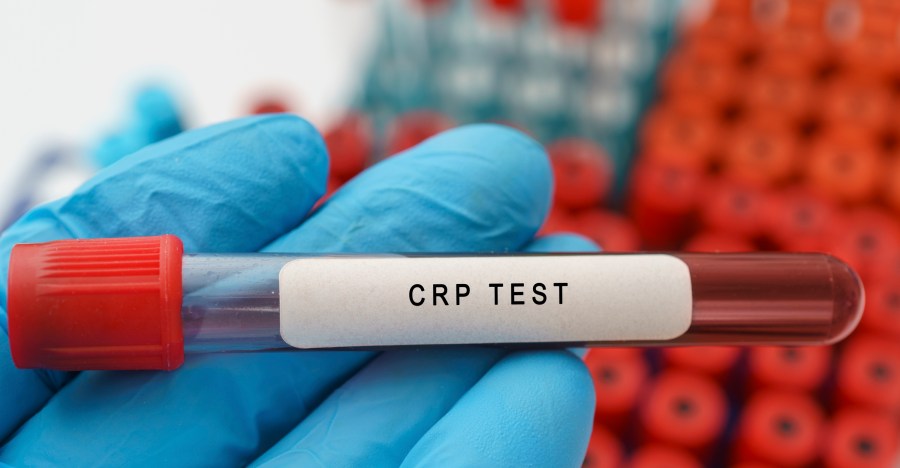
BREAKING: New research confirms that C-reactive protein (CRP) has surpassed traditional measures like ‘bad’ cholesterol as the leading risk marker for heart disease. This significant development reshapes how healthcare professionals assess cardiovascular risk, with urgent implications for millions across the United States.
Heart disease remains the top cause of death in the U.S., driving the need for effective risk assessment tools. For decades, cholesterol levels have been the primary focus in evaluating heart disease risk. However, recent findings show that CRP levels provide a more accurate indication of potential heart-related issues, according to researchers.
The study highlights that CRP, a protein produced by the liver in response to inflammation, can be routinely measured through simple blood tests, much like cholesterol. This shift in focus is critical as it may lead to earlier interventions and potentially save lives. As healthcare providers adapt their practices, understanding CRP’s role becomes increasingly vital for patients and medical professionals alike.
Researchers emphasize that elevated CRP levels are linked to inflammation, a key contributor to heart disease. This new understanding encourages a broader approach to heart health, urging both doctors and patients to prioritize inflammation monitoring in their health check-ups.
The medical community is reacting swiftly to this groundbreaking revelation. Experts indicate that integrating CRP testing into routine evaluations could significantly alter treatment plans, allowing for personalized strategies that address the underlying causes of heart disease rather than merely managing symptoms.
As this news spreads, patients and healthcare providers are urged to stay informed. With heart disease claiming around 697,000 lives annually in the U.S., adapting to this new risk assessment could have profound implications for public health.
What happens next? Health officials are expected to release updated guidelines that emphasize CRP testing. Stay tuned as healthcare providers work to incorporate these findings into routine practices, potentially transforming the landscape of cardiovascular care.
This urgent shift emphasizes the importance of addressing inflammation in heart health, making it crucial for everyone to engage in discussions about their cardiovascular risks with their healthcare providers. The time for change is now, and understanding the role of C-reactive protein could be a game-changer in the fight against heart disease.