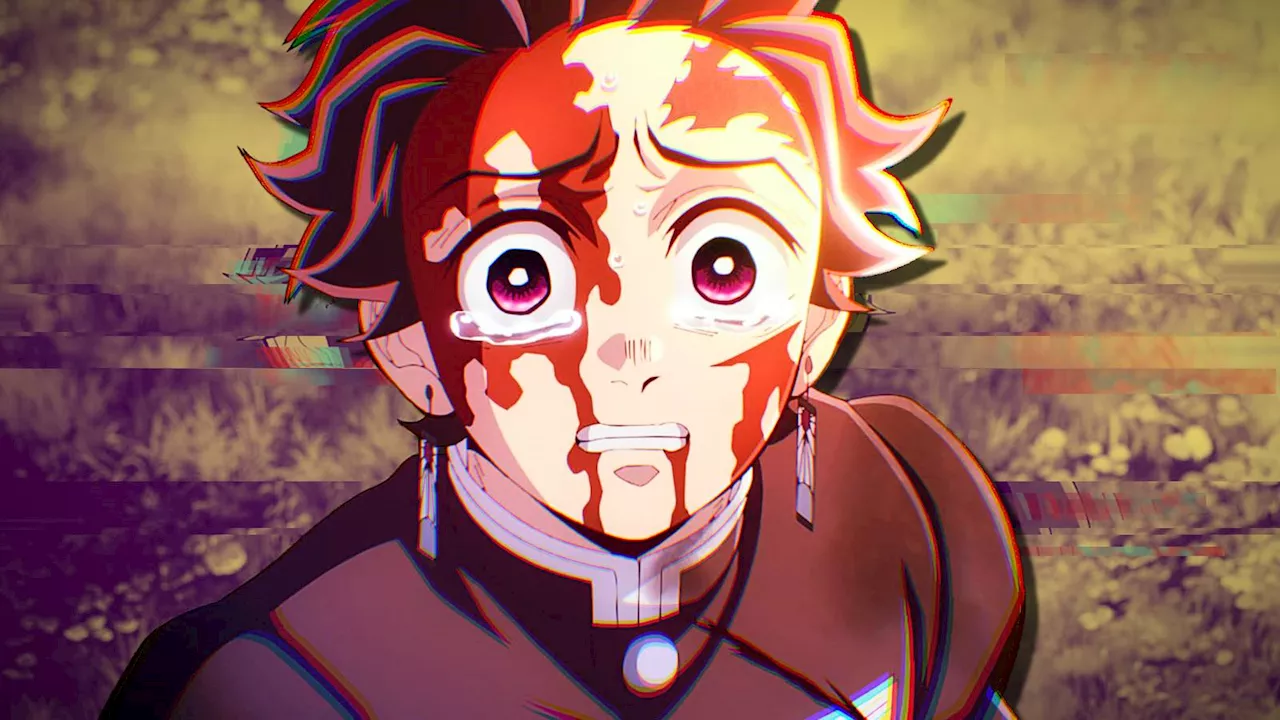
The anime industry experienced remarkable growth in 2025, with major titles like Demon Slayer, My Hero Academia, and Solo Leveling dominating streaming platforms. Notably, films such as Demon Slayer: Infinity Castle and Chainsaw Man – The Movie: Reze Arc showcased anime’s ability to compete with Hollywood blockbusters. As anime culture gains traction, Hollywood is increasingly taking notice, exemplified by director Chloé Zhao being appointed to lead Kodansha Studios, a venture focused on adapting iconic works like Attack on Titan and Ghost in the Shell. Despite this success, the industry faces significant challenges that could jeopardize its future.
Labor Issues Threaten Future Growth
While 2025 marked a banner year for anime fans, it painted a different picture for those working in the industry. A study conducted by The Nippon Anime & Film Culture Association in 2024 revealed that approximately 40% of anime industry workers earn less than ¥2.4 million annually. This figure contrasts starkly with Japan’s average salary of around ¥7.7 million, highlighting the financial difficulties faced by many animators. Furthermore, long working hours have become a norm, with studios like MAPPA coming under fire for alleged overworking practices. Despite public outcry, improvements for animators remain uncertain.
2025 also witnessed an unprecedented staffing shortage in the anime sector, which has adversely affected production schedules for anticipated projects such as Demon Slayer: Infinity Castle Part 2 and Solo Leveling season 3. With a shrinking workforce, studios like Ufotable and A-1 face increasing pressure to deliver high-quality content amid mounting fan expectations.
Quality Expectations and AI Controversies
As the visual quality of anime continues to rise, studios are under pressure to meet the heightened standards set by fans. While many fans appreciate the advancements in animation, such as those seen in productions from MAPPA, the fallout can be severe when expectations are not met. The third season of One-Punch Man serves as a prime example, receiving one of the lowest ratings in anime history, which led to online harassment directed at its creators.
The high demand for quality has forced studios to reconsider their production strategies. For instance, One Piece is transitioning from a weekly release schedule to a seasonal format in 2026. This shift reflects the industry’s struggle to balance quality with the available workforce.
The rise of generative AI remains a contentious topic. While it has not played a significant role in major anime projects, its introduction in smaller works, such as WIT Studio’s short film The Dog & The Boy, has received criticism for poor visual quality. Additionally, initiatives like Amazon’s AI dubbing for Banana Fish faced backlash for lacking emotional depth and authenticity. Despite these failures, some industry leaders view AI as a potential solution to labor shortages, a perspective that raises ethical concerns among creators.
The current state of the anime industry indicates that while the medium has solidified its place in global pop culture, it must address its internal challenges to ensure long-term viability. With financial incentives driving production, as seen with Demon Slayer nearing the $1 billion mark at the box office, the industry is unlikely to disappear. However, without reforming labor practices and fostering a new generation of creators, the future of anime could become less innovative and more constrained.
Addressing these systemic issues will be crucial for the anime industry to thrive in a competitive landscape. As the landscape continues to evolve, stakeholders must collaborate to improve conditions and ensure the sustainability of this beloved art form.