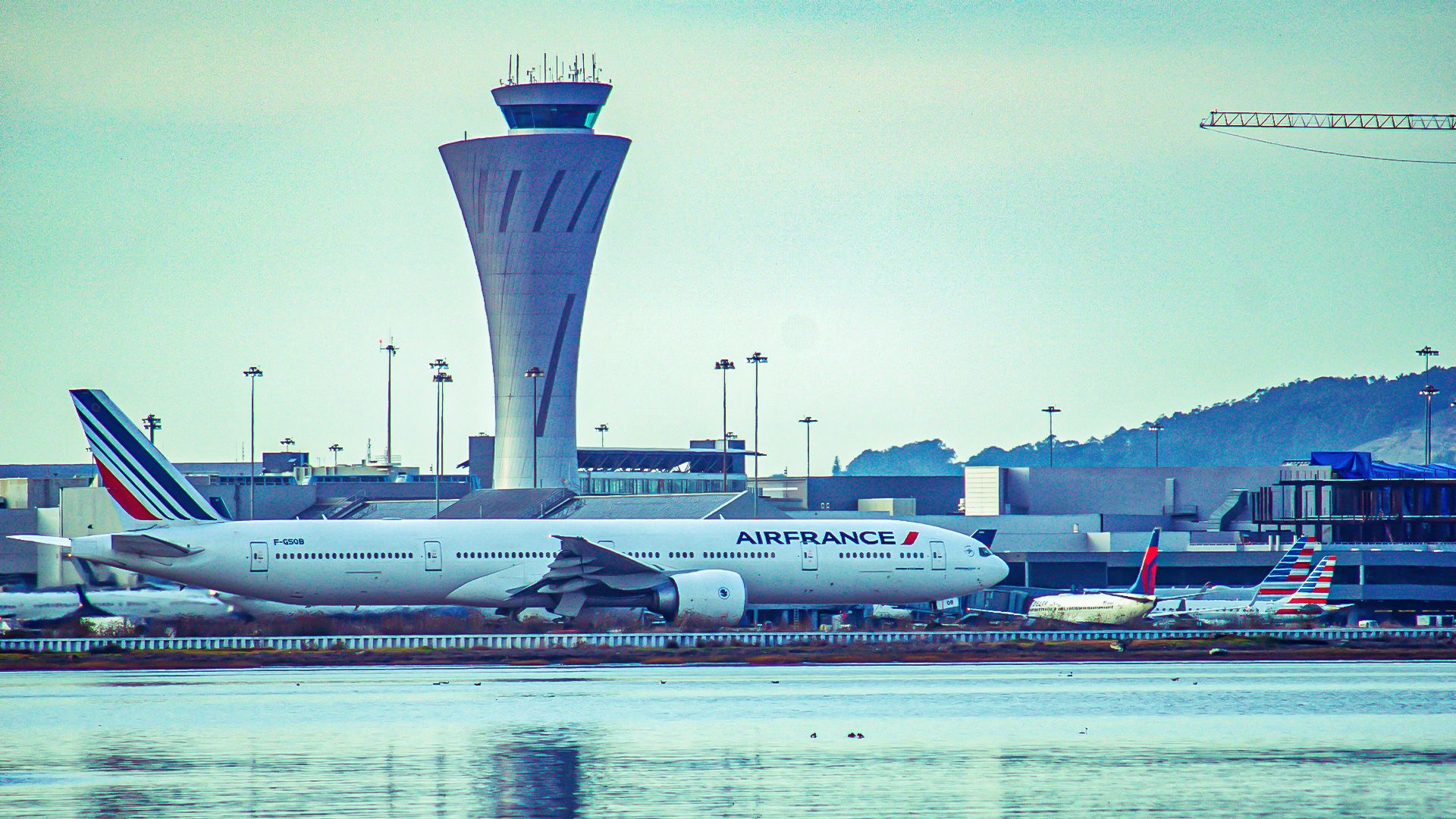
The air traffic control (ATC) system in the United States is undergoing a significant modernization effort aimed at addressing long-standing issues of inefficiency and capacity constraints. The Federal Aviation Administration (FAA) and the Department of Transportation (DOT) have awarded a contract valued at up to $32.5 billion to Peraton, a Virginia-based technology firm, to lead this extensive project. The goal is to complete these upgrades by the end of 2028, a timeline that many experts consider ambitious.
Modernization Contract Details
The contract with Peraton marks the largest aviation infrastructure project in decades. Initially, the company received a down payment of $12.5 billion, with additional funds subject to Congressional approval. Secretary of Transportation Sean Duffy expressed confidence in the project’s timeline, highlighting its potential to transform America’s ATC capabilities. The contract is unique in its structure, rewarding Peraton for good performance while imposing penalties for delays, a departure from traditional contracting practices in the aviation sector.
Peraton was chosen over other candidates such as Parsons Corporation and IBM, thanks in part to its expertise in technology integration and prior successful collaborations with government entities. The FAA began soliciting proposals in August 2025, and the selection process culminated with Peraton being named the prime integrator for this crucial modernization effort.
Addressing Systemic Challenges
The urgency for this modernization stems from persistent operational challenges within the current ATC system. In 2025, the FAA reported that flight delays due to ATC equipment issues were three times higher than the average from 2010 to 2024. Notable incidents, such as blackouts at the Philadelphia TRACON facility, were attributed to outdated infrastructure, including aging copper wiring.
The modernization project aims to replace not only outdated equipment but also to enhance the overall efficiency of air traffic management. Planned upgrades include the installation of 5,170 high-speed network connections, 27,625 new radios, and the establishment of new weather stations in Alaska, among other improvements.
Retired air traffic controller James Gillman remarked on the significance of this project, stating, “Peraton may be the breakthrough needed to finally get the connectivity and modernization that we’ve talked of for many, many decades.”
While the modernization of equipment is a crucial step, it does not fully resolve the issue of staffing shortages at control towers. Currently, controllers at major airports frequently work extended hours, and the FAA has set a goal to hire 8,900 controllers by 2028. This hiring initiative may be supported through enhanced training programs at select universities.
The modernization effort is not without skepticism. Retired air traffic controller Steve Meitz expressed doubts about meeting the 2028 deadline, noting the FAA’s historically challenging track record with large-scale projects. The extensive nature of the US ATC system, combined with funding approvals and the need for coordination among various suppliers, adds layers of complexity to the project.
As the aviation industry grapples with the implications of this overhaul, the focus remains on improving safety, efficiency, and capacity. The planned upgrades promise to enhance the reliability of air travel, which has become increasingly problematic amid growing demand and operational challenges.
The successful implementation of this project could serve as a pivotal moment for the US aviation system, transforming the way air traffic is managed and significantly impacting the travel experience for millions of passengers each year.