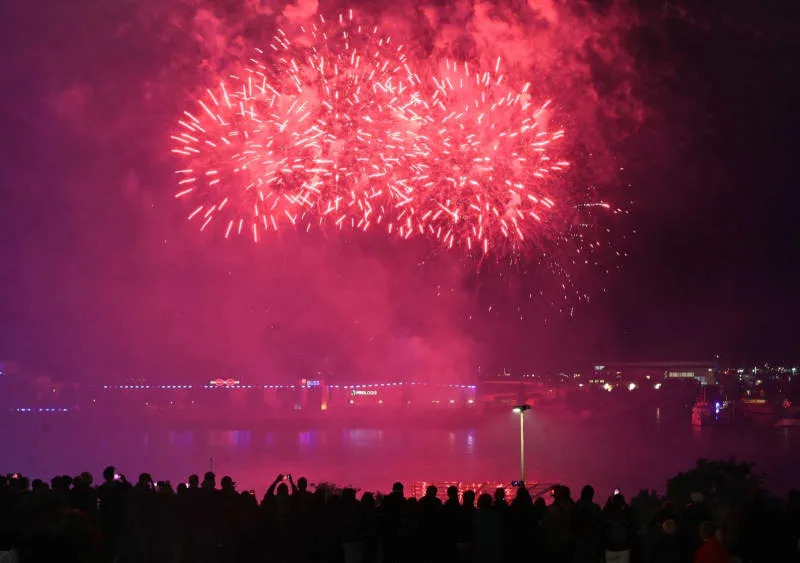
As New Year’s Eve approaches, demand for fireworks in Germany is on the rise, with major manufacturers reporting increased supplies despite ongoing criticism of the industry. According to WECO, the country’s largest fireworks producer, the availability of rockets, firecrackers, and other pyrotechnics is set to increase by approximately 10% this year compared to last. COMET, a rival manufacturer, has also noted a moderate increase in supply, reflecting a broader trend in the German pyrotechnics market.
Growing Industry Amid Environmental Concerns
The German Association of the Pyrotechnics Industry anticipates a continued rise in fireworks availability, particularly during the sales window from December 29 to 31. Unsold inventory is typically returned to manufacturers, yet WECO has reported a lower-than-expected return rate from last year. Based in Eitorf and Kiel, WECO employs around 260 people and generated a turnover of over €136 million ($160 million) in the 2023-24 fiscal year. Despite its size, the company produces only 15% of the fireworks it sells, relying heavily on imports from China for the remainder of its products.
Klaus Gotzen, head of the pyrotechnics sector association, has observed a growing trend toward combined fireworks displays, where a single fuse ignites a box that launches multiple fireworks, creating a longer-lasting spectacle. This innovation aligns with the industry’s strategy to attract more consumers, even as the debate over fireworks usage intensifies.
Public Sentiment Divided Over Fireworks
While many Germans enjoy the tradition of celebrating New Year’s with fireworks, there is significant opposition from animal welfare and environmental groups. Critics argue that fireworks frighten wildlife, leading to energy depletion among animals that need to survive the winter. In urban areas, celebrations have been likened to war zones, with debris and pollution also raised as concerns.
The GdP police union has voiced support for a fireworks ban, citing increasing incidents of violence against police officers involving fireworks. The union’s stance highlights the growing tensions surrounding public safety during New Year’s Eve celebrations.
The ongoing debate has led to disagreements among the interior ministers of Germany’s 16 states, making a unified approach to potential bans challenging. A recent court decision overturned a ban on private fireworks displays on the German North Sea island of Föhr, illustrating the complexities of enforcing such regulations.
Despite the criticisms, WECO‘s head of sales, Oliver Gerstmeier, argues that the rising demand for fireworks indicates that most people do not support a ban. He stated, “Ringing in the New Year with a colourful firework is a beautiful thing for many people. One should respect that instead of discrediting it with repeated debates on a ban.” This sentiment reflects a broader belief within the fireworks industry that pyrotechnics are an essential aspect of New Year’s Eve festivities in Germany.
According to the industry association, the issues surrounding fireworks are often caused by “only a small number of troublemakers and rioters in a few major cities,” suggesting that the majority of fireworks enthusiasts engage in the tradition responsibly. As the New Year approaches, it remains to be seen how the public’s mixed feelings will influence the future of fireworks in Germany.