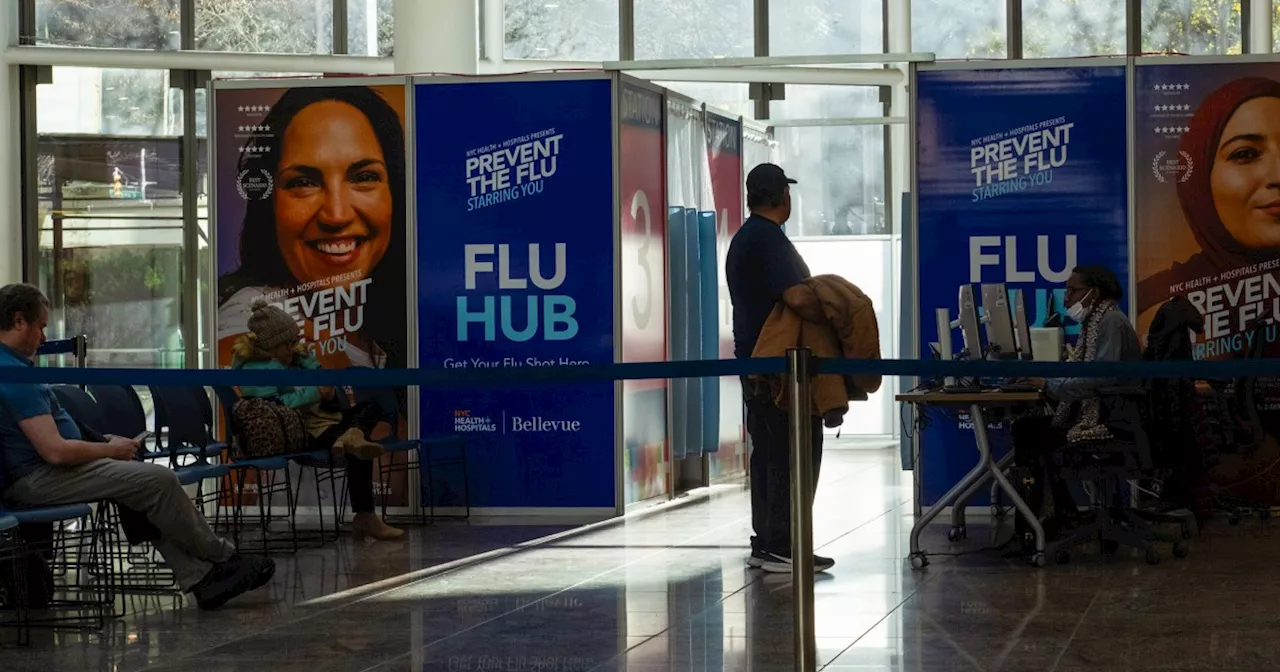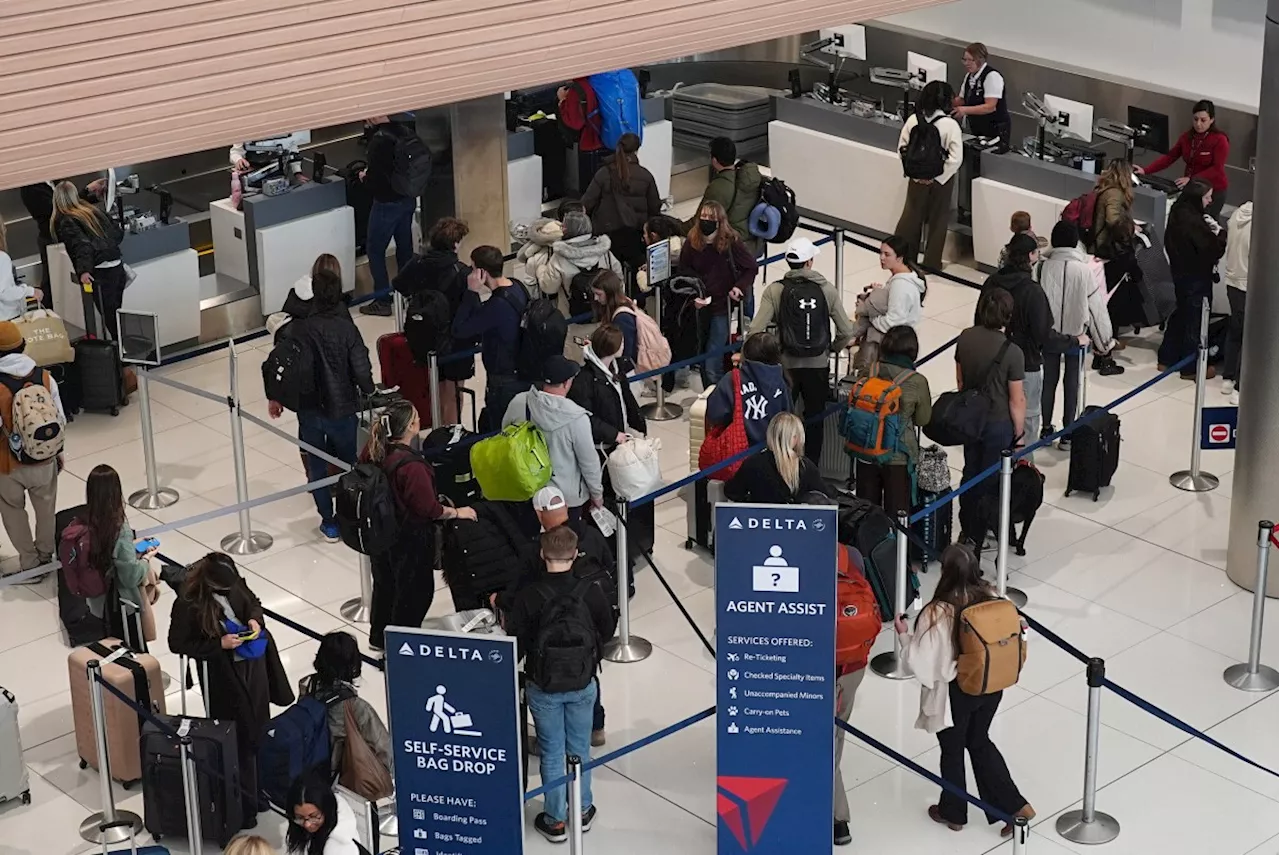
Health officials are sounding alarms as cases of flu and norovirus surge just ahead of the holiday travel period. This year’s flu season is significantly influenced by the newly identified H3N2 subclade K strain, which has contributed to a rise in infections across the United States. With holiday travel expected to reach record numbers, the risk of outbreaks among families gathering to celebrate is heightened.
The H3N2 subclade K strain has become the dominant influenza strain, accounting for approximately 89 percent of all H3N2 infections tested since late September, according to genetic sequencing data from the Centers for Disease Control and Prevention (CDC). This subclade emerged after the 2025-26 flu vaccine was formulated, raising concerns about a potential mismatch in vaccine effectiveness. While typical symptoms—such as fever, chills, and severe fatigue—remain consistent, the reduced vaccine match may lead to an increase in infections and more severe cases.
As of mid-December, the CDC reported an estimated 4.6 million flu cases, 49,000 hospitalizations, and 1,900 deaths in the U.S. for the current season. Notably, the number of positive cases surged from 8.1 percent to 14.3 percent from the week ending December 6 to the week ending December 13. This upward trend has prompted some school districts, particularly in areas with significant outbreaks, to temporarily close or shift to remote learning.
Norovirus Cases on the Rise
In addition to flu, norovirus infections are rapidly increasing, with wastewater data indicating a nationwide rise of 69 percent in viral concentrations since October. The WastewaterSCAN platform categorized the national risk as “high” this month, with most outbreaks concentrated in the Northeast and Midwest, particularly in states like Illinois and Texas. The CDC noted nearly 14 percent positivity in recent clinical tests by mid-November, which is double the rate observed three months earlier.
Schools are experiencing significant impacts from these outbreaks, with reports of high absentee rates due to flu-like symptoms. For instance, in Marin County, California, about one-third of students were absent because of flu symptoms, leading to temporary e-learning measures in some districts. New York City schools also reported declining attendance amid a surge in pediatric flu cases, prompting many institutions to implement enhanced cleaning protocols ahead of the winter break.
Holiday Travel and Public Health Recommendations
The upcoming holiday travel season is anticipated to be the busiest on record, with the American Automobile Association (AAA) projecting that 122 million Americans will travel between December 20 and January 1. Crowded airports and family gatherings create ideal conditions for the transmission of viruses. Health officials are urging individuals to remain vigilant by staying home when symptomatic, practicing thorough hand hygiene, and getting vaccinated against influenza and COVID-19. Despite some concerns about the current vaccine match, officials emphasize that vaccination can still significantly reduce the likelihood of severe illness and hospitalization.
Dr. Farrell Tobolowsky, medical director for communicable diseases at the San Francisco Department of Public Health, advised individuals, particularly those at higher risk for severe illness, to seek testing and treatment promptly if they exhibit symptoms. Virologist Andy Pekosz from the Johns Hopkins Bloomberg School of Public Health remarked on the flu strain’s infectious nature, stating, “Symptom-wise, nothing that we know is different about this virus outside of the fact that it’s just going to be able to infect more people.”
As the holiday season approaches, the CDC, along with state and local health agencies, will continue to monitor viral trends closely. With many Americans returning home after their travels, officials anticipate potential spikes in cases, underscoring the critical need for public health measures.