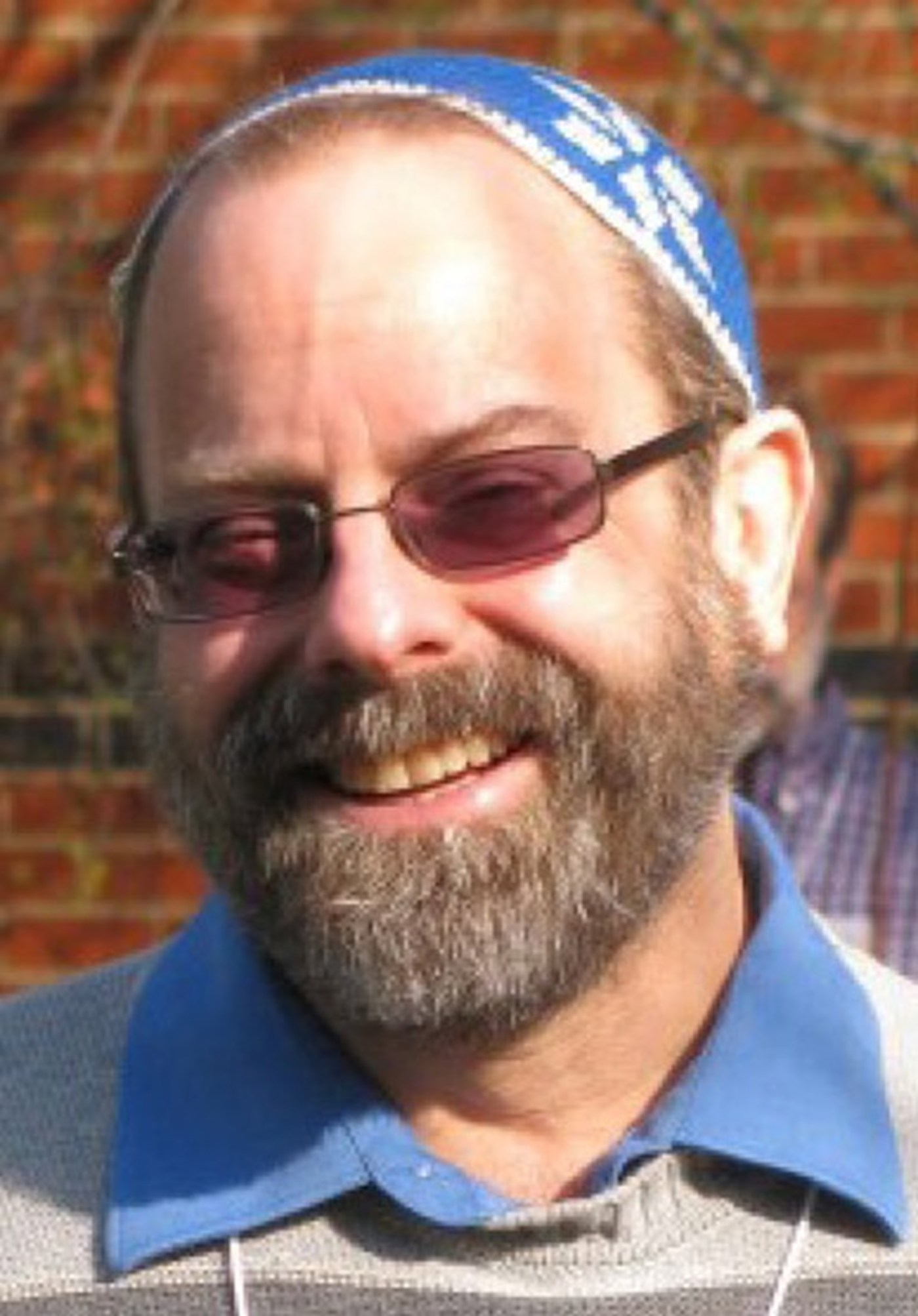
A call for compassion and recognition of shared humanity is gaining urgency as societal divisions deepen. Rabbi Daniel Swartz, the spiritual leader of Temple Hesed in Scranton, draws inspiration from the words of singer and actress Ethel Waters, who famously declared, “I am somebody ’cause God don’t make no junk!” This assertion resonates across various religions, reinforcing the idea that every individual possesses innate worth as a reflection of divine benevolence.
The concept of treating others with respect and kindness is a recurring theme in religious texts. For instance, in the Bible, Matthew 25:35 states, “I was a stranger and you welcomed me.” This commandment to care for the stranger, often translated as “foreigner” or “immigrant,” appears approximately 36 times in the Hebrew Scriptures. The frequency of this message underscores its importance and highlights a troubling reality: humanity often struggles to heed it.
Rabbi Swartz argues that the tendency to label entire groups based on factors such as religion, ethnicity, or sexual orientation contributes to societal dysfunction and violence. He notes that while most individuals expressing hatred do not engage in violent acts, this labeling can create an environment conducive to mass violence. History illustrates this pattern; before acts of violence, propaganda often dehumanizes targeted groups, portraying them as threats or less than human.
This dehumanization can lead to catastrophic outcomes, as seen in events like the atrocities at Bondi Beach and various genocides throughout history. The cycle of hatred continues even within groups that have previously faced persecution. When those who were victimized gain power, they may perpetuate similar cycles of violence against others.
Rabbi Swartz clarifies that the Biblical directive to love the stranger does not require agreement or personal affection. Instead, it calls for a recognition of shared humanity, urging individuals to act with fairness and compassion. This approach does not signify weakness; rather, it is the foundation of true strength, inspiring numerous heroes throughout history. From those who aided Jews during the Holocaust to those who fought for the freedom of enslaved individuals in the American South, acts of compassion have always illuminated paths toward justice.
During this season of longer nights and colder weather, many faith traditions celebrate with rituals involving light, such as the lighting of a menorah or the decoration of Christmas trees. While the physical act of spreading light is heartwarming, Rabbi Swartz emphasizes that the true challenge lies in bringing the light of faith, love, and a shared sense of humanity into the darker corners of the world.
The question arises: can light truly dispel the pervasive darkness seen in many societies today? Rabbi Swartz believes it requires courage to confront this challenge. He urges individuals not to succumb to fear or retreat into isolation. Drawing parallels to the Maccabees, he advocates for remaining steadfast in one’s beliefs and speaking truth to power.
For light to triumph over darkness, it must be accompanied by proactive efforts to embody compassion and understanding. This entails living in a manner that celebrates both shared humanity and individual differences. The recognition that “God does not make junk” serves as a powerful reminder that the world is enriched by the diversity of its inhabitants.
Rabbi Swartz calls for the courage and wisdom to embrace this truth, advocating for a united front against hatred and division. By fostering an environment that welcomes the other, society can cultivate strength and resilience, ultimately illuminating the path toward a more compassionate future.