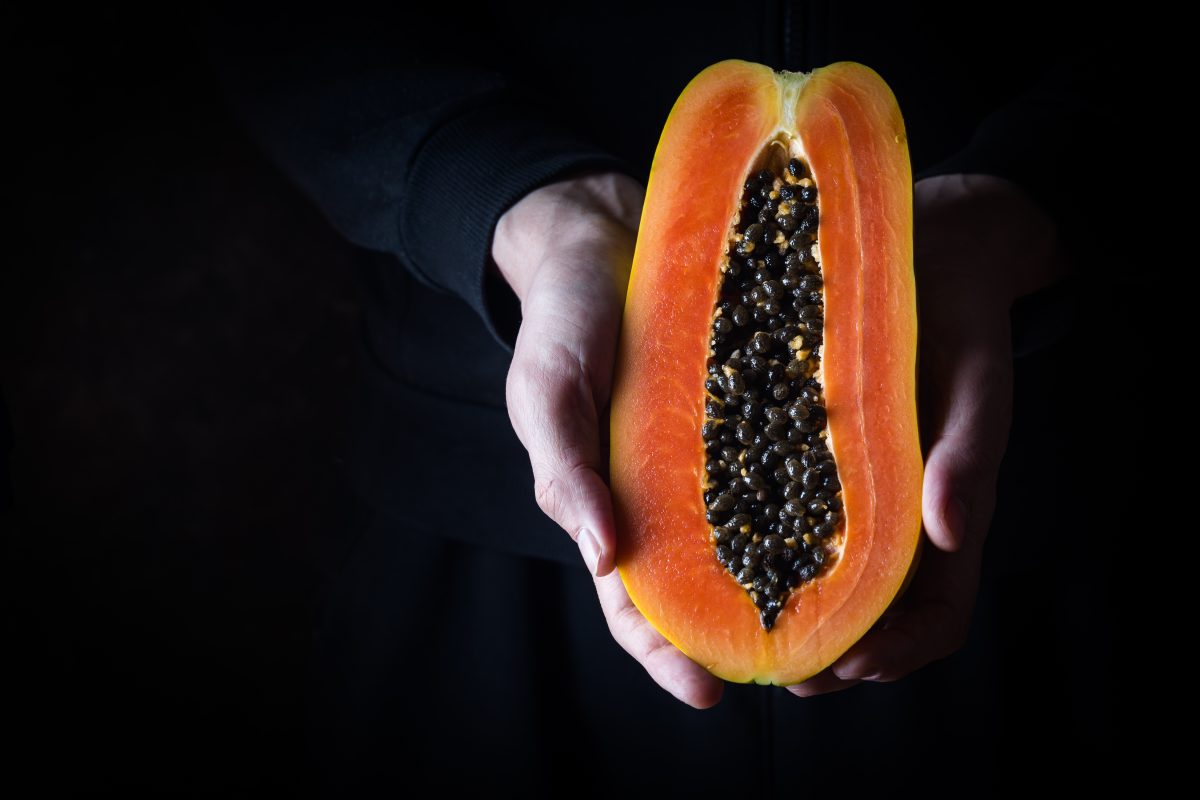
Non-alcoholic fatty liver disease (NAFLD) is increasingly recognized as a significant health issue affecting millions globally. Recent research highlights the potential benefits of papaya, a fruit known for its nutritional properties, in managing this condition. Studies suggest that papaya may play a beneficial role in liver health by reducing inflammation and improving fat metabolism.
Research Findings on Papaya’s Benefits for Liver Health
A study conducted by researchers at Naresuan University focused on the effects of papaya juice on obese rats subjected to a high-fat diet. The results were promising. Rats that received higher doses of papaya juice exhibited less fat accumulation in the liver, alongside lower triglyceride and cholesterol levels. Additionally, significant reductions in inflammatory markers, specifically interleukin-6, and improvements in antioxidant balance were observed due to enzymes like catalase.
Although liver weight did not change, the enhancement in liver function suggests that incorporating papaya into one’s diet could offer a supportive strategy for managing fatty liver disease.
Antioxidant Properties and Detoxification Support
Papaya is rich in antioxidants such as vitamin C, beta-carotene, and flavonoids. These compounds are known to reduce oxidative stress, a contributing factor to liver damage. By protecting liver cells from toxins and free radicals, papaya may help foster a healthier environment for liver function.
Moreover, papaya contains enzymes like papain and chymopapain, which aid in protein digestion and reduce digestive strain on the liver. This can be particularly beneficial for individuals with insulin resistance or other conditions frequently associated with fatty liver disease.
The seeds of the papaya, often overlooked, also provide health benefits. Analysis indicates that papaya seeds contain antioxidants and anti-inflammatory compounds which support digestion and assist in toxin elimination. Including between five to ten seeds daily, for cycles of seven to ten days followed by a break, may be beneficial. They can be consumed in various ways, such as chewed on an empty stomach or blended into drinks.
Precautions should be taken, however. Consumption is not recommended during pregnancy or for individuals with severe gastritis, ulcers, or inflammatory bowel disease. Additionally, those on blood thinners should consult a healthcare professional before use.
Incorporating papaya into one’s diet can be straightforward. Starting the day with a small bowl of papaya can be a refreshing option. Pairing the fruit with leafy greens, fatty fish, or whole grains can enhance its health benefits while avoiding foods that could exacerbate fatty liver, such as fried items and sugary beverages.
Experts note that while animal studies show positive outcomes, research in humans is still necessary to fully understand the impact. Papaya does not replace medical treatments, but its low-calorie, high-fiber profile makes it a recommended addition for those concerned about fatty liver issues.
The potential benefits of papaya, whether consumed as pulp, juice, or seeds, may aid in reducing liver fat, improving inflammation, and enhancing liver function. Nonetheless, individuals should approach its consumption as part of a balanced dietary plan, ideally under professional guidance.
This information serves educational purposes and should not substitute professional medical advice. Individuals considering changes to their diet, particularly regarding papaya seeds or juice, are encouraged to consult healthcare specialists.
Sources for this information include Infobae, Continental Hospitals, and El Tiempo.