A proposal to rename Chaim Herzog Park in Rathgar, Ireland, has ignited a complex dispute between Ireland and Israel, drawing the attention of U.S. lawmakers. This controversy not only highlights historical ties between the two nations but also underscores the intricate dynamics of international relations involving the United States.
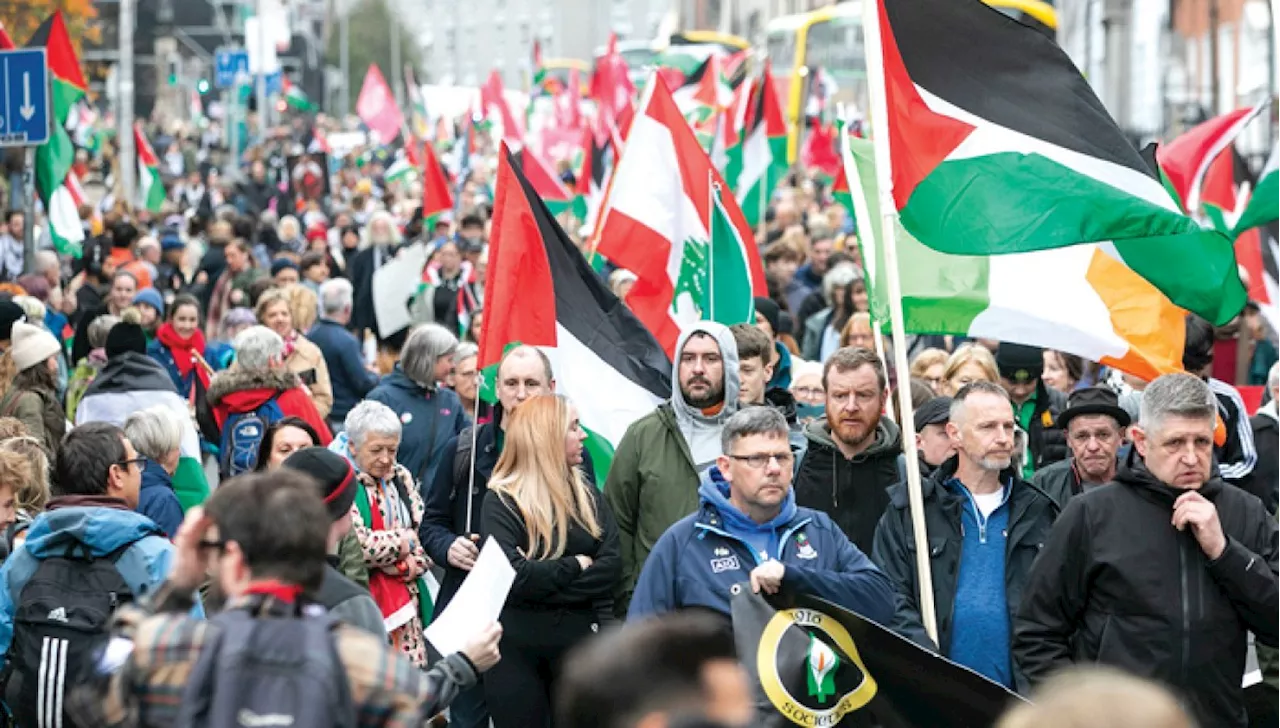
The park is named after Chaim Herzog, Israel’s sixth president, who was born in Belfast. The suggestion to strip his name from the park emerged as a protest against Israel’s actions in Gaza, particularly following the escalation of conflict since October 7, 2023. The proposal has raised concerns among U.S. lawmakers about potential economic repercussions for Ireland, particularly regarding its relationship with Israel.
Israel is keenly aware of the implications of such movements, especially given its significant trade relationship with Ireland, which amounted to $3.89 billion in 2023, making Ireland Israel’s second-largest trading partner. The United States also maintains a robust economic connection with Ireland, purchasing $103.76 billion in goods in 2024.
A group of bipartisan lawmakers, including Representative Josh Gottheimer, have vocalized their apprehensions, warning that Ireland could face economic sanctions if it proceeds with legislation that targets Israeli businesses. Gottheimer emphasized the potential fallout: “If they go ahead with this law, they will have a BDS law,” referring to the Boycott, Divestment, and Sanctions movement aimed at Israel. He cautioned that such actions could lead to severe penalties for Ireland, limiting trade with 38 U.S. states.
Irish Foreign Minister Helen McEntee publicly criticized the renaming proposal, asserting it was inappropriate to remove the name of an Irish Jewish figure in response to political tensions. She stated, “Renaming a Dublin park in this way… has no place in our inclusive republic.” This sentiment was echoed by Maurice Cohen, chairman of Ireland’s Jewish Representative Council, who expressed relief at the government’s stance. Cohen has noted that the Jewish community, which numbers less than 3,000, feels increasingly vulnerable amid rising tensions.
The controversy has attracted attention from influential American figures. Senator Lindsey Graham condemned the proposal, claiming it reflects a disturbing trend of rising antisemitism in Ireland. “When you think it couldn’t get any worse in Ireland regarding animosity toward Israel and the Jewish people, it just did,” he stated on social media.
Irish-American advocates, including Brian O’Dwyer, a vice president of the Irish American Democrats, have expressed concern about the implications of the proposed legislation. He highlighted existing laws in nearly 40 U.S. states that mandate boycotts against entities that support boycotting Israel. “The danger is real,” O’Dwyer cautioned.
Despite the procedural error that temporarily shelved the renaming proposal, the underlying tensions remain. The relationship between the U.S. and Ireland is historically significant, as both nations share deep cultural and economic ties. Some analysts believe that while disputes may arise, the interdependence between the countries will ultimately prevail.
Political analyst Scott Lucas noted that such tensions have surfaced periodically, but the foundational ties between the U.S. and Ireland are too strong to be easily disrupted. Hundreds of American companies operate in Ireland, particularly in the pharmaceutical sector, which relies heavily on favorable tax conditions.
The historical context surrounding this dispute also shapes its significance. Ireland has long positioned itself as a defender of oppressed peoples, having previously championed the boycott against apartheid South Africa. This sentiment has translated into a strong pro-Palestinian stance among some Irish nationalists.
As tensions continue to simmer, the situation remains fluid. The actions taken by lawmakers and the public responses from both Ireland and Israel will likely influence future diplomatic and economic relations. The proposed renaming of Chaim Herzog Park serves as a focal point for broader discussions surrounding international policy, trade relationships, and the complex interplay of history and modern politics.
In a global landscape marked by shifting alliances and growing economic interdependence, the outcome of this dispute could have lasting implications for all parties involved.