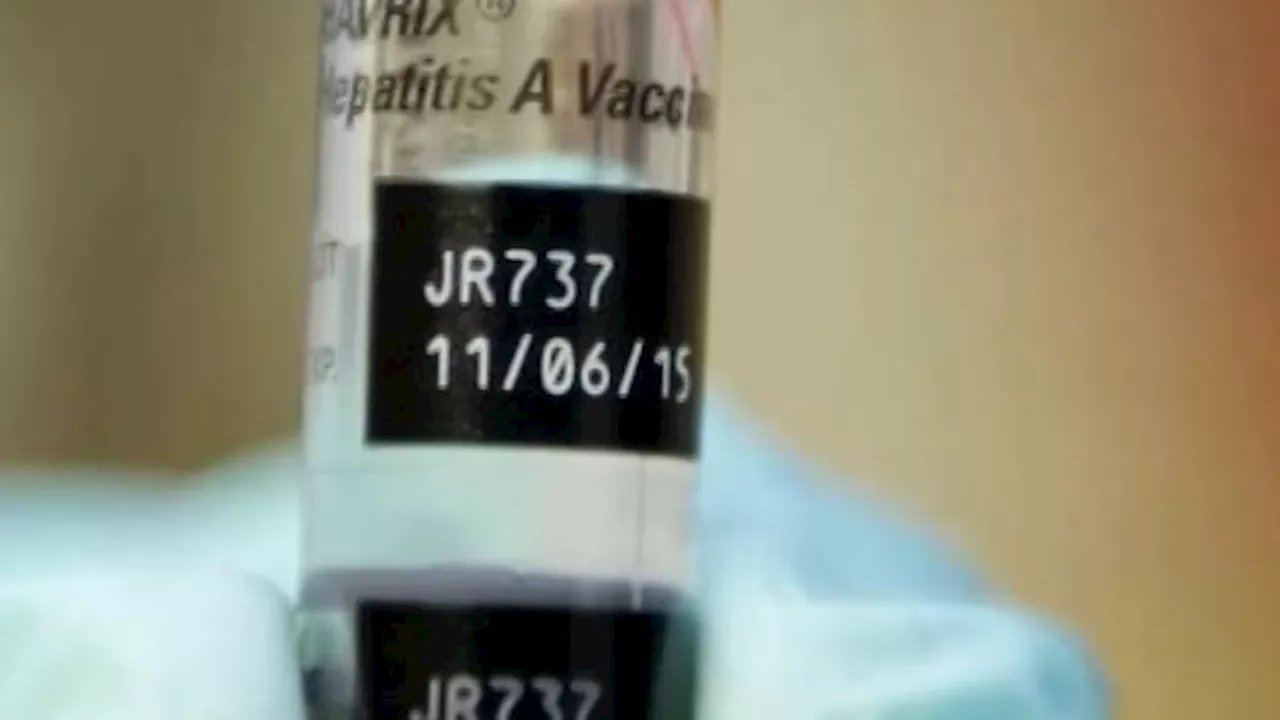
Florida has become the first state in the United States to eliminate mandatory vaccinations for children against diseases such as measles and polio before attending public schools. This significant policy shift has sparked concerns among health advocates and parents, who warn that it could jeopardize the health of thousands of children.
As of now, vaccination rates for kindergartners in Florida have declined to 88%, down from 94% in 2017. In Orange County, the rate is even lower, at around 87%, while Osceola County reports a troubling 86%. These figures are below the herd immunity threshold necessary to prevent outbreaks of diseases like measles and whooping cough.
The implications of this rollback are serious. Measles, for instance, can be highly contagious, with one infected child able to transmit the virus to 90% of individuals nearby if they are not immune. Before the widespread availability of the measles vaccine, the disease was a common cause of illness, leading to hundreds of deaths annually in the United States. The vaccine has proven to be one of the most effective public health interventions, contributing to the near-eradication of these diseases.
According to the Centers for Disease Control and Prevention (CDC), this year has already seen confirmed measles outbreaks across the nation, resulting in more than 210 hospitalizations and three fatalities, including two unvaccinated children. These deaths highlight the potential consequences of declining vaccination rates.
Vaccines do not only protect the individuals who receive them; they also safeguard vulnerable populations, including newborns, the elderly, and children with weakened immune systems. This collective protection, known as herd immunity, is only achievable when vaccination rates remain sufficiently high.
The decision to roll back vaccination requirements has drawn criticism from health advocates, including Michelle Flowers, a former president of the Oncology Managers of Florida. She emphasizes that the policy change is not based on scientific research or public health data. The state’s surgeon general has acknowledged that scientific evidence was not considered in this decision.
Florida’s current climate of vaccine skepticism may stem from experiences during the COVID-19 pandemic, where some individuals faced job losses due to vaccine mandates that lacked full FDA approval. Yet, frustration with pandemic policies should not undermine confidence in routine childhood vaccinations, which have a long history of success in preventing serious illnesses.
As Florida continues to welcome diverse populations, including children from various backgrounds, it is critical to maintain robust immunization requirements to ensure the health and safety of all students. A single measles case in a school can quickly escalate, leading to widespread outbreaks and hospitalizations.
Orlando’s leadership is now being called upon to reconsider this new policy. Advocates argue that reversing the decision is essential for safeguarding public health and restoring faith in vaccination programs. The potential long-term consequences of this rollback could affect generations to come, underscoring the importance of informed and responsible health policies.
The future of vaccine technology holds promise, particularly in areas like pediatric oncology, where researchers at the AdventHealth Cancer Institute are exploring innovative mRNA vaccines. However, these advancements depend on a foundation of public trust in vaccines. As discussions continue, it is vital for Florida officials to prioritize the health of children and the broader community by upholding vaccination requirements in schools.