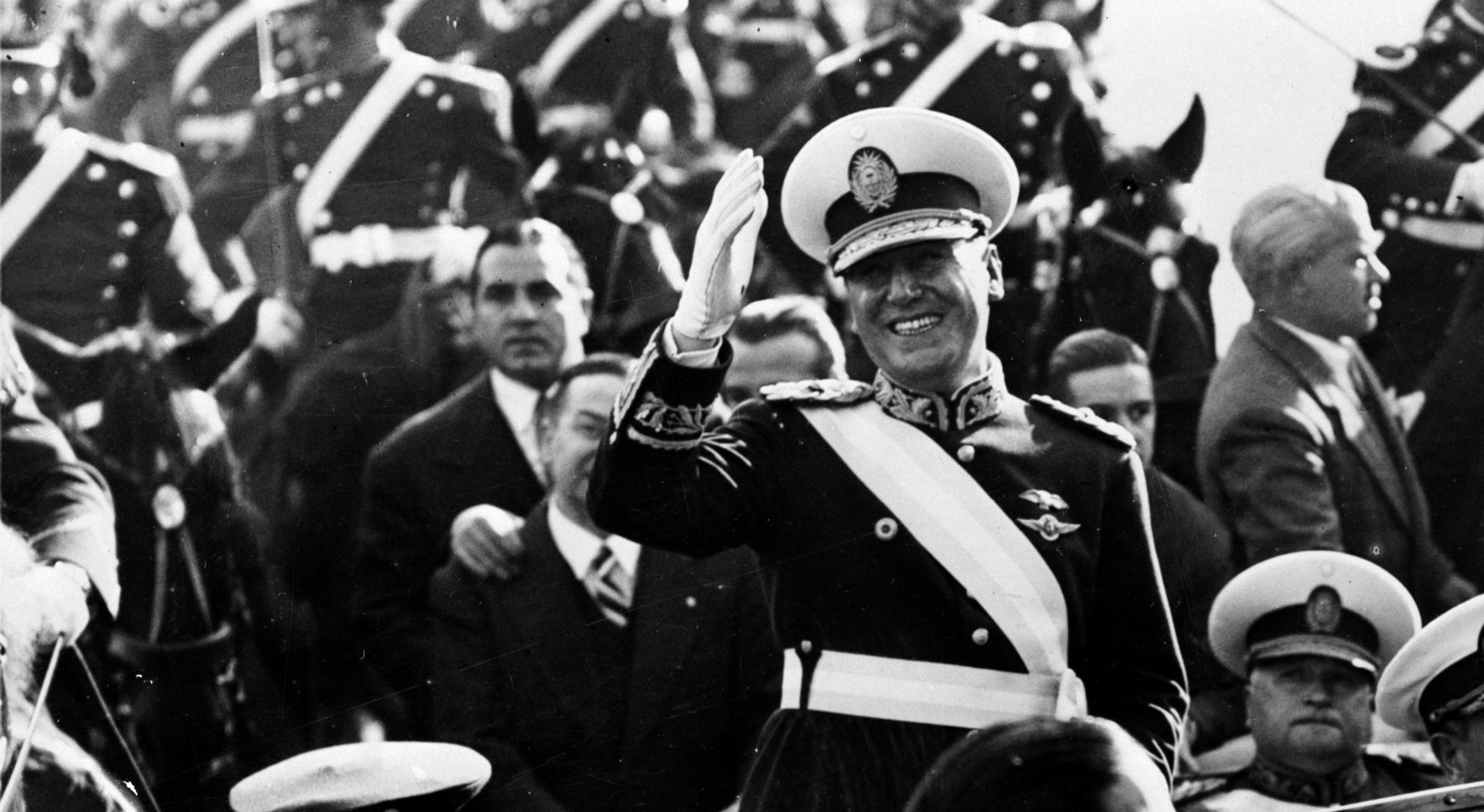
Peronism, a political movement in Argentina, emerged on October 17, 1945, during a workers’ mobilization that led to the release of its namesake, Colonel Juan Domingo Perón. This movement has transcended conventional political labels, evolving into a complex blend of social justice, economic nationalism, and political sovereignty. Its historical significance remains relevant today, influencing Argentina’s political landscape and the broader Latin American context.
The roots of Peronism trace back to the military coup of 1943, which overthrew a conservative government. Perón, who was part of the military group that seized power, quickly rose to prominence as the leader of the Labor Department. His policies, including the introduction of labor courts and wage increases, garnered him widespread support among the working class. By 1946, he had founded a political party called Laborism, which he later renamed Justicialism, reflecting his commitment to social justice.
In the elections of 1946, Perón won with 54.4% of the vote, and his popularity continued to grow, especially among labor unions. His administration focused on import-substitution industrialization, which aimed to reduce dependency on foreign goods. This strategy saw industrial production increase by 50% from 1941 to 1948, significantly improving the purchasing power of the working class.
A pivotal figure in the Peronist movement was Eva Perón, Juan’s wife. Initially a radio and film actress, her influence grew after their marriage in 1945. As the head of the Eva Perón Foundation, she focused on charity work, helping to alleviate poverty and improve living conditions for the underprivileged. Her charisma and dedication made her a beloved figure among the masses, though she faced backlash from the elite.
Peronism’s popularity was met with resistance, culminating in a military coup in 1955 that ousted Juan Perón. This marked a significant turning point in Argentine politics, as the Peronist Party was banned for nearly two decades. Despite this ban, Peronism’s core supporters, particularly among the working class, remained loyal. Perón returned to power in 1973, winning the presidency with 61.85% of the vote.
Over the years, Peronism has exhibited a unique ability to adapt, often defying traditional political categorizations. It has been described as a “third position,” neither strictly left nor right, with the slogan “neither Yankees nor Marxists, but Peronists.” This fluidity has allowed various factions to align with or against it, creating a diverse political tapestry.
In recent years, the most notable iteration of Peronism has been Kirchnerism, named after former presidents Néstor Kirchner and Cristina Fernández de Kirchner. Kirchnerism emerged as a response to neoliberal policies that had led to economic turmoil in Argentina. The Kirchners focused on social welfare and wealth redistribution while maintaining a critical stance against neoliberalism, which was particularly resonant in the wake of the 2001 economic crisis.
Despite its historical roots in labor rights and social justice, Peronism has faced challenges in the contemporary political arena. Economic instability, inflation that exceeded 100% annually, and shifting public sentiment have led to a resurgence of right-wing populism, complicating the traditional Peronist narrative.
Understanding Peronism requires recognizing its dual nature: it champions the rights and voices of the working class while simultaneously exhibiting authoritarian tendencies. This complexity has sparked debates among scholars and political analysts, who often find it challenging to categorize the movement within the conventional left-right spectrum.
The enduring appeal of Peronism lies in its deep connection to Argentina’s working-class culture. It has been instrumental in shaping the political landscape and has influenced various leftist populist movements across Latin America. Figures such as Hugo Chávez in Venezuela and Lula da Silva in Brazil draw from similar populist roots, illustrating Peronism’s significant regional impact.
In conclusion, Peronism is not merely a political doctrine; it represents a phenomenon that reflects the aspirations, struggles, and realities of the Argentine populace. As it continues to evolve, its legacy will likely influence future political developments in Argentina and beyond. Understanding Peronism provides valuable insights into the complexities of populism and the interplay of class, culture, and politics in contemporary society.