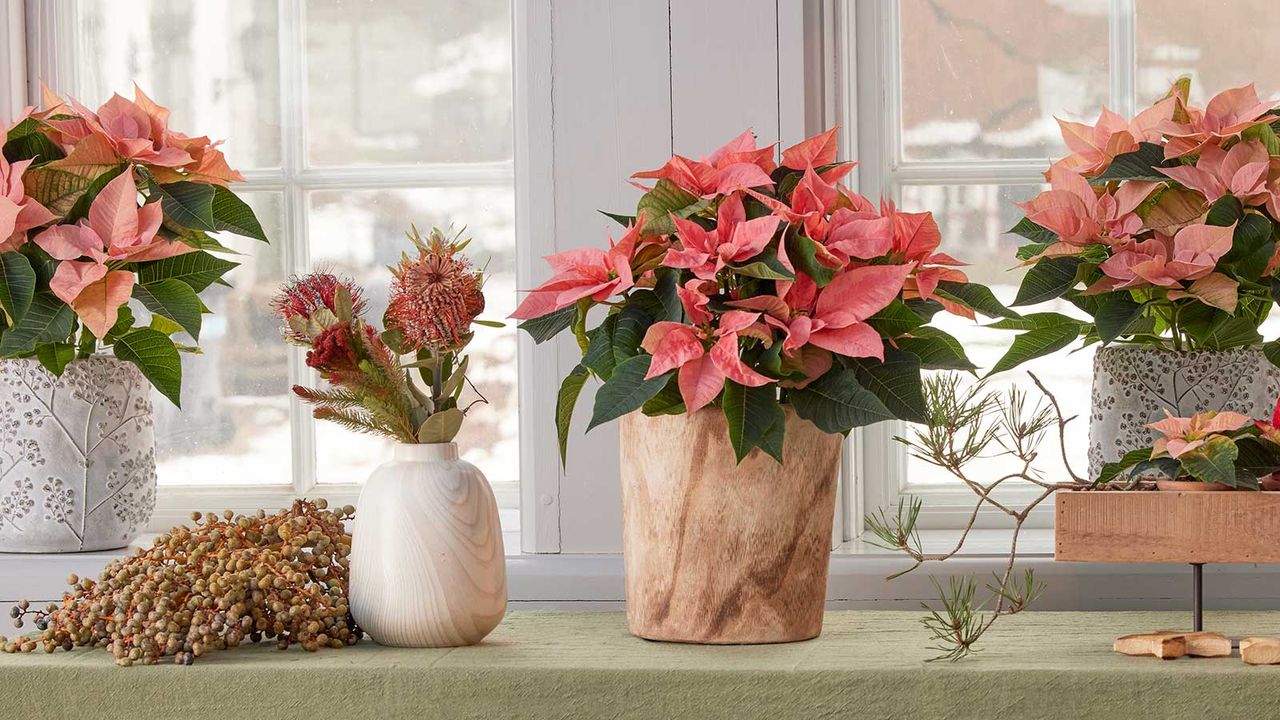
The poinsettia has become a beloved symbol of the festive season, known for its vibrant red and green hues. Originating from Mexico, this striking plant was introduced to the United States in the early 19th century by botanist and diplomat Joel Roberts Poinsett. Today, it is a staple in homes across many countries during the holiday season. Proper care can ensure these tropical plants remain vibrant well beyond December.
Understanding how to care for a poinsettia is essential. While often treated as temporary holiday decorations, with the right conditions and attention, they can thrive for many years. This guide provides comprehensive advice to help keep your poinsettia healthy throughout the winter months and beyond.
Choosing and Transporting Your Poinsettia
The journey to a healthy poinsettia begins before purchase. It is important to select a plant from a reputable store or garden center. Look for dense, undamaged foliage and budding flowers nestled among the colorful bracts, which are often mistaken for flowers. Naomi Robinson, founder of Houseplant Authority, advises purchasing from indoor stores and avoiding those near automatic doors. Exposure to cold drafts can jeopardize the plant’s health.
Once you have chosen your plant, transport it with care. Dr. Susanne Lux, an international campaign coordinator at Stars for Europe, recommends wrapping the poinsettia in paper to shield it from drafts and temperatures below 12°C (54°F). After arriving home, remove the pot from any protective sleeve and place it on a saucer to avoid waterlogged soil.
Optimal Conditions for Growth
Poinsettias thrive best in stable environments. Sudden temperature changes can stress the plant, so it is crucial to keep it in a location where temperatures remain consistent. Ideally, maintain a temperature range between 15-22°C (59-72°F). Avoid placing the plant near drafts, cold windowsills, or heat sources such as radiators or air vents, as these can lead to leaf drop and fading of the colorful bracts.
While direct sunlight is generally not preferred, it can be acceptable during the winter months. A south-facing window is ideal for the holiday season, but be sure to relocate it away from direct sun exposure as temperatures rise in spring.
Watering practices are equally important. Poinsettias should be watered only when the top inch of soil feels dry. Overwatering is a common mistake, so ensure that excess water drains properly. Gail Pabst from the National Garden Bureau emphasizes the need to let the water drain to prevent root rot. For a 12.7 cm (5-inch) pot, a small glass of water is sufficient, while smaller pots may require daily watering.
It is essential to monitor for signs of distress. Drooping or yellowing leaves can indicate overwatering or underwatering, while sudden leaf drop often suggests that roots have been exposed to cold or waterlogged conditions.
Feeding should also be approached with caution. Fertilization is best reserved for when the plant begins to fade, as this allows the nutrients to support new growth. Andrew Gaumond of Petal Republic advises against fertilizing in full bloom, noting that these plants are generally light feeders.
In summary, with the right care, your poinsettia can remain a vibrant aspect of your home long after the holiday season. By following these guidelines, you can enjoy the beauty of this festive plant and ensure its health for many winters to come.