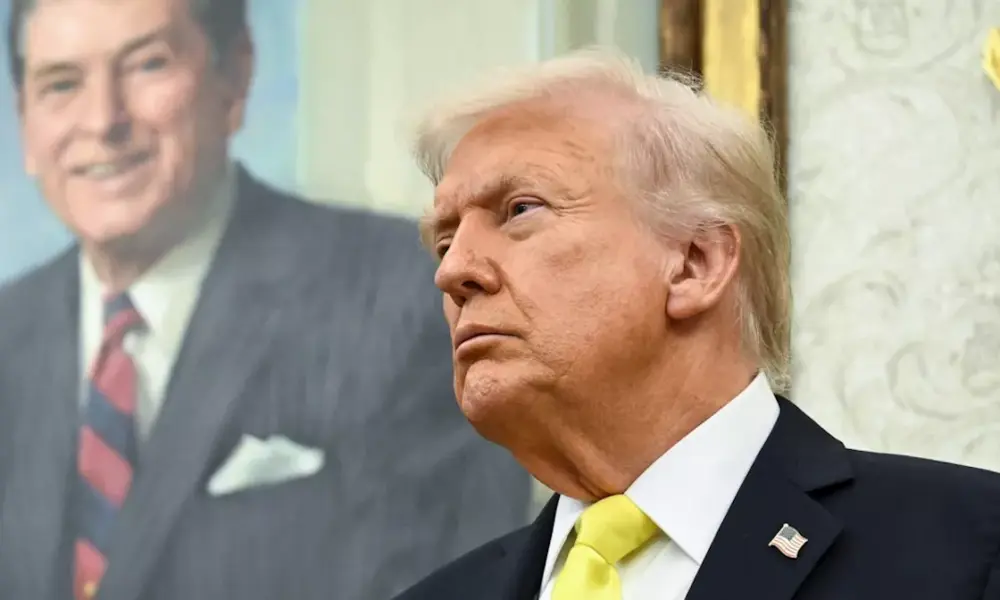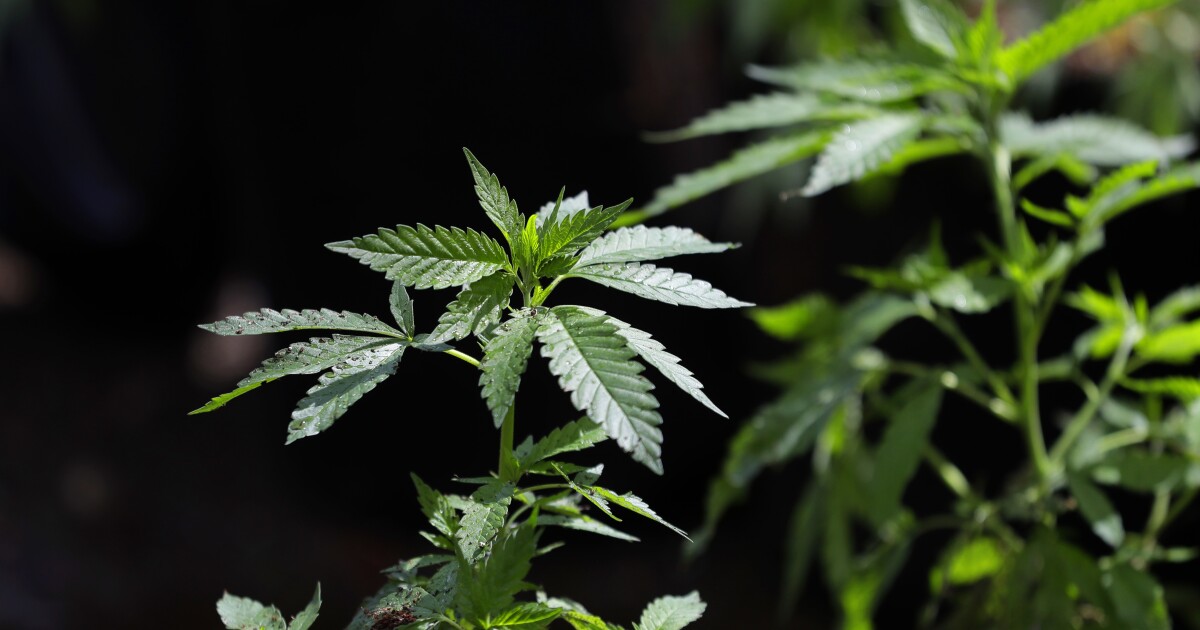
President Donald Trump signed an executive order on October 5, 2023, reclassifying marijuana from a Schedule I drug to a Schedule III drug. This significant change means that the federal government now acknowledges that marijuana has a “moderate to low potential for physical and psychological dependence.” Previously, as a Schedule I substance, marijuana was categorized alongside drugs like heroin and LSD, which are considered to have no accepted medical use.
The implications of this reclassification are substantial. According to Kent Vrana, director of the Penn State Center for Cannabis and Natural Product Pharmaceuticals, this shift could facilitate easier access for patients seeking medical marijuana. He emphasized, “Rescheduling could make it easier for patients to access medical marijuana. It could open the door for insurance companies to cover it because they currently won’t cover Schedule I drugs.”
Impact on the Cannabis Industry
The reclassification is expected to have a transformative effect on the cannabis industry as well. With marijuana’s previous Schedule I status, the industry operated largely on a cash basis. Businesses faced significant challenges, such as the inability to use credit cards and a lack of access to traditional banking services regulated by the federal government.
Vrana elaborated on these challenges, stating, “Because of marijuana’s Schedule I status, the industry is a cash-based system. You can’t use credit cards because the federal government oversees the banking system. Businesses also can’t write off business expenses or get tax deductions.” The new Schedule III designation could help alleviate these burdens, enabling businesses to operate more like other sectors, which could ultimately lead to significant growth.
Future Considerations
As the federal government moves towards this new classification, various stakeholders are closely observing the potential changes it may bring to legislation and public perception of marijuana. This reclassification could pave the way for further research into the medicinal benefits of cannabis, as well as enhance its acceptance within the healthcare community.
While this executive order represents a notable shift in policy, the full ramifications will likely unfold over the coming months and years. The implications for patients, the medical community, and the cannabis industry are profound, indicating a potential shift towards a more regulated and accessible cannabis environment in the United States.
In summary, President Trump’s decision to reclassify marijuana as a Schedule III drug marks a pivotal moment in U.S. drug policy, with far-reaching effects on both patient care and the burgeoning cannabis industry.