URGENT UPDATE: The European Union has just announced a groundbreaking new subcategory for small electric vehicles, termed “M1E.” This initiative aims to transform the automotive landscape by allowing cars up to 4.2 meters (165.3 inches) in length to qualify, significantly boosting the push towards electric vehicle (EV) adoption.
The EU’s move comes even as it relaxes some fleet emissions targets beyond 2035, confirming its commitment to an electric future. The M1E category will incentivize manufacturers to produce fully electric vehicles assembled within the EU, offering a 30% advantage toward CO2 compliance targets through “super credits.” This means that each M1E-certified vehicle will count as 1.3 vehicles in emissions calculations instead of the standard 1.
This announcement is crucial for manufacturers aiming to navigate an evolving regulatory environment. The EU plans to freeze requirements for this new category for 10 years, providing much-needed stability for long-term planning. Automakers will also benefit from potential subsidies, tax breaks, and exemptions from road tolls and preferential access to lanes or parking.
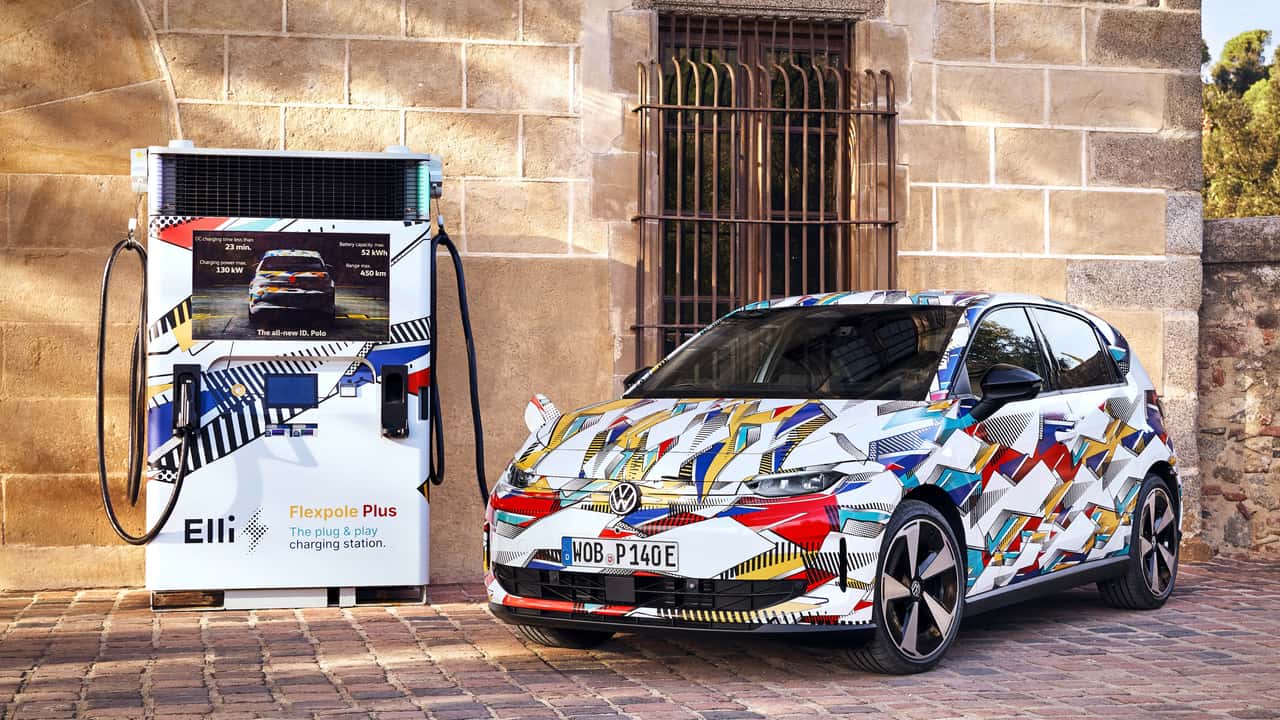
Several current and upcoming models fit the M1E criteria, including Renault’s Twingo, Volkswagen’s ID. Polo, and Stellantis’s Citroën e-C3. However, vehicles assembled outside the EU, like the Hyundai Inster and Mini Cooper, will not qualify.
The EU’s initiative indirectly supports the continued sale of combustion-engine vehicles. By earning super credits through the M1E class, automakers can offset CO2 emissions from their internal combustion engine (ICE) models. This could allow ICE cars to remain on the market longer, especially as the EU steps back from a strict ban on new combustion-engine vehicles.
Despite these changes, automakers are still required to reduce CO2 emissions by 90% by 2035, compared to 2021 levels. The remaining 10% will need to be offset by vehicles powered by e-fuels and biofuels, as well as those built using low-carbon materials produced in the EU.
The announcement also includes a new compliance mechanism allowing manufacturers to “bank and borrow” emissions credits over a three-year period, easing adherence to emissions targets. This approach will extend through 2029 and apply to the stricter regulations set for 2030 to 2032.
According to the latest data from the European Automobile Manufacturers’ Association (ACEA), 16.4% of new cars sold in the EU in the first ten months of the year were fully electric. This figure rises to 18.3% when including Iceland, Liechtenstein, Norway, Switzerland, and the UK, reflecting a strong trend toward EV adoption.
As the EU takes decisive steps to encourage small, affordable electric vehicles, the industry is poised for a significant shift. The creation of the M1E category is a vital move to ensure that the transition to electric vehicles is inclusive, promoting local manufacturing and addressing consumer needs.
As these developments unfold, stakeholders and consumers alike will be watching closely to see how this new category impacts the automotive market and contributes to a greener future. Stay tuned for more updates on this urgent and evolving story.