HARRISBURG, PA — Pennsylvania is advancing its environmental initiatives this holiday season with three significant programs aimed at enhancing public engagement, funding biodiversity research, and strengthening stewardship of natural resources. The Pennsylvania Department of Conservation and Natural Resources (DCNR) launched online voting for the state’s 2026 River of the Year on December 5, allowing residents to select their preferred waterway from three nominees. Voting will remain open until January 16, 2024.
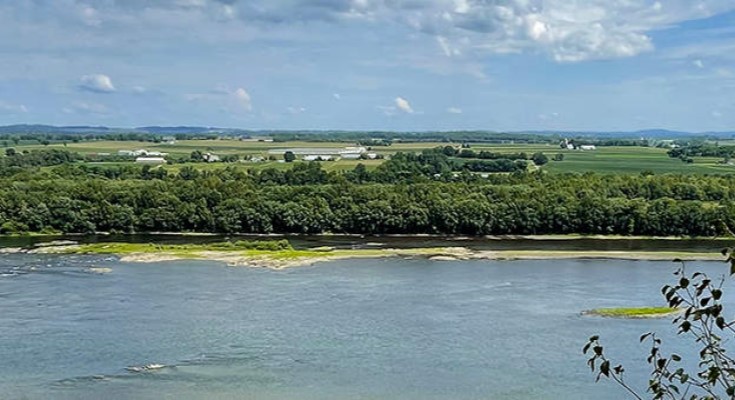
The nominees for the River of the Year include the Conestoga River, the Chillisquaque Creek, and the lower Schuylkill River. Each waterway represents a unique aspect of Pennsylvania’s diverse landscapes. The Conestoga River, which flows over 61 miles to the Susquehanna River, is popular for recreational activities such as canoeing, kayaking, tubing, and fishing. Chillisquaque Creek, a 20-mile tributary of the West Branch Susquehanna, traverses four counties and provides varied outdoor recreation within its 112-square-mile watershed. Meanwhile, the lower Schuylkill River serves as a vital recreational corridor, stretching 36 miles through the greater Philadelphia region.
DCNR Secretary Cindy Adams Dunn emphasized that this annual competition not only showcases the recreational, cultural, and economic importance of these rivers but also fosters community pride and awareness of conservation needs. The program is administered by the Pennsylvania Organization for Watersheds and Rivers, with funding provided by the DCNR.
On December 7, the Shapiro Administration announced the allocation of nearly $530,000 in grants for 15 projects focused on conserving native biodiversity. This funding aims to support research on various species, including rare plants, birds, and insects, while addressing knowledge gaps that influence statewide conservation strategies. Among the funded projects are initiatives to map green salamander habitats, survey rare stoneflies and aquatic plants, and create Pennsylvania’s first comprehensive firefly inventory. Additional projects will assess endangered fish reintroduction and utilize DNA barcoding to catalog native bee diversity.
DCNR officials stated that these grants, administered through the Wild Resource Conservation Program, reinforce the state’s commitment to protecting non-game species and their ecosystems for future generations. The funding aligns with broader investments in the 2025–26 state budget, which aims to increase support for DCNR initiatives, control invasive species, promote outdoor recreation, and expand state parks.
In a related development, DCNR announced a leadership change on December 12 with the appointment of Michael Plish as the manager of Chapman State Park in Warren County. This 862-acre park, which includes Chapman Lake, is a popular destination adjacent to state game lands and the Allegheny National Forest. Plish, a native of Moon Township and a graduate in environmental science from Clarion University, brings a wealth of experience from various state parks and the Pennsylvania Outdoor Corps. DCNR officials expressed confidence that his background and collaborative approach will enhance stewardship at Chapman State Park, particularly as it serves as a year-round hub for recreation and community events, including the Warren County Winterfest.
Together, these initiatives reflect Pennsylvania’s ongoing efforts to engage the public in environmental stewardship, invest in scientific conservation, and manage the state’s natural resources responsibly. As the Commonwealth advances its green agenda, it underscores the significance of environmental protection as both a civic duty and an economic asset.