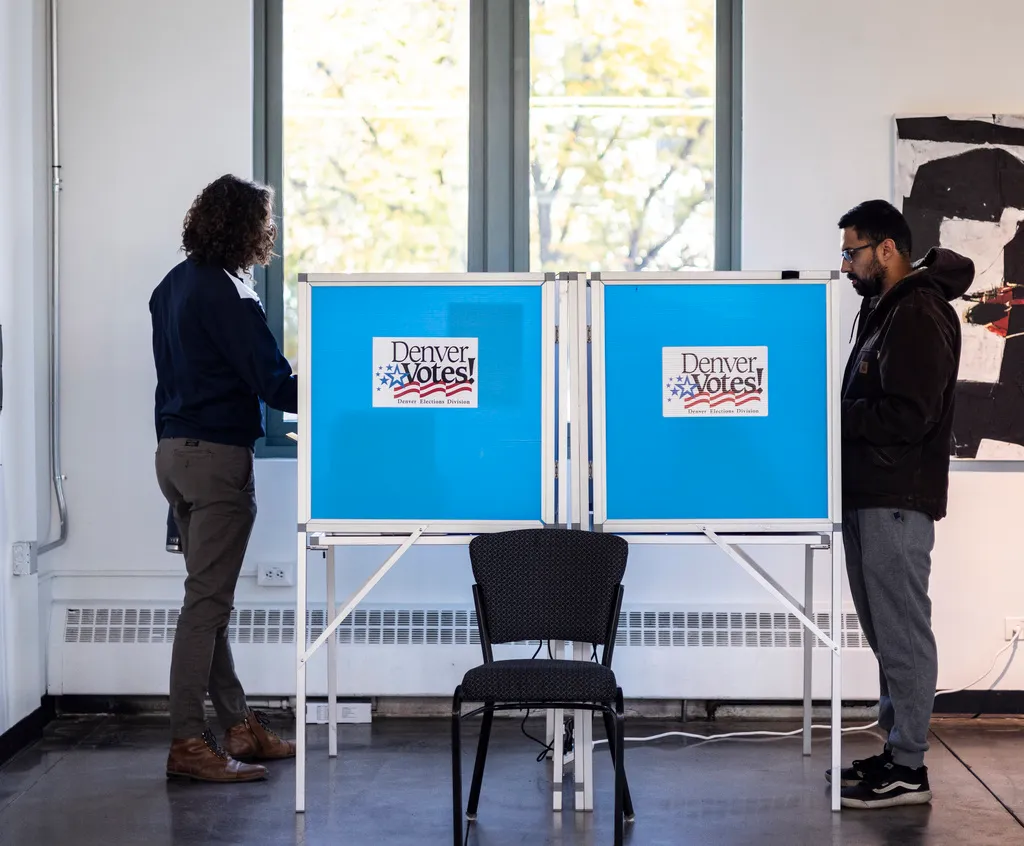
UPDATE: The Justice Department has just announced federal lawsuits against four states—Colorado, Hawaii, Massachusetts, and Nevada—for failing to comply with requests for statewide voter registration lists. This urgent move, revealed on Thursday, brings the total number of states facing legal action to 18, as the government intensifies its push for access to sensitive voter information.
These lawsuits are part of a controversial effort framed by the Trump administration as necessary for election security. The Justice Department claims that these states are violating federal law by not providing crucial details about voter lists and ineligible voters, igniting a fierce debate about state rights versus federal oversight.
The stakes are high. The information sought includes names, dates of birth, residential addresses, driver’s license numbers, and partial Social Security numbers—data that many officials believe could compromise voter privacy. “States have the statutory duty to preserve and protect their constituents from vote dilution,” stated Assistant Attorney General Harmeet K. Dhillon of the Justice Department’s Civil Rights Division. “We will not permit states to jeopardize the integrity of elections.”
In response, Colorado Secretary of State Jena Griswold, a Democrat, strongly rejected the request, declaring, “We will not hand over Coloradans’ sensitive voting information to Donald Trump.” Griswold emphasized her office’s commitment to protecting election integrity and expressed confidence in winning the legal battle ahead.
Meanwhile, Nevada Secretary of State Francisco Aguilar echoed similar sentiments, stating that the Justice Department has not clarified how the data will be utilized. “These requests may seem like normal oversight, but the federal government is using its power to intimidate states,” Aguilar warned. He reaffirmed his obligation to adhere to state laws protecting voter information.
Adding to the controversy, Hawaii Deputy Solicitor General Thomas Hughes articulated that state laws mandate confidentiality for voter registration details, arguing that federal law does not compel states to release sensitive data.
The Justice Department’s aggressive stance has raised alarms among Democratic officials and others concerned about the potential misuse of voter data. An Associated Press tally reveals that the department has requested voter registration rolls from at least 26 states in recent months, further intensifying scrutiny over federal involvement in state-run elections.
In a related action, the bipartisan Wisconsin Elections Commission voted 5-1 on Thursday against providing unredacted voter data to the Trump administration, despite warnings of potential lawsuits. The lone dissenting vote came from Republican commissioner Robert Spindell, who cautioned against rejecting the request. Other commissioners emphasized that state law prohibits the release of sensitive voter information.
As these lawsuits unfold, the implications for the upcoming 2026 election cycle are significant. With increasing tension between state and federal authorities, the spotlight remains on how this legal battle will shape the future of election integrity and voter privacy in the United States.
Stay tuned for more updates as this story develops.