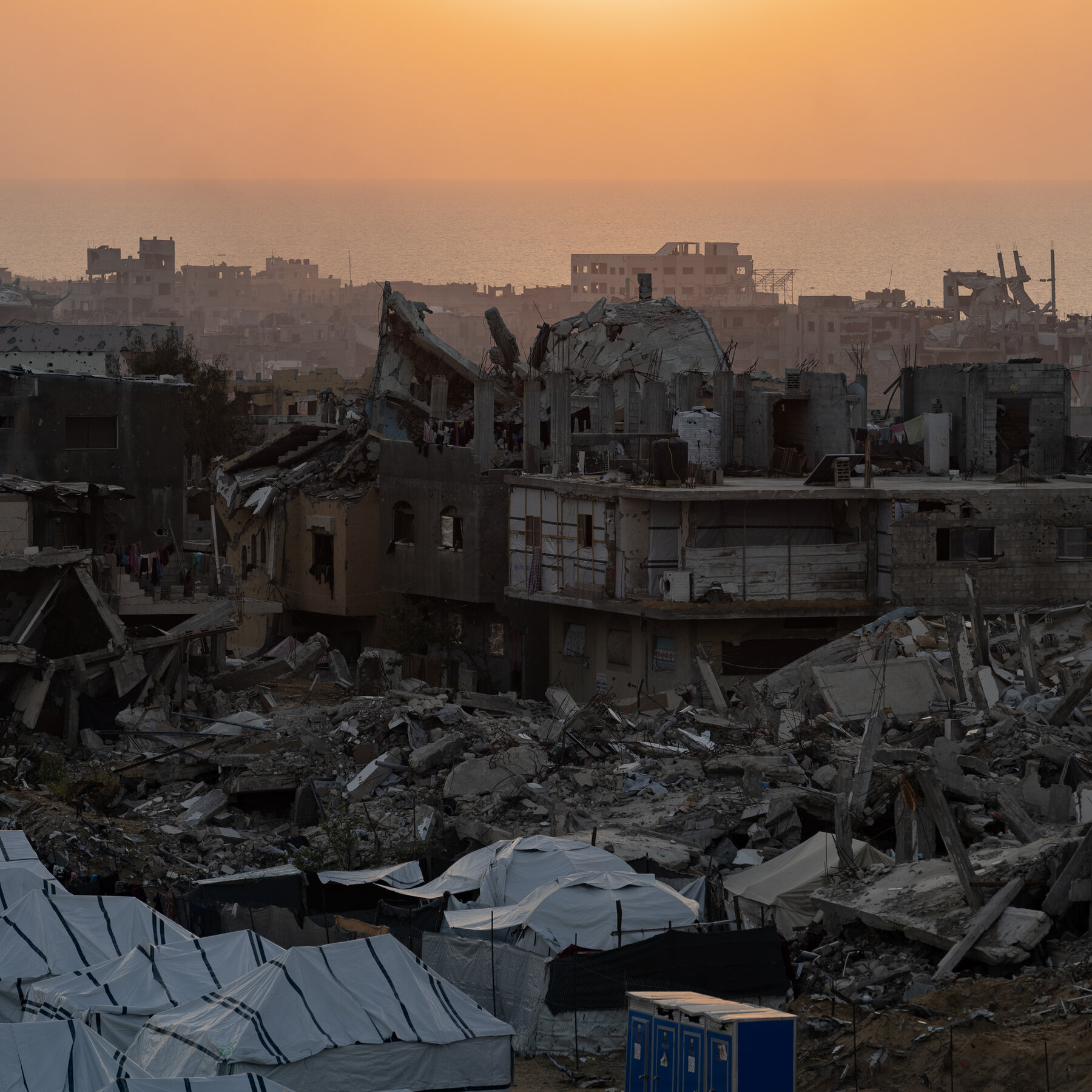
The future of former President Donald Trump’s proposed 20-point peace plan for the Gaza Strip remains unclear as key details have yet to materialize. Launched amid heightened tensions in the region, the plan aims to address long-standing conflicts but has encountered significant hurdles since its announcement in March 2024.
While the plan initially garnered attention, subsequent discussions have raised questions about its feasibility. Critics argue that without clear frameworks and commitments from both the Israeli government and the Palestinian Authority, the proposal risks becoming just another document without impact.
Current Status of the Plan
The U.S. government has expressed a commitment to facilitating peace in the region, but the specific steps forward remain vague. Reports indicate that negotiations have been stalled due to differing priorities among the involved parties. Furthermore, there has been a lack of engagement in terms of concrete actions that would support the plan’s implementation.
In recent statements, Trump emphasized the importance of a collaborative approach to peace, urging both sides to come to the negotiating table. Yet, with ongoing unrest in Gaza and skepticism from various stakeholders, the path to successful negotiation is fraught with challenges.
Challenges Ahead
A significant obstacle is the deep-rooted distrust between the Israeli and Palestinian factions. Historical grievances and recent escalations in violence have complicated the diplomatic landscape. The peace plan’s success hinges on mutual willingness to compromise, something that has proven elusive in past attempts.
Moreover, criticism has emerged regarding the lack of clarity in Trump’s proposals. Specifics regarding funding, security arrangements, and the role of international partners remain undefined. Observers argue that without these essential components, the plan may struggle to gain traction.
As negotiations evolve, the international community is closely monitoring developments. Key players, including neighboring countries and global powers, have a vested interest in the stability of Gaza, given its strategic significance in the Middle East.
In summary, while Trump’s 20-point peace plan for Gaza aims to create a pathway to resolution, its effectiveness will depend on overcoming substantial barriers. As the situation develops, stakeholders will be looking for signs of progress and the potential for renewed dialogue in a region long plagued by conflict.