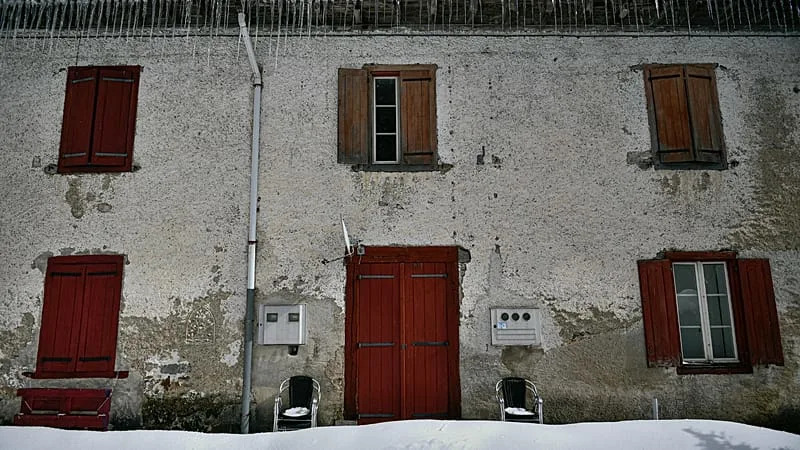
More than 41 million people in Europe struggle with inadequate heating in their homes, according to data from Eurostat. This fuel poverty affects approximately 9.2% of the European Union’s population, highlighting a significant social issue that persists despite housing being considered a fundamental right. The impact of living in cold homes extends beyond emotional distress, leading to serious health risks such as strokes, respiratory infections, and accidents due to reduced dexterity.
The situation varies dramatically across different countries. In some nations, the percentage of those unable to afford adequate heating is alarmingly high. For instance, Bulgaria and Greece report rates of fuel poverty at 19%, while in Finland, the rate is as low as 2.7%. When considering additional countries, including EU candidates and EFTA states, the figures range from 0.7% in Switzerland to a staggering 33.8% in Albania and 30.7% in North Macedonia. Many other EU nations, including Lithuania, Spain, Portugal, Turkey, Cyprus, Montenegro, France, and Romania, also report figures exceeding 10%.
Turkey, despite having one of the lowest natural gas prices in the eurozone, has the highest number of individuals affected by fuel poverty. As of 2024, approximately 12.9 million people in Turkey are unable to keep their homes warm, reflecting a troubling paradox where low energy costs do not equate to energy access.
In comparison, Spain has about 8.5 million people facing similar challenges, while France and Germany report figures of 8.1 million and 5.3 million, respectively. Italy follows closely with 5.1 million individuals in fuel poverty.
Understanding the Roots of Fuel Poverty
The European Commission defines fuel poverty as a situation where households must curtail their energy consumption to levels that jeopardize their health and well-being. This crisis is influenced by three primary factors: a high percentage of household income spent on energy, low incomes, and the poor energy efficiency of buildings and appliances.
The situation worsened significantly due to the COVID-19 pandemic and the subsequent surge in energy prices following the Russian invasion of Ukraine in February 2022. Although there was a gradual decline in the number of people unable to heat their homes since 2011, the trend reversed temporarily in recent years.
Despite this backdrop, 2023 saw a slight improvement, attributed to a combination of factors. The Commission highlighted the role of reduced gas and electricity prices, the implementation of energy efficiency measures across EU nations, and a growing awareness of the issue among policymakers and the public.
A recent analysis by Euronews Business on electricity and natural gas prices across Europe illustrates disparities in energy costs. It identifies both the most expensive and the cheapest countries in terms of energy, shedding light on the broader energy landscape that shapes fuel poverty across the continent.
As Europe grapples with the complex dynamics of energy access and affordability, the issue of fuel poverty remains a critical challenge. With millions affected, addressing this problem will require concerted efforts from governments, organizations, and communities to ensure that every household can enjoy a warm and safe living environment.