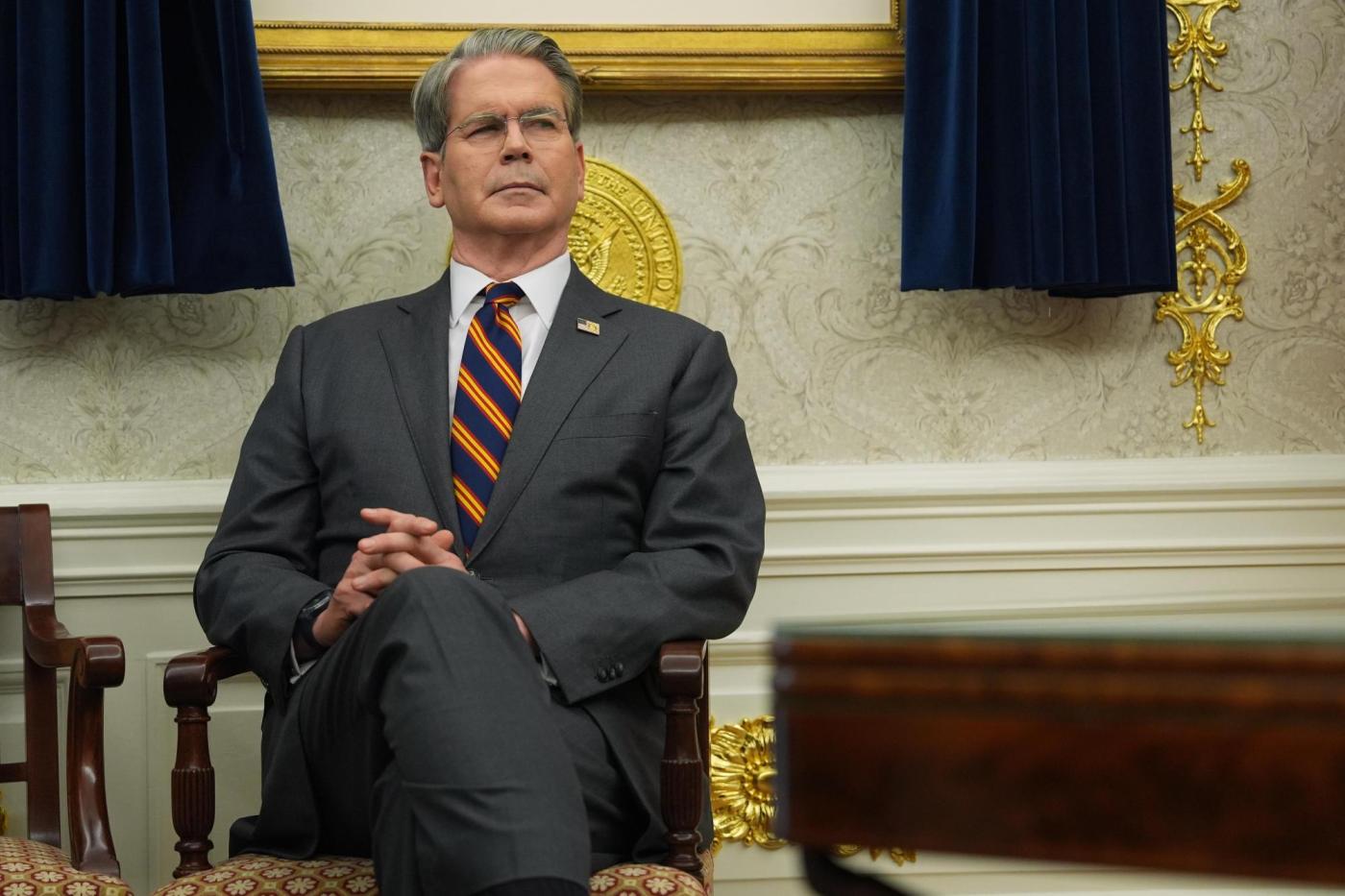
U.S. Treasury Secretary Scott Bessent has proposed significant changes to the regulatory framework governing the nation’s financial system, advocating for a reduction in certain regulations. In a letter released on October 26, 2023, Bessent outlined his vision for the Financial Stability Oversight Council (FSOC), a body established after the 2008 financial crisis to monitor risks and coordinate regulatory efforts.
Bessent emphasized that previous regulatory measures have often led to what he described as “burdensome and often duplicative regulations.” He stated, “Our administration is changing that approach,” indicating a shift towards more flexible oversight. The FSOC is set to evaluate where existing regulations may impose unnecessary burdens that could hinder economic growth and stability.
Regulatory Framework Under Review
The FSOC, which includes key figures such as the head of the Board of Governors of the Federal Reserve System and the chairman of the Securities and Exchange Commission, will begin its review process soon. Bessent noted that the council’s discussions would focus on how the current regulatory framework could be streamlined to better support financial stability and economic expansion.
Established under the Dodd-Frank Wall Street Reform and Consumer Protection Act in 2010, the FSOC was designed to prevent future economic crises by ensuring a robust regulatory environment. Critics of loosening regulations, such as Senator Elizabeth Warren from Massachusetts, have expressed concerns. Warren argued that a more relaxed approach could increase the risk to the financial system, especially amid signals of instability in current markets.
Concerns Over Financial Stability
In her statement, Warren highlighted the recent bankruptcies of companies including Tricolor Holdings, First Brands, and Renovo Home Partners as indicative of underlying issues in the financial landscape. She cautioned against the proposed deregulation, citing the potential dangers it poses to both the economy and the financial system at large.
As the FSOC prepares to meet and assess its regulatory strategies, the implications of Bessent’s proposals may reverberate throughout the financial sector. The outcomes of these discussions could shape the future of financial oversight in the United States, particularly as the economy navigates ongoing uncertainties.
The forthcoming changes to the FSOC’s approach will be closely monitored by stakeholders across the financial industry, with many awaiting the council’s decisions regarding the balance between regulation and economic growth.