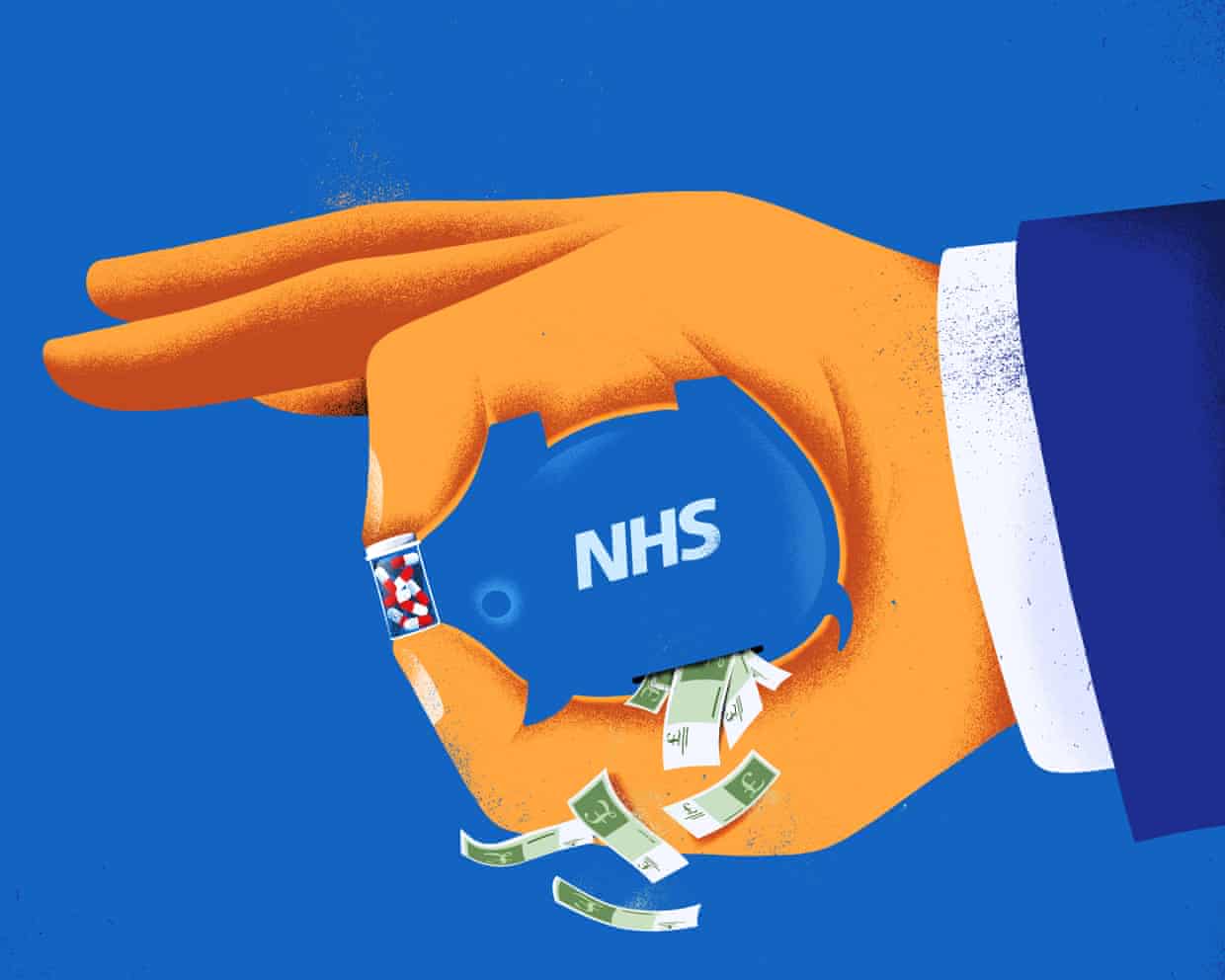
The recent agreement between the UK government, led by Keir Starmer, and the administration of Donald Trump has raised significant concerns regarding its implications for British healthcare. While government officials celebrate the deal as a transformative step towards making the UK a hub for life sciences, critics argue it could inflict serious harm on the National Health Service (NHS) and the lives of its patients.
The deal, described by Science Minister Patrick Vallance as a “world-beating” arrangement, has been met with mixed reactions. Business Secretary Peter Kyle claimed it would benefit “tens of thousands” of NHS patients. However, contrasting perspectives emerge from across the Atlantic, where US officials, including Trade Secretary Howard Luttnick, frame the agreement as a substantial victory for American workers.
According to a report in the New York Times, the UK has agreed to pay more for medications to avoid tariffs imposed by the United States. This shift in policy could cost the NHS an estimated additional £3 billion annually, primarily for the same medications it currently provides. Critics assert that this financial burden will divert funds from essential services, resulting in longer wait times for treatments and potentially compromising patient care.
In response to the government’s assurances, Health Secretary Wes Streeting has disputed the £3 billion figure, yet failed to provide the methodology behind his calculations when questioned. Independent experts, including Karl Claxton, a professor at the University of York, warn that this deal could lead to approximately 15,971 additional deaths each year due to reduced healthcare resources. Claxton’s research indicates that the NHS, already under financial strain, will struggle to accommodate the increased costs without cutting essential services.
The lack of transparency surrounding this deal raises further alarm. Unlike other agreements that involve public consultation and legislative scrutiny, this arrangement emerged primarily from government press releases without extensive public discussion. The media coverage has been disproportionate, with significantly more focus given to recent pay disputes among doctors than to the potential ramifications of the medicines deal.
The implications of this agreement are particularly striking when compared to the operational framework of the NHS. Unlike the US healthcare system, which often allows pharmaceutical companies to charge exorbitant prices, the NHS employs stringent regulations to ensure that medications provide value for money. This deal may undermine those protections, enabling pharmaceutical companies to profit at the expense of patient care.
The situation escalated in September when major pharmaceutical companies began withdrawing plans for investment in the UK, citing dissatisfaction with NHS pricing models. Companies like Merck and Eli Lilly halted development projects, signalling a coordinated response to the potential ramifications of the new trade environment shaped by the deal with the US.
As the UK government touts this agreement as a success, several health experts warn of its far-reaching consequences. Sally Gainsbury from the Nuffield Trust described the deal as a “Ponzi scheme,” suggesting that the NHS is being leveraged for short-term gains while compromising its long-term sustainability. The shift in policy raises critical questions about the future of the NHS and its ability to provide high-quality care to all citizens.
In conclusion, the recent UK-US medicines deal warrants careful scrutiny. As the government celebrates what it views as a triumph, experts and advocates for public health caution that the true cost of this agreement may ultimately be measured in lives lost and services compromised. The debate surrounding this deal underscores a pivotal moment for the NHS and the ongoing struggle to balance healthcare affordability with corporate interests.