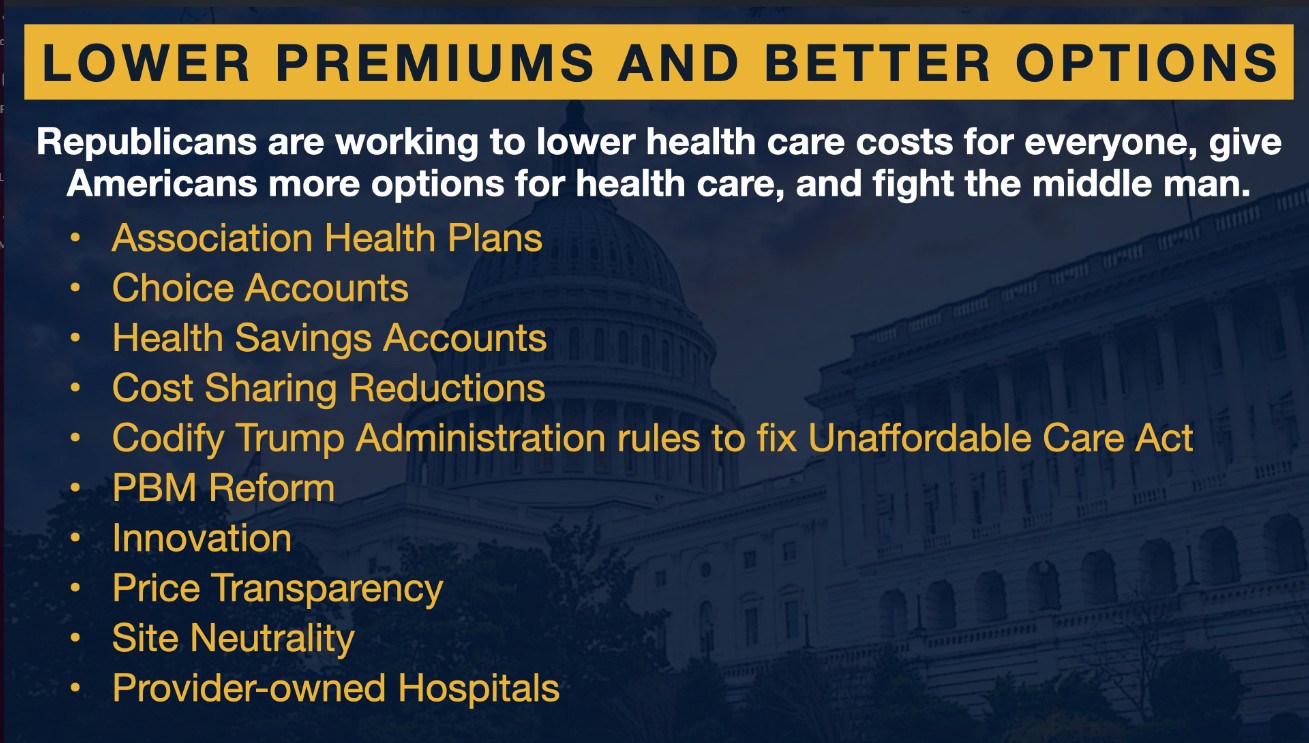
House Republican leaders are grappling with escalating concerns regarding health care legislation, as the expiration of crucial subsidies under the Affordable Care Act approaches on December 31, 2023. During a closed-door conference meeting on Tuesday, Speaker Mike Johnson provided a list of 10 potential policy options for the party’s future health care initiatives, but no definitive plan emerged.
The options presented varied in specificity. Some, such as an expansion of health savings accounts and enhanced oversight of pharmaceutical benefit managers, appeared to have clearer frameworks. Others, including a point simply labeled “Innovation,” lacked detail and direction. Notably absent from the discussion was any mention of extending the expiring tax credits, raising alarms among party members.
The meeting sparked intense debate among attendees, with vulnerable members like Rep. Jen Kiggans of Virginia voicing concerns about the political repercussions of not acting on the expiring subsidies. Several participants expressed frustration over the leadership’s handling of the issue, with one unnamed Republican stating, “There was a general uneasiness because nothing is coming together.”
With just seven session days remaining in the year, the urgency is palpable. One conservative member lamented, “We wasted so much time,” reflecting a growing sentiment that the party lacks a cohesive strategy. More than 20 GOP members from various factions took turns at the microphones, contributing to a robust discussion on the future of health care policy.
Tensions were particularly evident regarding the proposed extension of subsidies. Hard-line Republicans raised objections to any extension that did not include further restrictions on abortion coverage, contrasting sharply with the perspectives of representatives in at-risk districts facing re-election next fall. Rep. Ralph Norman of South Carolina remarked, “There was no consensus,” highlighting the divisions within the party.
Despite these challenges, GOP leaders remain optimistic about advancing some less contentious legislation in the upcoming week. Plans include votes on the health savings account expansion and funding for programs aimed at reducing out-of-pocket expenses for Obamacare enrollees. However, according to three Republicans who spoke on condition of anonymity, an extension of the tax credits is unlikely at this stage.
During the meeting, Johnson indicated that the party could continue to address health care issues into the first half of next year, just ahead of the midterm elections. The ongoing negotiations reflect the complexity of balancing differing party factions while addressing the pressing needs of constituents. As the deadline for the subsidies looms, the pressure on House Republicans to find a viable solution intensifies.
This situation underscores the critical intersection of health care policy and electoral strategy as the House GOP seeks to navigate a path forward.