The European security landscape has become increasingly precarious, with rising tensions from both Russia and the United States. Key decisions regarding the future of Ukraine are on the horizon, raising urgent questions about the continent’s stability.
As October 2023 approaches, the European Union (EU) grapples with challenges that extend beyond political rhetoric. The ongoing conflict in Ukraine, which has persisted since 2022, continues to strain relationships within Europe and with its transatlantic allies. The European Commission has warned that security threats from Russia necessitate a unified response from EU member states, highlighting the urgency of coordinated action.
European leaders are feeling the pressure, particularly as they navigate the dual challenge of maintaining a cohesive front against Russian aggression while managing relations with the United States. Tensions have escalated amid concerns over Washington’s commitment to European security under the current administration, particularly in light of fluctuating domestic politics.
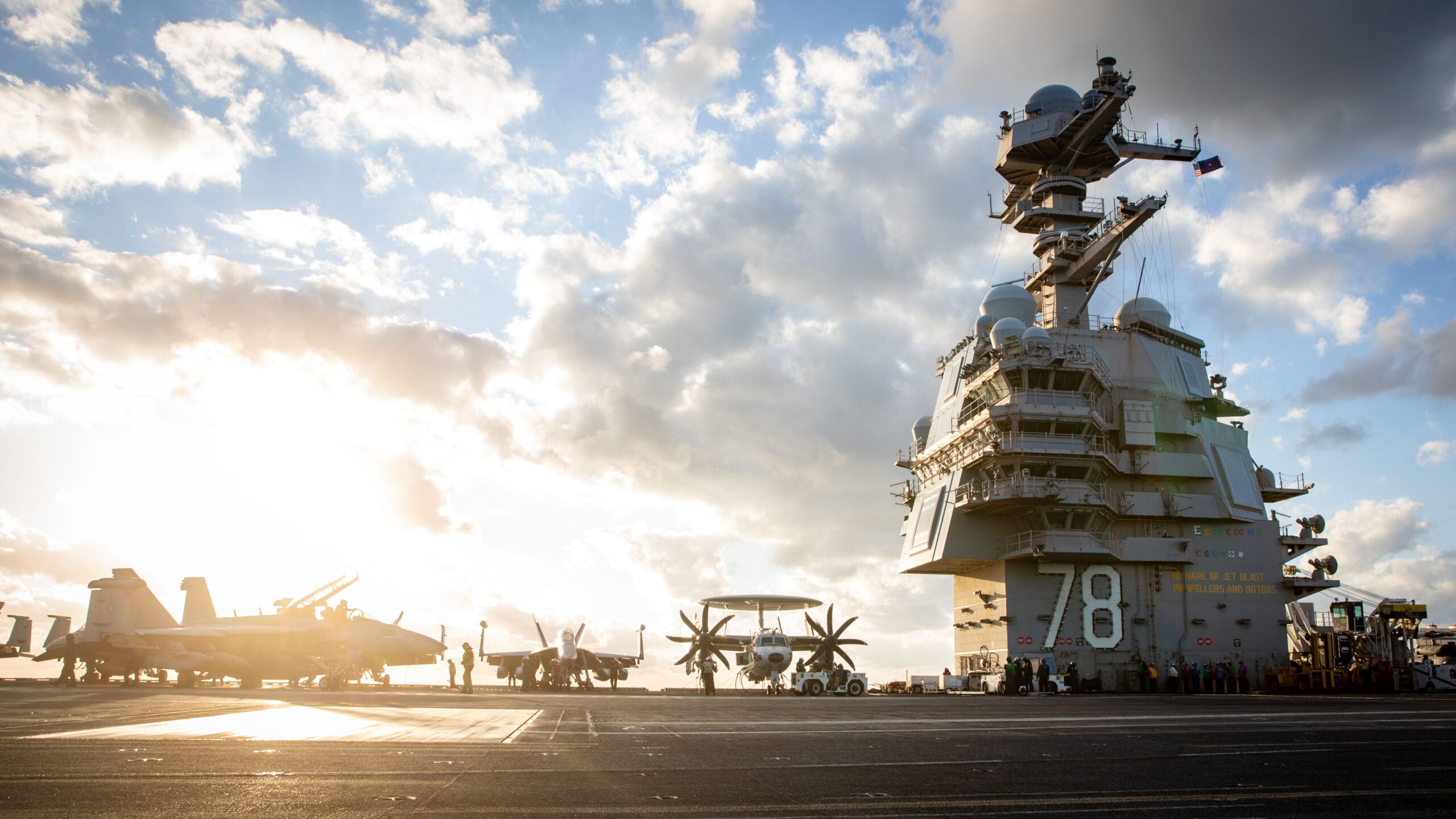
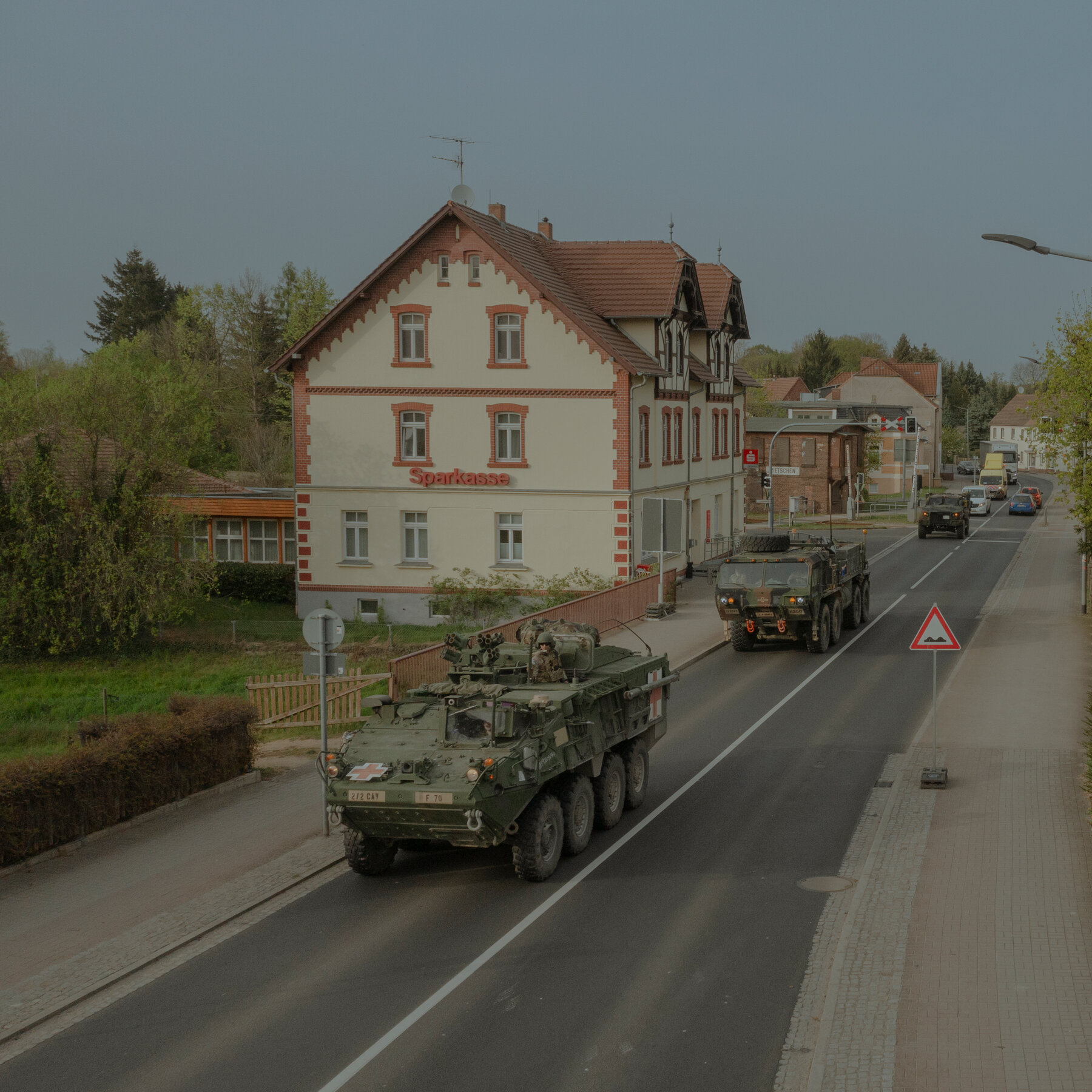
The urgency of this situation is reflected in the discussions among NATO allies, as Secretary General Jens Stoltenberg emphasizes the need for enhanced deterrence measures. NATO’s presence in Eastern Europe has been bolstered, but questions remain about the longevity and effectiveness of this strategy. Member countries are weighing their options, with some advocating for a more robust military presence in the region.
European nations are also facing economic implications due to the ongoing conflict. The war in Ukraine has disrupted energy supplies, leading to rising fuel prices across the continent. In response, EU leaders are discussing strategies to enhance energy security and reduce dependency on Russian oil and gas.
On the diplomatic front, European leaders are engaging with global partners to address the crisis. The EU has sought to strengthen ties with countries in the Indo-Pacific region, recognizing that the security challenges posed by Russia have broader implications for global stability.
The EU’s approach to the crisis is not just reactive but also proactive, as officials explore potential sanctions against Russia and other measures designed to deter further aggression. The balance between diplomacy and defense is a delicate one, and European leaders are acutely aware of the stakes involved.
As the situation evolves, the potential for further destabilization in Ukraine remains a pressing concern. European leaders are calling for unity and resilience, urging member states to prioritize collective security over national interests. The complexity of these geopolitical dynamics underscores the challenges Europe faces in an increasingly multipolar world.
In conclusion, the security challenges that Europe confronts extend far beyond the actions of one nation or leader. With significant decisions looming, the continent’s response will shape not only its future but also the broader international landscape. The coming months will be critical as Europe navigates its relationships with both the United States and Russia, striving for stability in a turbulent environment.