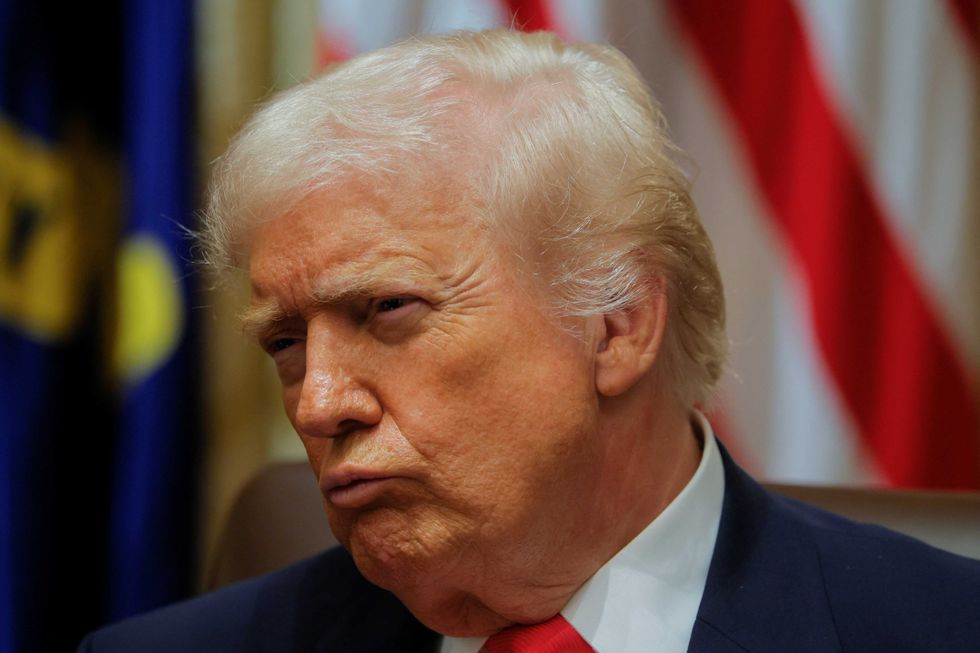
President Donald Trump indicated on Sunday that he possesses “other ways” of imposing tariffs on foreign countries, regardless of an impending decision from the Supreme Court. This ruling, expected in the coming week, will clarify the extent of Trump’s authority to unilaterally apply tariffs. The court’s decision is highly anticipated, given the significant impact tariffs have had on several of America’s largest trading partners, affecting a wide range of goods from appliances to lumber and electrical components.
In a post on Truth Social, Trump addressed the upcoming Supreme Court opinion. He suggested that the current judicial process for establishing tariffs is less efficient than alternative methods available to the United States. Trump stated, “While the United States has other methods of charging TARIFFS against foreign countries, many of whom have, for YEARS, TAKEN ADVANTAGE OF OUR NATION, the current method of Tariffing before the United States Supreme Court is far more DIRECT, LESS CUMBERSOME, and MUCH FASTER.” He emphasized that speed, power, and certainty are critical in achieving national security objectives.
As the Supreme Court prepares to deliver its opinion, the implications of Trump’s statements could have significant ramifications for U.S. trade policy. The court’s ruling will determine whether Trump possesses the authority to act independently in imposing tariffs or if such actions require legislative approval. This decision is crucial, especially considering the ongoing tensions with major trading partners, which have shaped the U.S. economic landscape.
Trump’s administration has already implemented a wide range of tariffs targeting various sectors, which has generated both support and criticism. Proponents argue that tariffs protect domestic industries and promote fair trade practices. However, critics warn that such measures could lead to retaliatory actions from other countries, potentially escalating trade wars and increasing costs for American consumers.
The outcome of the Supreme Court’s decision may also influence future trade negotiations. If Trump is granted broad authority to impose tariffs, it could embolden similar actions in the future. Conversely, a ruling limiting his powers might signal a shift in U.S. trade policy, requiring more collaboration with Congress.
As the nation awaits the Supreme Court’s ruling, the ongoing debate about tariffs and their implications for both the U.S. economy and international relations continues to be a focal point of discussion among policymakers and economists alike. The potential for alternative methods, as suggested by Trump, adds another layer to this complex issue, leaving many to ponder the long-term effects on trade and national security.