UPDATE: President Trump has unveiled a controversial new security strategy, demanding that Europe bolster its military capabilities to defend itself by the end of 2027. This urgent announcement, released yesterday, signals a significant shift in the trans-Atlantic alliance, as the United States steps back from its traditional role as Europe’s primary military protector.
The strategy document states, “The days of the United States propping up the entire world order like Atlas are over.” This proclamation comes in the wake of growing impatience from the Trump administration over Europe’s reliance on American military support. Earlier this year, the European Union set a target for defense readiness by 2030, but analysts warned this deadline might be too ambitious given existing military shortfalls.
The implications of this strategy are massive. Trump is pushing for Europe to take primary responsibility for its own security, with a goal of the continent taking control of NATO’s conventional defense capabilities—spanning intelligence, air defense, and missile systems—well before his term concludes in January 2029.
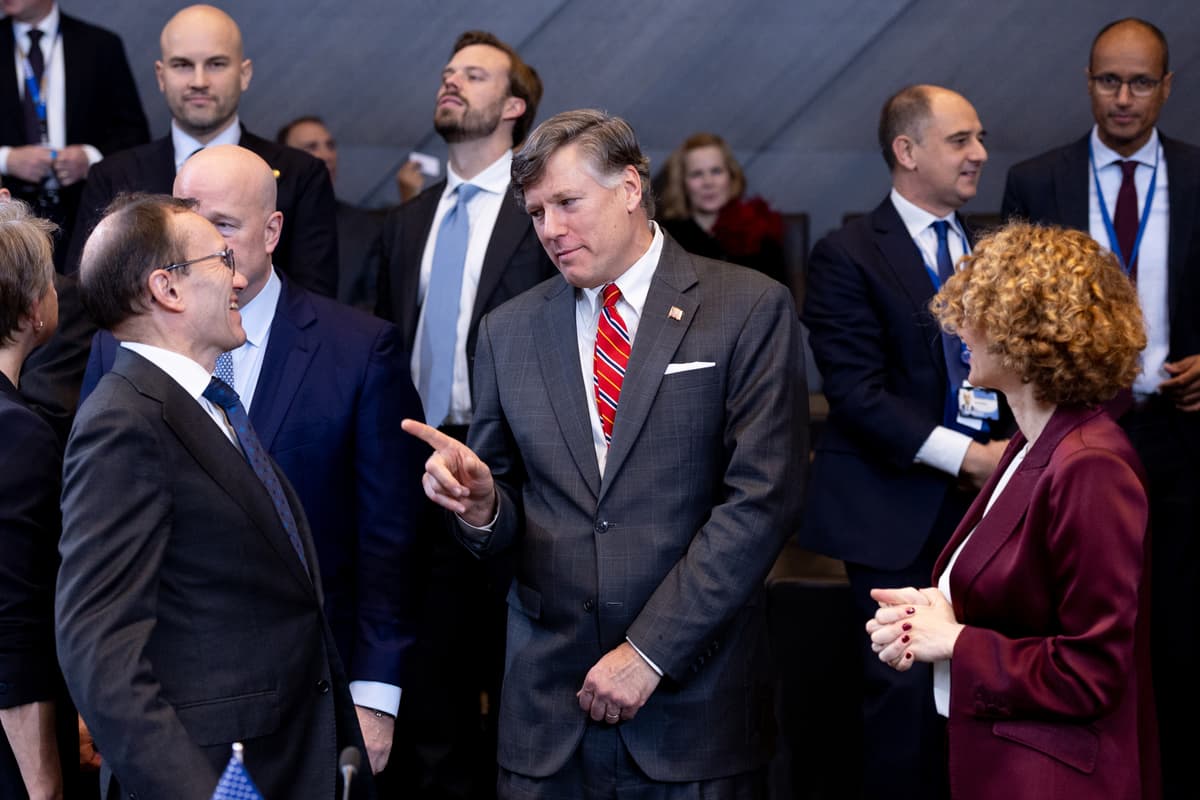
In a statement on social media platform X, Christopher Landau, the Deputy Secretary of State, emphasized, “Europe must take primary responsibility for its own security.” He noted that previous U.S. administrations have echoed this sentiment, but the current administration is committed to making it a reality.
This strategic pivot comes as NATO prepares to celebrate its 80th anniversary on April 4, 2029. The new approach represents a seismic shift in U.S.-European relations, setting the stage for a future where Europe must fund and maintain its military capabilities independently.
The 33-page strategy report also critiques European leaders for their handling of immigration, citing concerns over “civilizational erasure” due to declining birthrates and migration policies. The document warns, “Should present trends continue, the continent will be unrecognizable in 20 years or less.” This alarming assertion has sparked controversy, particularly among centrist politicians who believe it interferes with domestic issues.
The reactions from European leaders have been mixed. Former Swedish Prime Minister Carl Bildt described the document as “to the right of the extreme right in Europe,” while German Foreign Minister Johann Wadephul reaffirmed that the U.S. remains “our most important ally.” On the other hand, members from far-right parties have embraced the strategy, viewing it as a necessary wake-up call for Europe.
Critics in the U.S. are also voicing concerns. Representative Jason Crow labeled the strategy as “catastrophic to America’s standing in the world,” fearing that it signifies a retreat from established alliances.
On the pressing issue of Russia and the ongoing conflict in Ukraine, the strategy calls for a halt to NATO expansion and urges a swift resolution to the war. The document claims that public opinion in Europe is being stifled, leading to unrealistic expectations from leaders regarding peace negotiations.
As Trump’s special envoy, Steve Witkoff, engages in shuttle diplomacy this week between Moscow and Kyiv, analysts warn that Trump’s push for a quick peace deal may come at a high cost. London-based financial analyst Timothy Ash cautioned that such a resolution could destabilize Ukraine further and jeopardize European peace and security.
In this volatile climate, the situation remains fluid, with European nations grappling with the implications of Trump’s new strategy. As the world watches, it is clear that the landscape of international relations is on the brink of a radical transformation.
Stay tuned for further developments on this urgent matter, as the response from European leaders and NATO will be crucial in the coming days.