The family of a Colombian man has initiated a formal challenge against U.S. military actions, claiming his death during a strike was an extrajudicial killing. The petition, submitted to the Inter-American Commission on Human Rights on September 15, 2023, alleges that the U.S. military bombed Alejandro Carranza’s fishing boat off Colombia’s Caribbean coast, violating international human rights conventions.
Carranza’s family argues that he was not involved in drug trafficking, contradicting U.S. assertions that the vessel was carrying illicit substances. According to attorney Daniel Kovalik, Carranza was the primary breadwinner for his family, which includes his four children and spouse. The family seeks compensation for their loss, navigating what they perceive to be a lack of accountability from the U.S. government.
Kovalik explained the decision to approach the Inter-American Commission, stating that pursuing a federal case within the U.S. would present significant challenges. He emphasized, “The U.S. does not subject itself to accountability, so we’re using the avenues we have before us.” The attorney expressed hope that a favorable decision, combined with public pressure, could lead to compensation and potentially curb similar military actions in the region.
Details Surrounding the Strikes
The U.S. military’s operations targeting alleged drug-carrying boats commenced in early September and have reportedly resulted in the deaths of over 80 individuals. The strikes began near the Caribbean coast of Venezuela before extending to the eastern Pacific Ocean. The U.S. has increased its military presence in the region, a move interpreted by many as an effort to pressure Venezuelan President Nicolás Maduro to resign.
Despite the claims of targeting drug traffickers, the Trump administration has not disclosed specific details about those killed in the strikes. President Donald Trump previously stated that evidence of drug cargo was visible, claiming that “big bags of cocaine and fentanyl” were scattered in the ocean, although no photographic evidence has been released to support this assertion.
Kovalik maintains that Carranza’s boat was not engaged in drug trafficking and remains uncertain about the presence of others on board at the time of the strike. In a broader context, the attacks have faced increasing scrutiny following reports that U.S. Secretary of Defense Pete Hegseth issued orders that may have led to indiscriminate violence.
Threats and Challenges Faced by the Family
The family’s petition cites various media reports, including articles from The New York Times and The Washington Post, as part of its evidence. It also highlights the threats they have received since Carranza’s death, indicating a hostile environment for those seeking justice. The petition states, “The victims do not have adequate and effective resources in Colombia to obtain reparations … moreover, even if such resources existed, the victims could not exercise them safely, given that they have been threatened by right-wing paramilitaries simply for denouncing Mr. Carranza’s murder.”
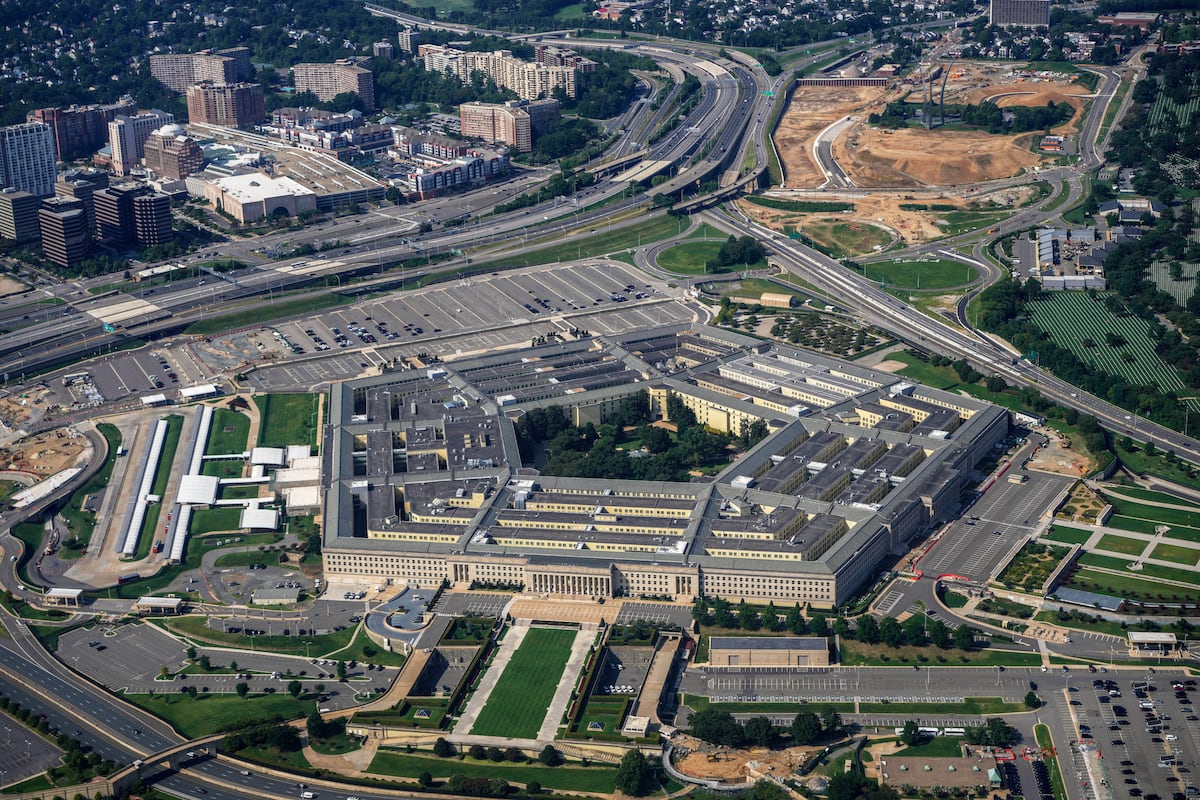
The Pentagon did not respond to requests for comment regarding the family’s complaint. The military’s operations have drawn attention not only for their impact on civilians but also for the broader implications of U.S. foreign policy in the region.
In a recent statement, Trump indicated that the U.S. may soon escalate its military actions on land, hinting at potential operations in countries beyond Venezuela, including Colombia. He stated, “We know everything about them. We know where they live. We know where the bad ones live. And we’re going to start that very soon, too.”
As the Carranza family seeks justice, the situation underscores the complexities of military engagement and its impact on civilian lives in conflict zones.