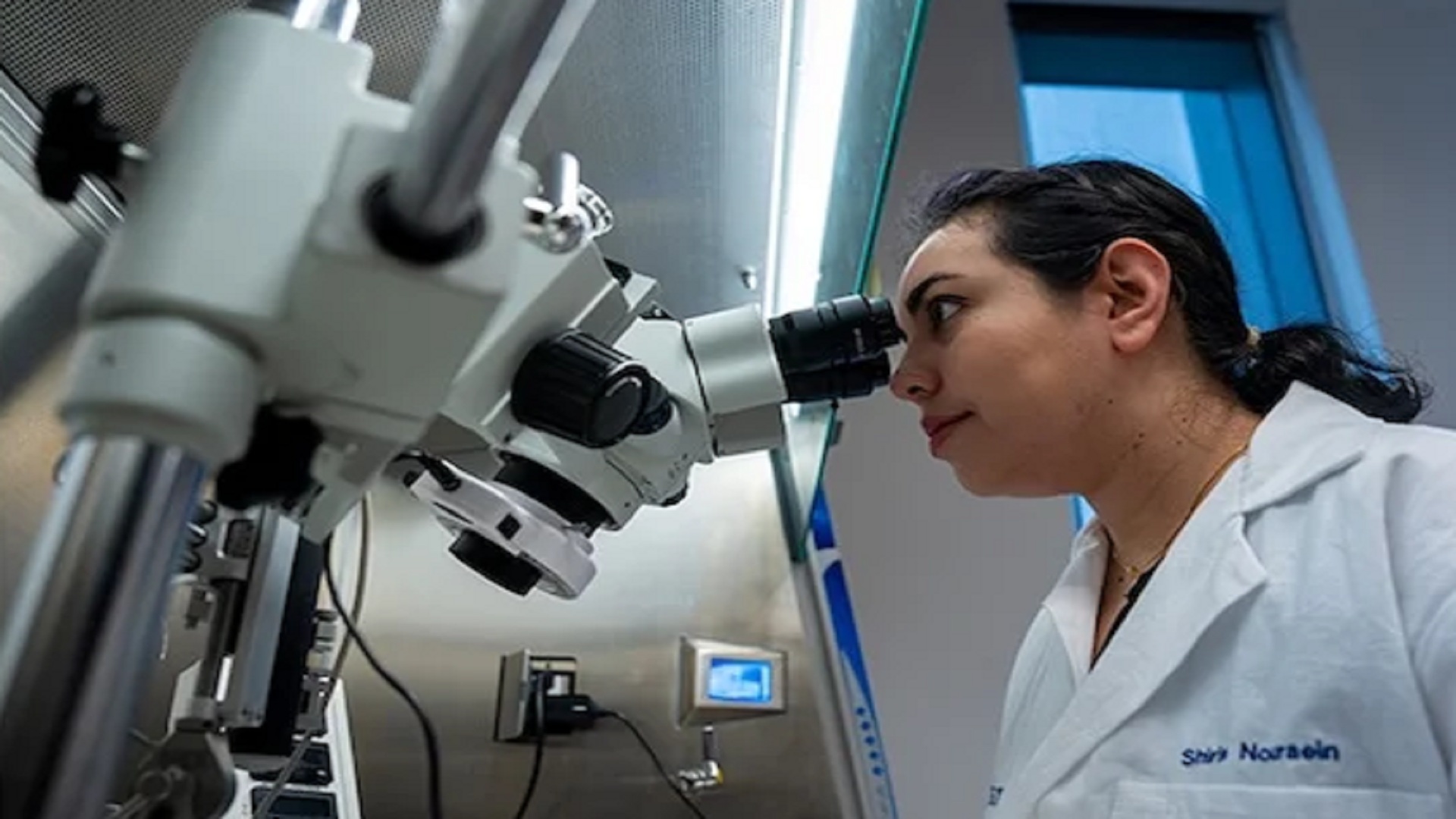
Engineers at Rice University have developed a groundbreaking set of erasable serum markers that offer a new approach to tracking brain gene activity. This innovation promises to enhance the precision of monitoring subtle changes in gene expression associated with various neurological conditions.
The research, led by Dr. Jeffrey T. Chang, aims to improve understanding of brain function by providing a dynamic method for observing gene activity over time. Traditional methods often require extensive sample preparation and can lack the sensitivity needed to detect rapid fluctuations in gene expression. The new serum markers, however, allow for real-time tracking, making it easier to observe changes as they occur.
Advancements in Gene Monitoring
The erasable serum markers are designed to bind to specific gene transcripts in the bloodstream, providing a direct indication of gene activity in the brain. This technique utilizes a unique chemical composition that allows researchers to erase and reapply the markers, enabling continuous monitoring of gene expression without the need for invasive procedures.
This method could be particularly valuable in clinical settings, where understanding the timing and nature of gene expression changes can inform treatment strategies for neurological disorders. By providing a more nuanced view of gene activity, the markers could help researchers identify potential therapeutic targets and assess the effectiveness of interventions more rapidly.
The team at Rice University conducted a series of experiments demonstrating the markers’ effectiveness in tracking gene expression. Results showed that the markers could accurately reflect changes in gene activity within hours, a significant improvement over existing methods that often take days to provide results.
Potential Impacts on Neurological Research
The implications of this research extend beyond basic science. As the understanding of brain gene activity improves, there is potential for developing more personalized approaches to treating conditions such as Alzheimer’s disease, Parkinson’s disease, and other neurodegenerative disorders.
In addition to its applications in medicine, the technology could also be adapted to study other biological processes, opening doors for advancements in fields such as cancer research and metabolic disorders.
Rice University’s innovative approach exemplifies a significant leap in neuroscience research, with the potential to change how scientists study and treat brain disorders. As the technology matures, it may lead to more effective strategies for managing complex neurological conditions, ultimately benefiting patients worldwide.
The team plans to continue refining the serum markers and exploring their applications in various research contexts. With further developments, these tools could revolutionize the field of neuroscience by providing deeper insights into the intricate workings of the brain.